Body & Wellness
Organic Personal Care
The FDA does not define or regulate the word "organic" on soap, deodorant, toothpaste or lip balm. A claim only means something when a certifier stands behind it: USDA Organic or NSF/ANSI 305 for the formula, GOTS or the Organic Content Standard for the cotton in tampons and pads, and EWG Verified or MADE SAFE for ingredient screening.
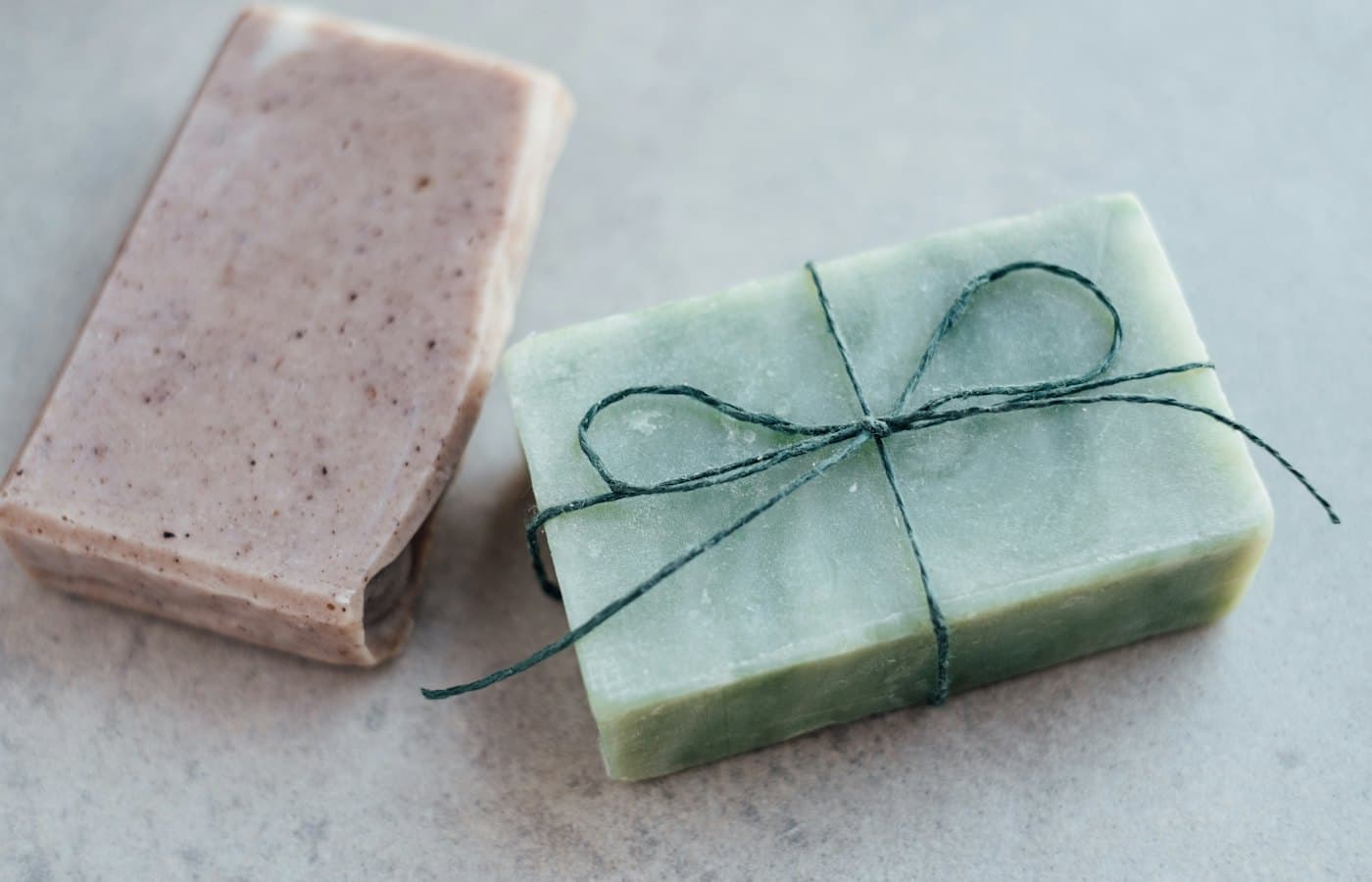
This department covers the things you use on your body every day: soap and body wash, deodorant, toothpaste, tampons and pads, shaving products and lip balm. The FDA says plainly that "organic" is not defined in the laws or regulations it enforces for cosmetics. The USDA does regulate the word for agricultural products, so a balm or a bar of soap made from farm ingredients can be certified under the same rules as food. Where a product can carry the USDA Organic seal, as organic lip balm often can, that is what we look for.
Many products cannot. A body wash is mostly water and surfactants, so the more realistic certification is NSF/ANSI 305, which covers the claim "contains organic ingredients". Tampons and pads are not cosmetics at all. The FDA regulates them as medical devices, and the organic claim belongs to the cotton, which is why the period care page asks for GOTS or the Organic Content Standard.
Some categories cross into drug territory. An antiperspirant is an over-the-counter drug, and so is a toothpaste with fluoride, which is why the pages on deodorant and natural toothpaste spend time on what the FDA and the American Dental Association say. Organic certification describes how ingredients were grown and processed. The FDA notes that an ingredient's source does not determine its safety, and nothing on these pages is medical or dental advice.
Categories
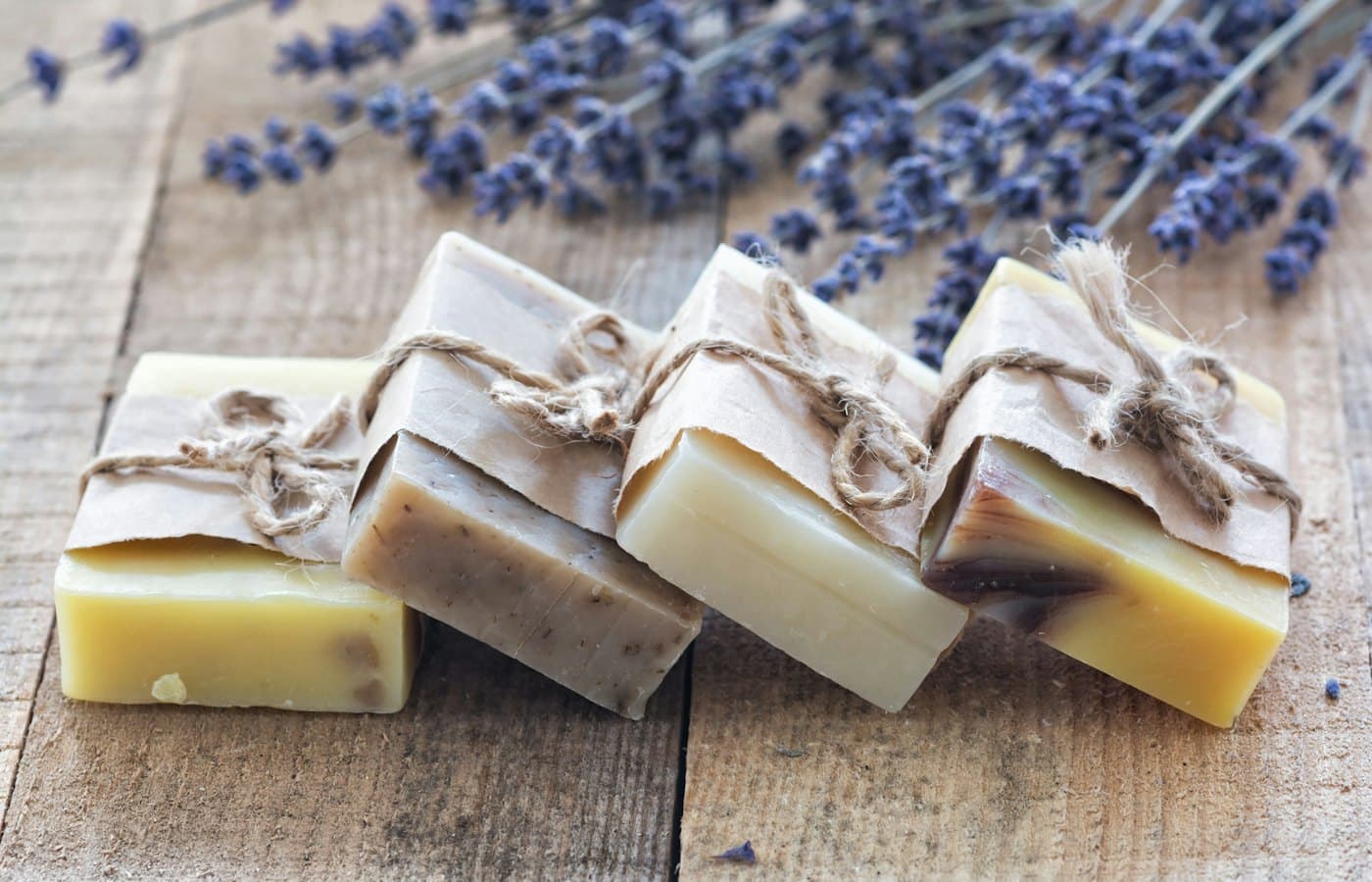 4 picksOrganic Soap & Body WashBar soap, castile soap and body wash with a named organic certifier or an ingredient-screening seal.
 3 picksOrganic DeodorantDeodorants with a named certification, plus what separates a deodorant from an antiperspirant.
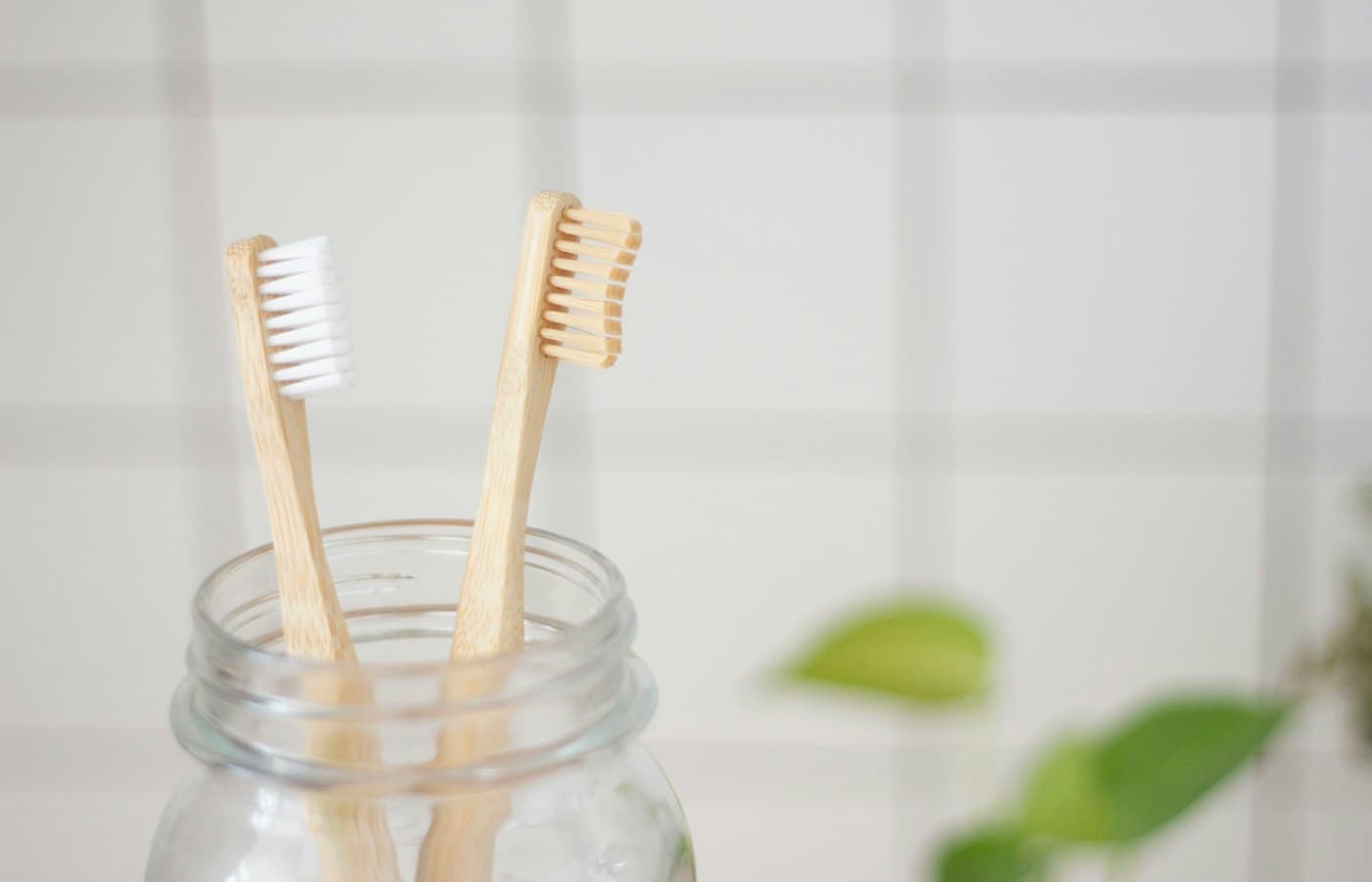 3 picksNatural Toothpaste & Oral CareCertified toothpastes with fluoride status stated for each, plus what the ADA says about fluoride.
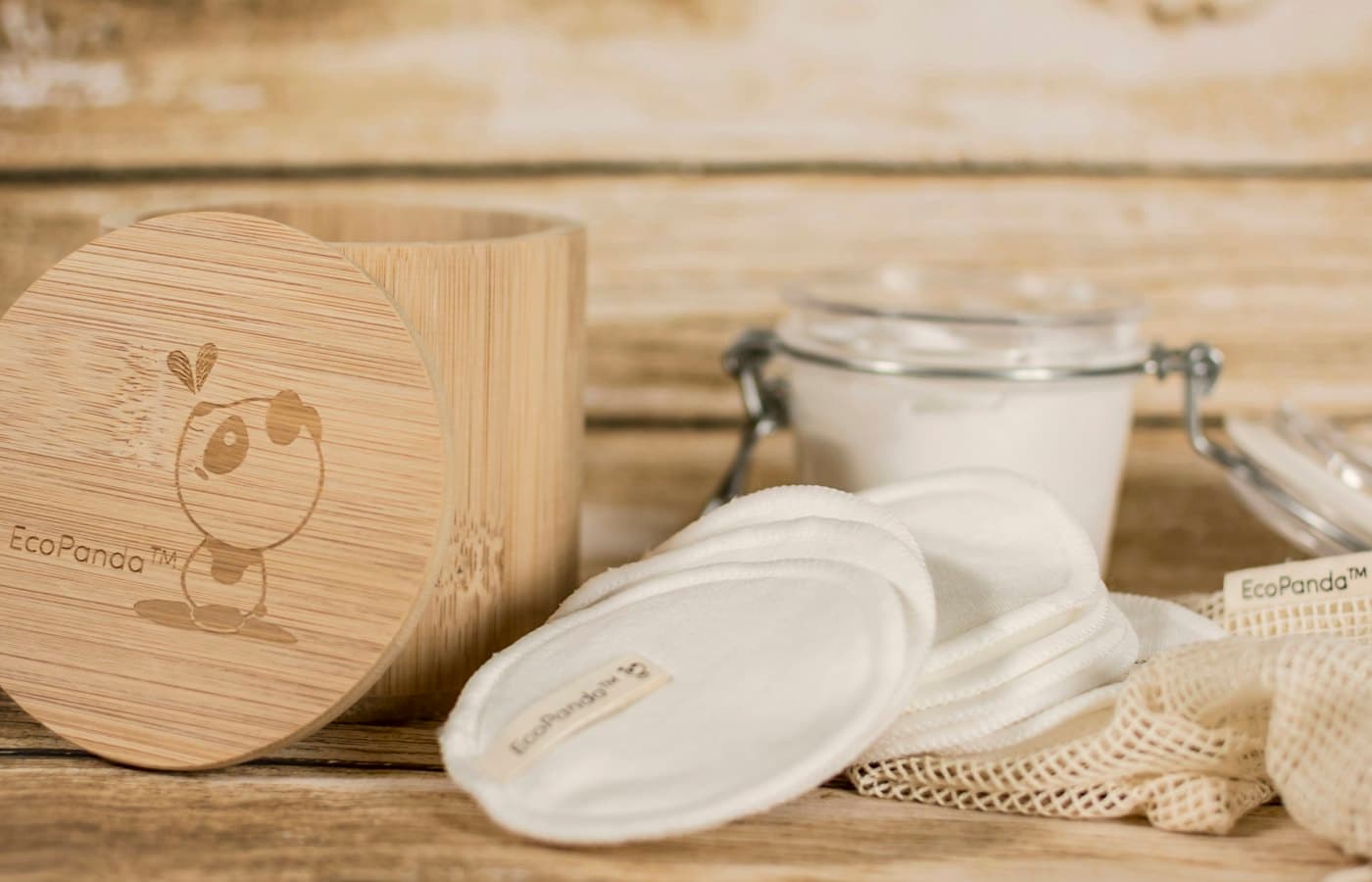 3 picksOrganic Tampons, Pads & Period CareTampons with GOTS or Organic Content Standard cotton, plus the FDA's safe-use rules for every tampon.
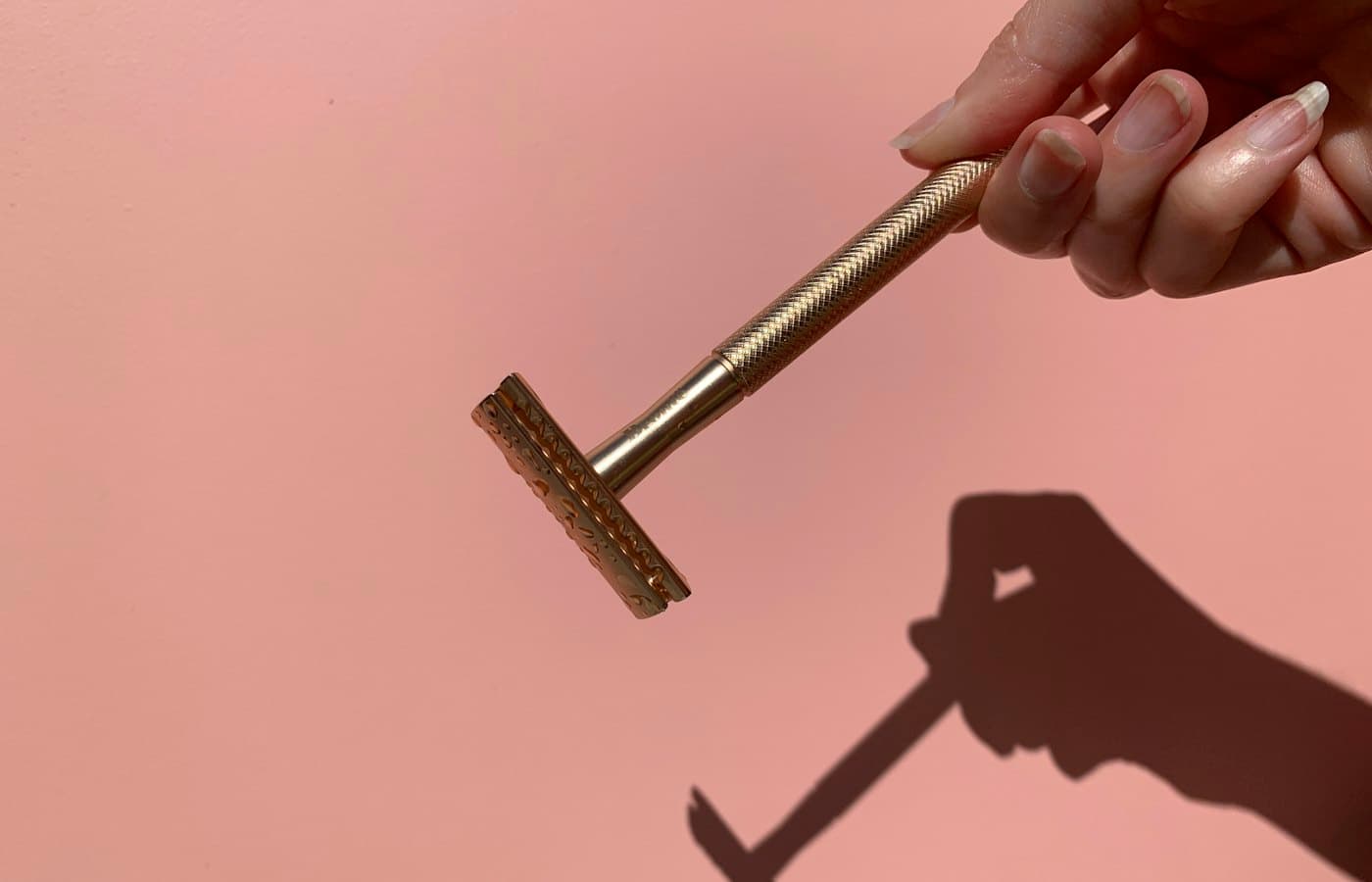 3 picksOrganic Shaving CareShaving soaps and creams with a named organic certifier or an ingredient-screening seal.
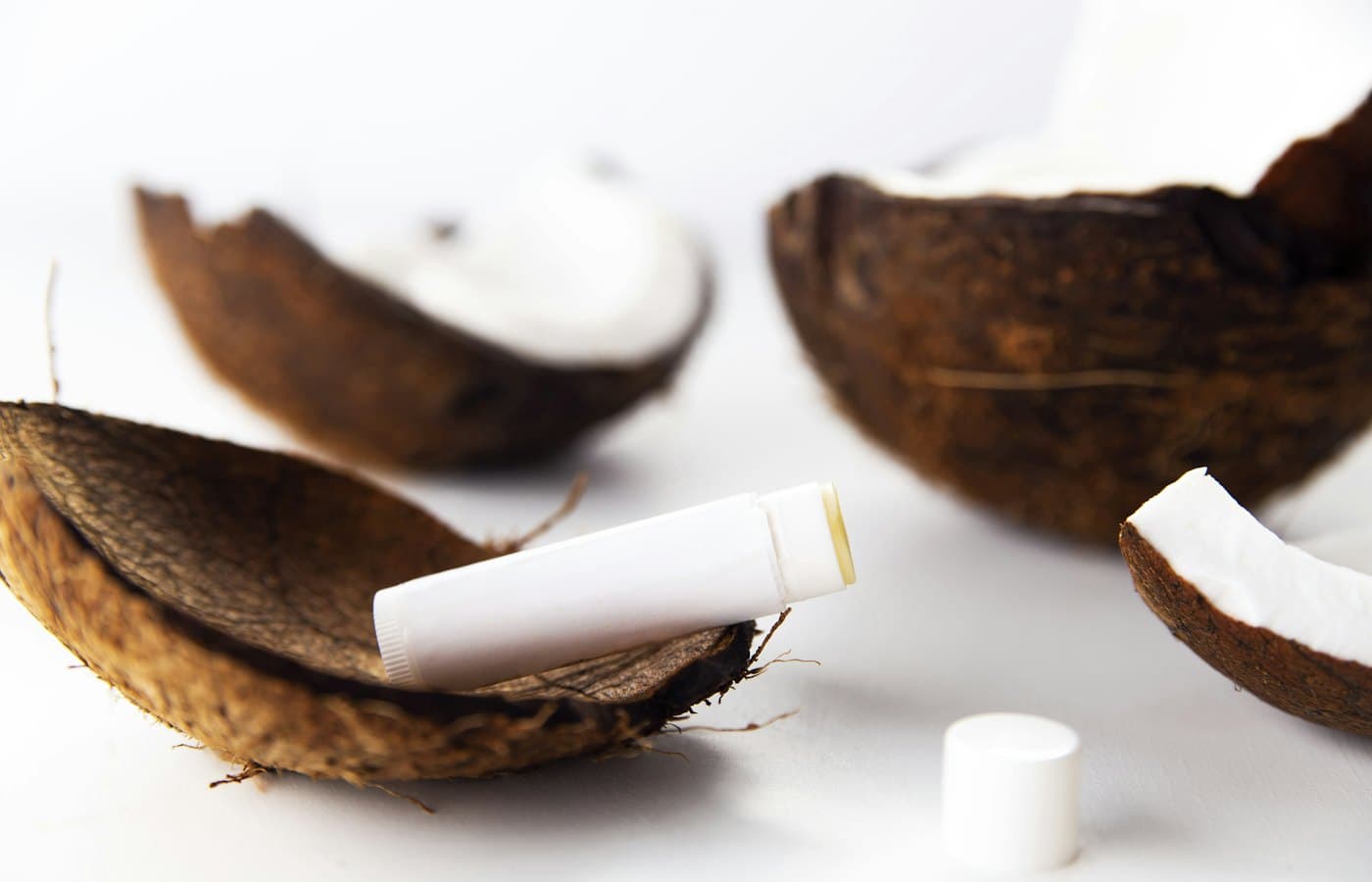 4 picksOrganic Lip BalmLip balms that state USDA Organic certification on the brand's own page, and how to read the tube.
Related guides

Questions people ask
Does the FDA regulate the word organic on personal care products?
No. The FDA says the term is not defined in the Federal Food, Drug, and Cosmetic Act, the Fair Packaging and Labeling Act, or the regulations it enforces under them. The USDA's National Organic Program regulates the word for agricultural products. A cosmetic that makes an organic claim has to meet the USDA rules for the claim and the FDA rules for cosmetic labeling and safety.
Can soap, deodorant or lip balm carry the USDA Organic seal?
Yes, if it is made of agricultural ingredients and meets the National Organic Program standards. The USDA says the farms, the ingredient handlers and the manufacturer of the final product must all be certified by a USDA-accredited certifier. Certified products fall into the same four labeling categories as food. Only the top two categories may show the seal.
Is an organic personal care product safer than a conventional one?
Not automatically. The FDA states that an ingredient's source does not determine its safety, and that many plants, organically grown or not, contain substances that can be toxic or allergenic. Organic certification tells you how the ingredients were farmed and processed. If you have sensitive skin or allergies, read the full ingredient list whatever seal is on the front.
Why are tampons and pads treated differently from cosmetics?
Because the FDA regulates them as medical devices. Tampon makers must show the FDA that a product is substantially equivalent to tampons already legally sold, and pad makers must register and list their products. No organic seal changes those rules or the safe-use advice. The organic claim on period care describes the cotton, and it is checked by textile certifiers such as GOTS.
Sources
Each page was opened and read on October 11, 2026.