Personal Care
Natural Toothpaste & Oral Care
"Natural" has no legal definition on toothpaste, and the FDA does not define "organic" for it. What you can check is a certification (USDA Organic or EWG Verified) and whether the tube contains fluoride. The American Dental Association recommends brushing twice a day with a fluoride toothpaste, and we state fluoride status for every pick.
What organic means here
This page lists toothpastes whose own pages state a certification: USDA Organic, EWG Verified, or a company-level mark, which we label as such. Each pick says whether it contains fluoride, taken from the brand's page. Fluoride-free is a preference some shoppers have, not a health advantage. The American Dental Association ties its cavity protection Seal to fluoride.
Look for
- "Contains fluoride" or "fluoride free" stated plainly on the tube and the product page
- On fluoride toothpaste, the fluoride compound named as the active ingredient
- The ADA Seal of Acceptance, if cavity protection backed by the ADA matters to you
- A named certifier for any organic claim, and a full ingredient list
Be wary of
- "Natural" used as if it were a certification: it is not defined for toothpaste
- Claims that fluoride-free toothpaste is healthier, or that any toothpaste treats disease
- Cavity protection claims on a toothpaste with no fluoride
- Sweet flavors that make a child want to swallow: use the amounts the ADA recommends
Products that carry the certification
We have not tested these products. Each one was checked against the brand’s own page and the certifier’s records. Product links may be affiliate links: if you buy through one we may earn a commission, at no extra cost to you. How we choose.
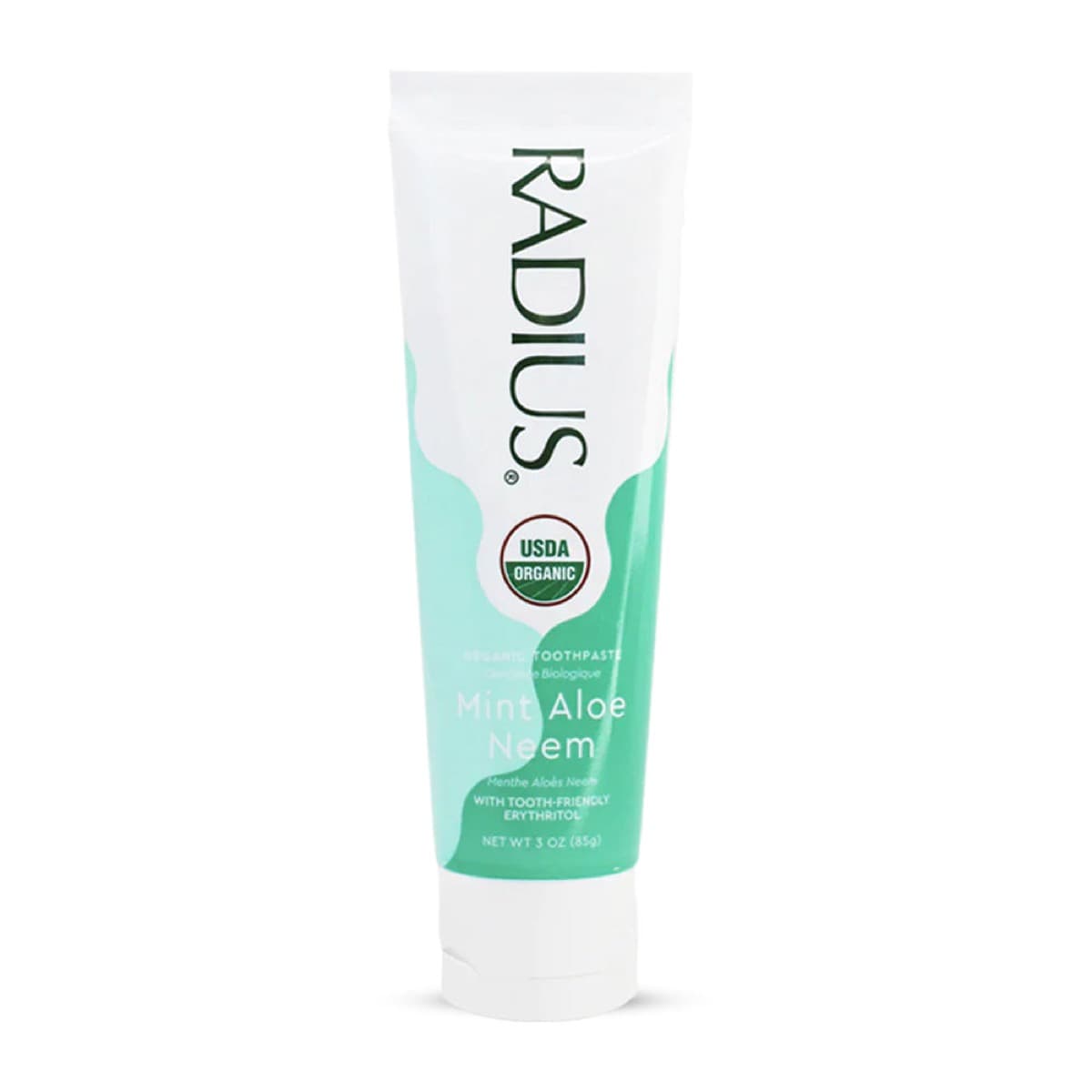
Photo: RADIUS 1RADIUSFluoride-free, USDA OrganicUSDA Organic Mint Aloe Neem Toothpaste
Fluoride: none. The brand's page describes this as a USDA certified organic toothpaste made with organic erythritol, coconut water and chamomile flower, and states it contains no fluoride, saccharin, SLS, carrageenan or parabens. It is sold in a travel-sized tube.
Good to know: Contains no fluoride, so it does not offer the cavity protection the ADA attributes to fluoride toothpaste. The organic certification covers the ingredients and says nothing about how well it cleans.
Checked against: madebyradius.com
View at RADIUSmadebyradius.com
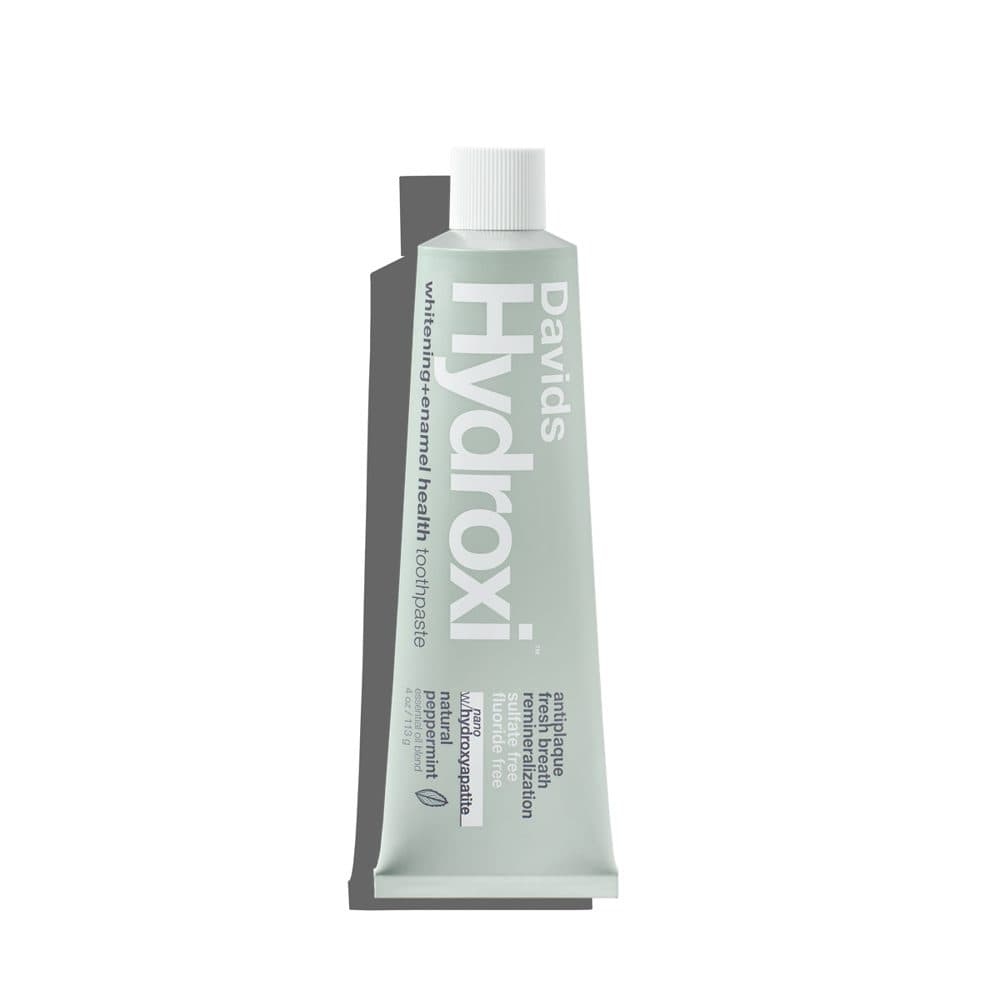
Photo: Davids 2DavidsFluoride-free, metal tubeHydroxi Whitening + Enamel Health Toothpaste, Peppermint
- EWG Verified
- Leaping Bunny
Fluoride: none. The product page states it is a fluoride free formula with nano hydroxyapatite, EWG Verified, Leaping Bunny certified and vegan, with no SLS or artificial colors, flavors or preservatives. It comes in a recyclable metal tube with an FSC-certified carton.
Good to know: Contains no fluoride and carries no organic certification. The ingredient list includes carrageenan, xylitol and baking soda. EWG Verified screens ingredients and is not a test of cavity prevention.
Checked against: davids-usa.com
View at Davidsdavids-usa.com
- 3Tom's of MaineContains fluoride, vegan
Whole Care Peppermint Natural Toothpaste with Fluoride
- Certified B Corporation
Fluoride: yes. The product page tags it "Contains Fluoride", anticavity and vegan, and the brand says its fluoride toothpastes use sodium fluoride or sodium monofluorophosphate. The company states it is a Certified B Corporation. Listed here for shoppers who want a natural-positioned toothpaste that keeps fluoride.
Good to know: No organic or ingredient-screening certification. B Corp is a company-level mark, not a product certification. The brand's certification page lists which of its products hold the ADA Seal, so check the carton.
Checked against: tomsofmaine.com · tomsofmaine.com
View at brand sitetomsofmaine.com
Products with a photo are shown first; otherwise the order says nothing about quality. Certifications can lapse: check the certifier’s database before you buy.
What the ADA says about fluoride
The American Dental Association's general recommendation for home care is to brush your teeth twice a day with a fluoride toothpaste for two minutes. Its toothpaste page explains why: fluoride strengthens tooth enamel to help prevent decay and remineralizes enamel in the early stages of decay.
The ADA also states that every toothpaste carrying the ADA Seal of Acceptance with a cavity protection claim must contain fluoride. According to that page, sodium fluoride, sodium monofluorophosphate and stannous fluoride are the only cavity-preventing compounds named in the FDA's rules for these products.
So a fluoride-free toothpaste can clean, polish and freshen, and it cannot earn the ADA Seal for cavity protection. We do not claim that going without fluoride is better for you. If you are considering it, your dentist knows your cavity risk and we do not.
Toothpaste can be a cosmetic, a drug, or both
The FDA gives toothpaste as an example of a product that crosses categories. A paste sold to clean teeth and freshen breath is a cosmetic. Fluoride has a well-known therapeutic use, so a toothpaste that contains it is also a drug, and it must meet the requirements for both.
That matters when you read the tube. A fluoride toothpaste names its active ingredient. A fluoride-free paste is a cosmetic, and the FDA does not approve cosmetics before they are sold.
| Pick | Fluoride | Certification on the brand's page |
|---|---|---|
| RADIUS USDA Organic Mint Aloe Neem | No | USDA Organic |
| Davids Hydroxi, Peppermint | No | EWG Verified, Leaping Bunny |
| Tom's of Maine Whole Care Peppermint | Yes | Certified B Corporation (company) |
What organic and natural mean on a tube
Every toothpaste needs an abrasive to remove surface stains. The ADA lists calcium carbonate and silica among common abrasives, and those are minerals, not crops. That is why few toothpastes carry the USDA Organic seal, and why the ones that do are built around plant ingredients.
"Natural" is not a certification. EWG Verified is an ingredient screen run by an outside group. Our guide to organic versus natural versus non-GMO sorts out which words carry rules.
Children and toothpaste amounts
Questions people ask
Does natural toothpaste have fluoride?
Some do and some do not, and the word natural tells you nothing either way. Read the tube: a fluoride toothpaste names a fluoride compound as its active ingredient, and a fluoride-free one usually says so on the front. On this page, the RADIUS and Davids picks contain no fluoride and the Tom's of Maine pick does, according to each brand's own page.
Is fluoride-free toothpaste healthier?
We have found no basis to say so, and we do not. The American Dental Association recommends brushing twice a day with a fluoride toothpaste, and says fluoride helps prevent tooth decay by strengthening enamel. Some people prefer fluoride-free products for their own reasons. If you are one of them, talk with your dentist about your cavity risk first.
Can a toothpaste be USDA Organic?
Yes, though few are. The USDA says personal care products made of agricultural ingredients can be certified under the National Organic Program if they meet its standards. Most toothpastes rely on mineral abrasives, which are not farm products. A toothpaste that is certified names the claim on the pack, and you can ask which certifier audited it.
What does the ADA Seal of Acceptance mean on toothpaste?
It means the American Dental Association reviewed the product. The ADA states that all toothpastes with the Seal and a cavity protection claim must contain fluoride, and that flavoring agents that cause or contribute to tooth decay, such as sugar, may not be in a Seal toothpaste. A fluoride-free toothpaste cannot carry the Seal for cavity protection.
How much toothpaste should a young child use?
The American Dental Association recommends a smear the size of a grain of rice from the time the first tooth comes in until age 3, and a pea-sized amount from age 3 to 6. The ADA says those amounts help limit the fluoride a child swallows. Your child's dentist can tell you what is right for your family.
Sources
Each page was opened and read on October 11, 2026.
Keep reading
 Personal CareOrganic Lip BalmLip balms that state USDA Organic certification on the brand's own page, and how to read the tube.
 Personal CareOrganic Soap & Body WashBar soap, castile soap and body wash with a named organic certifier or an ingredient-screening seal.
 SupplementsOrganic Kids VitaminsUSDA Organic kids multivitamins, plus the AAP's view that most healthy children do not need one.