Personal Care
Organic Soap & Body Wash
The FDA does not define "organic" for soap or body wash, so the word only counts when a certifier is named. Look for USDA organic certification on true soaps made from plant oils, NSF/ANSI 305 on body washes that "contain organic ingredients", and EWG Verified where the formula has been screened ingredient by ingredient.
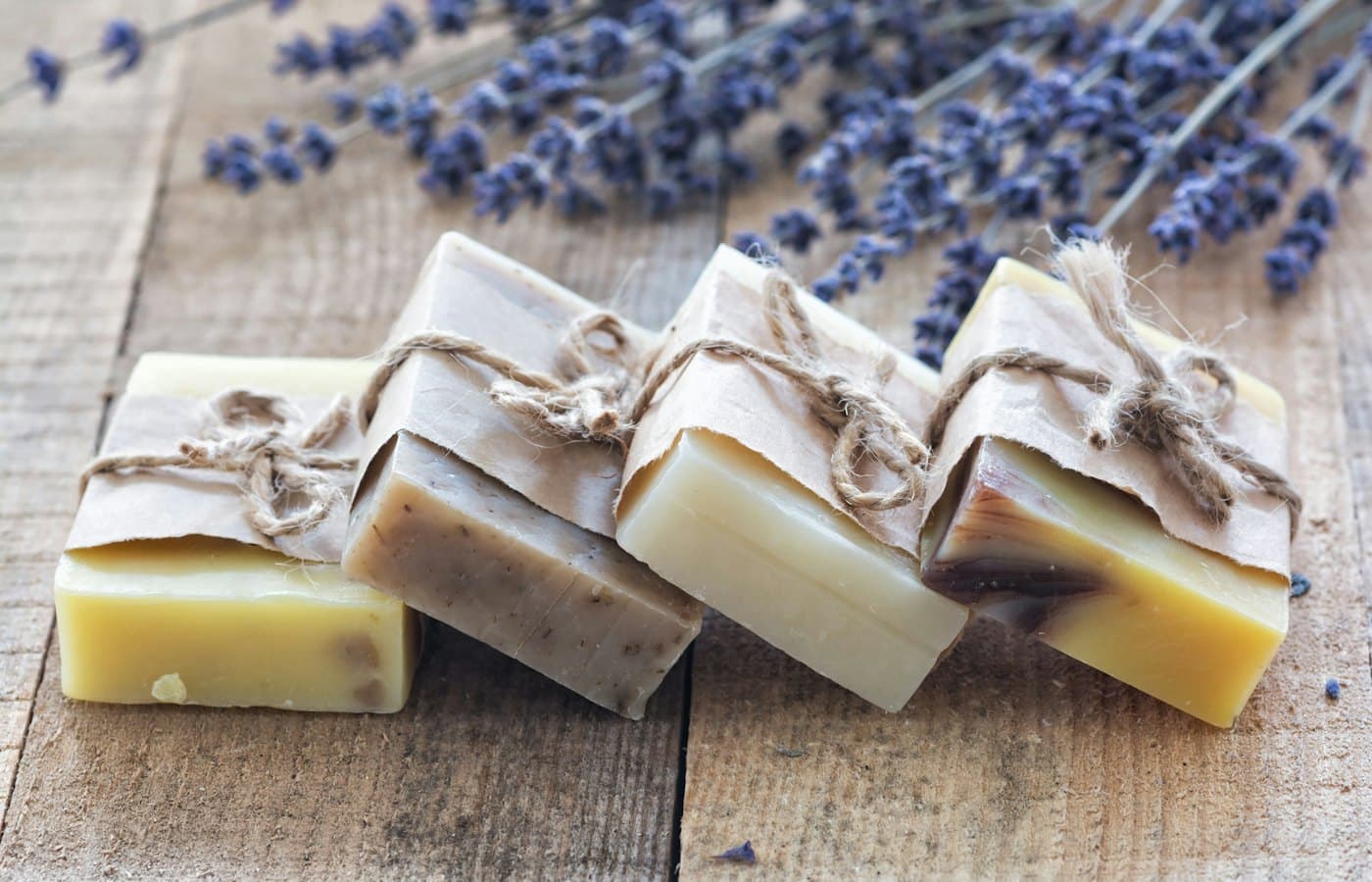
What organic means here
This page lists soaps and washes whose own product pages name a certification: USDA National Organic Program certification (including the "made with organic" tier, which cannot show the seal), NSF/ANSI 305, or EWG Verified. Organic certification covers how the oils and botanicals were grown and processed. It does not mean a product suits sensitive or allergy-prone skin.
Look for
- The line "Certified organic by" followed by a certifier's name, such as Oregon Tilth, OEFFA or QAI
- The tier: "organic" with the USDA seal, "made with organic" oils, or "contains organic ingredients" under NSF/ANSI 305
- A full ingredient list, with the organic ingredients marked by an asterisk
- Whether it is a true soap (saponified oils) or a detergent-based wash, which the FDA treats as a cosmetic
Be wary of
- "Organic" in a brand or product name with no certifier named anywhere on the package
- "Made with organic aloe" on a wash where one ingredient is organic and the rest is not described
- "Antibacterial" or germ-killing claims: the FDA treats a soap making them as a drug
- "Fragrance" or "parfum" listed as a single ingredient if you react to scented products
Products that carry the certification
We have not tested these products. Each one was checked against the brand’s own page and the certifier’s records. Product links may be affiliate links: if you buy through one we may earn a commission, at no extra cost to you. How we choose.
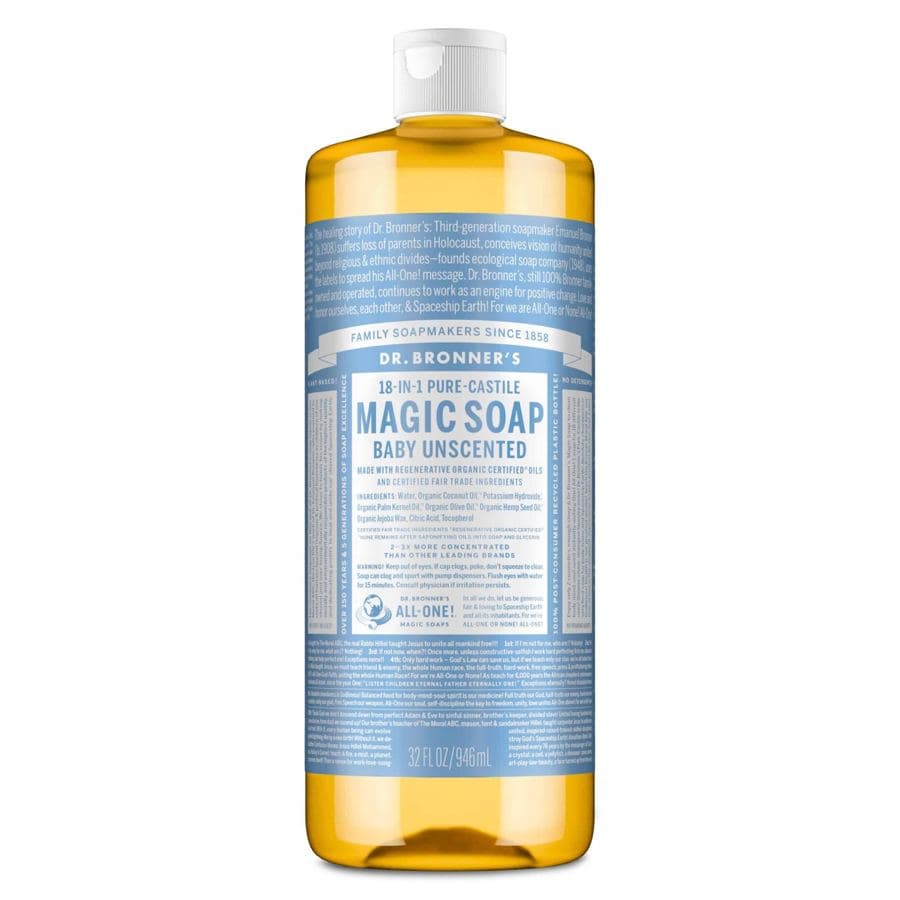
Photo: Dr. Bronner's press kit 1Dr. Bronner'sNo added fragrance, liquid castileUnscented Pure-Castile Magic Soap
A liquid true soap made from saponified organic coconut, palm, olive and hemp seed oils with no added fragrance. The product page states it is EWG Verified, made with organic oils, and that the coconut, palm, olive and hemp oils are Regenerative Organic Certified. It contains no synthetic detergents or dyes.
Good to know: The page says "made with organic oils" and does not show the USDA Organic seal for this soap. The Regenerative Organic Certified claim applies to the oils. The brand publishes dilution directions for different uses.
Checked against: drbronner.com
View at brand sitedrbronner.com
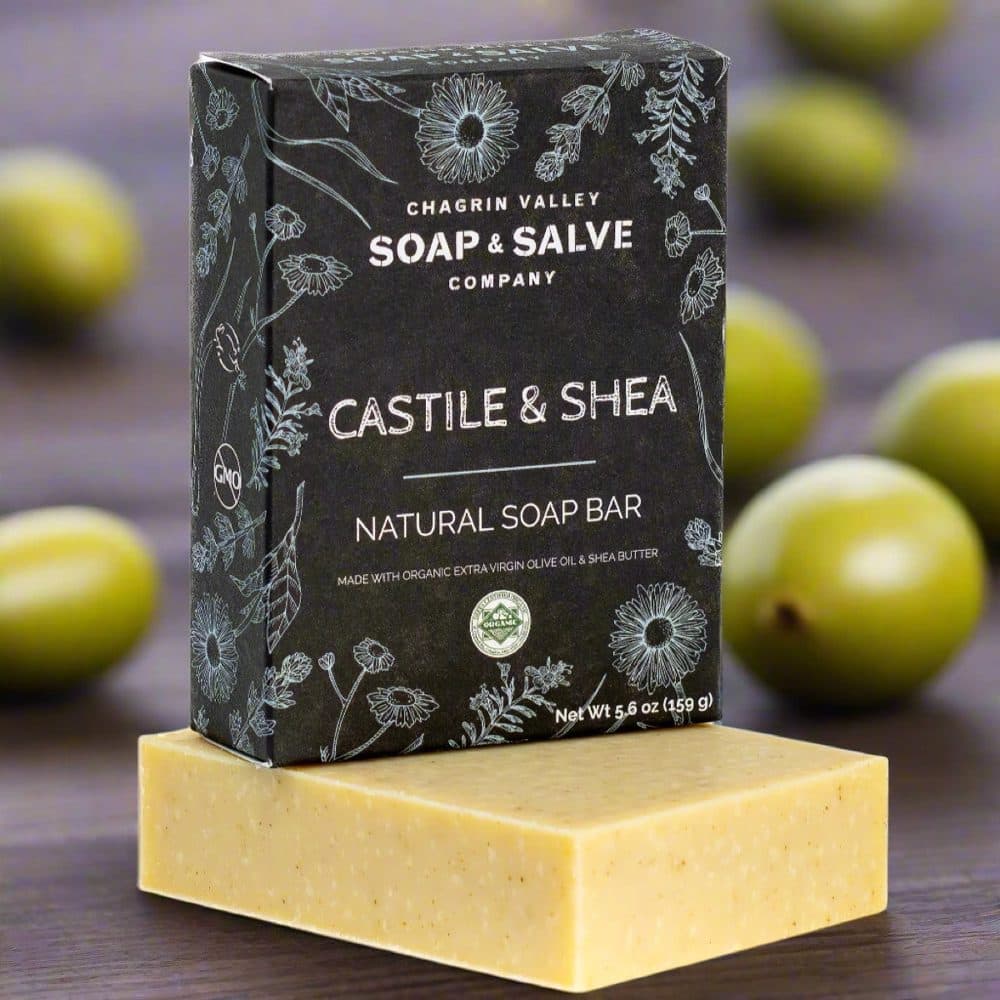
Photo: Chagrin Valley Soap & Salve 2Chagrin Valley Soap & SalveUnscented bar soapNatural Soap: Castile & Shea
An unscented bar made with organic extra virgin olive oil, shea butter and goat milk. The product page states it is certified "Made with Organic Ingredients" by OEFFA, a USDA-accredited certifier, which requires that at least 70 percent of the ingredients are certified organic.
Good to know: Certified in the "made with organic" tier under the USDA rules, so the bar cannot carry the USDA Organic seal. Contains goat milk, so it is not vegan.
Checked against: chagrinvalleysoapandsalve.com
View at brand sitechagrinvalleysoapandsalve.com
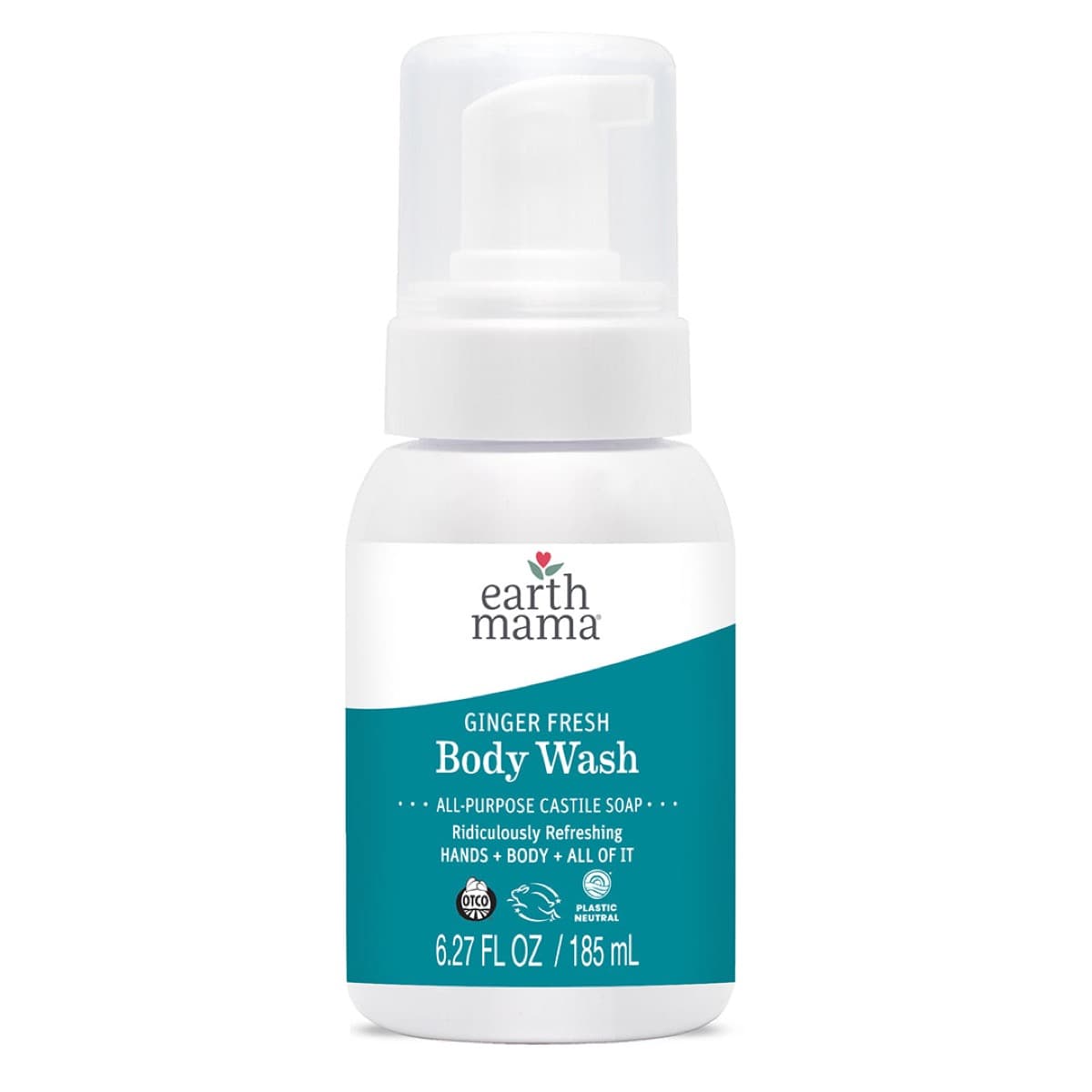
Photo: Earth Mama 3Earth MamaCastile wash scented with essential oilsGinger Fresh Castile Body Wash
- Leaping Bunny
A castile hand and body wash scented with organic ginger, lime and grapefruit essential oils instead of synthetic fragrance. The product page lists its certifications as made with organic herbs and oils, certified by Oregon Tilth, and Leaping Bunny Certified.
Good to know: "Made with organic" is a lower tier than the USDA Organic seal, and the page does not show the seal. Leaping Bunny covers animal testing only. The brand notes castile soap is not a no-tear formula.
Checked against: earthmamaorganics.com
View at Earth Mamaearthmamaorganics.com
- 4Avalon OrganicsNSF/ANSI 305 certified shower gel
Revitalizing Lavender Bath & Shower Gel
A plant-based shower gel with organic aloe juice listed first and lavender essential oil for scent. The product page states it is certified by QAI to NSF/ANSI 305, the American National Standard for personal care products containing organic ingredients, and formulated without synthetic colors or fragrances.
Good to know: NSF/ANSI 305 is not the USDA Organic seal. The gel is scented with essential oils and is preserved with sodium benzoate, which the page discloses. The brand's site sends you to retailers to buy.
Checked against: avalonorganics.com
View at brand siteavalonorganics.com
Products with a photo are shown first; otherwise the order says nothing about quality. Certifications can lapse: check the certifier’s database before you buy.
What counts as soap, according to the FDA
The FDA uses a narrow definition. A product is a true soap only if it is made mainly of the alkali salts of fatty acids (what you get when oils meet lye), if those salts are the only thing doing the cleaning, and if it is labeled and sold only as soap. A product that meets all three is regulated by the Consumer Product Safety Commission, not the FDA.
Most body washes do not meet that test. If a cleanser relies on synthetic detergents, or is sold to moisturize or make you smell nice, the FDA treats it as a cosmetic. If it claims to kill germs or treat a skin condition, it is a drug. None of this changes with an organic claim.
What an organic certification covers on a bar or bottle
The USDA says that a body care product made of agricultural ingredients can be certified under the National Organic Program, and that it then falls into the same four labeling categories as food. The category depends on the share of organic ingredients, not counting water and salt. Our guide on how to read a USDA organic label covers each one.
| Claim on the label | Organic content required | USDA seal allowed |
|---|---|---|
| 100 percent organic | All ingredients | Yes |
| Organic | At least 95 percent | Yes |
| Made with organic (ingredients) | At least 70 percent | No |
| Organic ingredients named only in the ingredient list | Under 70 percent | No |
Why so few liquid washes carry the USDA seal
Soap needs lye, and a liquid wash is mostly water plus a surfactant. Many bars and castile soaps land in the "made with organic" tier, where the USDA Organic seal is not allowed even though a USDA-accredited certifier audits the product.
Body washes built on plant-derived surfactants often use a private standard instead. NSF/ANSI 305 covers the claim "contains organic ingredients" for personal care. EWG Verified is a different kind of mark: it screens the ingredient list and says nothing about organic farming.
How to check a soap's organic claim yourself
- 1
Find the certifier
A certified product names its certifier on the label, usually near the ingredient list. No name, no certification.
- 2
Read the tier
"Organic" and "made with organic oils" are different claims with different thresholds. The wording tells you which one was earned.
- 3
Read the ingredients
Essential oils count as natural, and they can still irritate. The FDA notes that plants, organically grown or not, can contain allergenic substances.
- 4
Look the company up
The USDA's Organic Integrity Database lists certified operations. Our guide to spotting greenwashing has more checks.
Questions people ask
Is the word organic regulated on soap and body wash?
Not by the FDA. The agency says its laws do not define "natural" or "organic" for soap or cosmetics. The USDA regulates the word for agricultural products, and a soap made from farm ingredients can be certified under the National Organic Program. So the word has legal weight only when the product is certified and a certifier is named on the label.
What is the difference between castile soap and body wash?
Castile soap is a true soap, made by reacting plant oils with an alkali. The FDA says a product made mainly of those fatty acid salts, and sold only as soap, is regulated by the Consumer Product Safety Commission. Most body washes clean with synthetic or plant-derived detergents instead, and the FDA regulates those as cosmetics.
Can a soap be 100 percent organic if it is made with lye?
It is hard. Lye is not an agricultural ingredient, so it cannot be organic, and soap cannot be made without an alkali. That is one reason many certified soaps sit in the "made with organic" tier, which requires at least 70 percent organic ingredients, not counting water and salt. That tier is audited, and it cannot use the USDA seal.
Is organic soap gentler on sensitive skin?
Not necessarily. The FDA says an ingredient's source does not determine its safety, and that it is not safe to assume plant ingredients make a product safe. Essential oils and botanical extracts are common in organic soaps and can cause reactions. If your skin is reactive, an unscented formula with a short ingredient list is the simpler place to start.
Do organic bar soaps need preservatives?
It depends on the product, so read the label. A product page should list every ingredient, and the ones on this page do. One of the washes above discloses that it is preserved with sodium benzoate, while the bar and castile soaps list only oils, alkali and a few additions. If a page or label does not list everything, treat that as a reason to pass.
Sources
Each page was opened and read on October 11, 2026.
Keep reading
 Diapers & Baby CareOrganic Baby Wash & ShampooFew baby washes carry the USDA Organic seal. What the organic and EWG Verified claims on them cover.
 Skincare & BeautyOrganic Shampoo & Hair CareShampoo, hair oil and styling cream with a named certification, and why shampoo so rarely carries the USDA seal.
 Skincare & BeautyOrganic Body Lotion & OilBody lotions and oils that name their certifier: USDA Organic, NSF/ANSI 305 or MADE SAFE, with the tier stated.
 GuideProduct scanner apps explainedHow Yuka, EWG and Think Dirty turn a barcode into a score, and why a score and a certification can disagree.