Skincare & Beauty
Organic Shampoo & Hair Care
Shampoo rarely carries the USDA Organic seal. NSF notes that organic rules designed for food cannot be applied to some personal care products, which use non-food ingredients and different manufacturing. Hair oils and some creams can qualify. For shampoo, the certification to look for is NSF/ANSI 305, which uses the words contains organic ingredients and prints an exact percentage.
What organic means here
This page lists hair products whose brand states a certification on its own page: USDA Organic for oils and creams made of farm ingredients, NSF/ANSI 305 for shampoo, and EWG Verified for ingredient screening. Each pick names its tier. EWG Verified is not an organic certification. We describe formulas, not results for hair or scalp.
Look for
- The USDA Organic seal and a certifier's name on hair oils and leave-in creams
- "Contains organic ingredients" with an exact percentage on shampoo and conditioner
- An ingredient list that marks each certified organic ingredient
- "Fragrance-free" or no added fragrance if scent bothers you
Be wary of
- "Organic shampoo" with no certifier named and no organic percentage
- A plant name in large type when the cleansers come first on the ingredient list
- "Anti-dandruff" on a product sold as a cosmetic: the FDA treats that as a drug claim
Products that carry the certification
We have not tested these products. Each one was checked against the brand’s own page and the certifier’s records. Product links may be affiliate links: if you buy through one we may earn a commission, at no extra cost to you. How we choose.
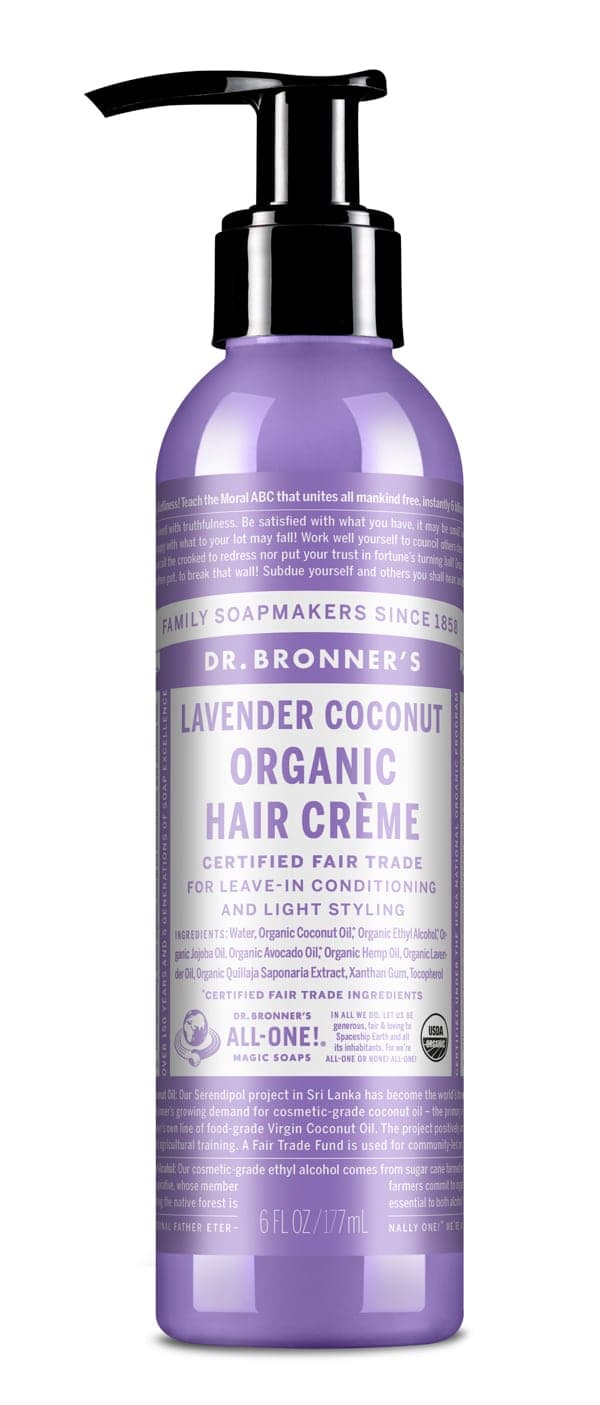
Photo: Dr. Bronner's press kit 1Dr. Bronner'sLeave-in conditioning creamOrganic Hair Crème (Lavender)
A leave-in conditioning and light styling cream made with organic coconut, jojoba and hemp seed oils and lavender oil. The product page shows the USDA Organic and Oregon Tilth marks, and the brand states its products are certified to National Organic Program standards.
Good to know: Scented with lavender oil. The brand says its products above 95 percent organic carry the USDA label on the front, so check for it on the bottle. This is not a shampoo.
Checked against: drbronner.com · drbronner.com
View at brand sitedrbronner.com
- 2BadgerSix-ingredient hair and scalp oil
Jojoba Hair Oil
A hair oil the brand describes as USDA Certified Organic, with six listed ingredients: organic jojoba oil, two organic coconut oils, organic rosemary and tea tree oils, and sunflower vitamin E. It comes in a glass bottle with a pump. This is the food-style tier.
Good to know: Scented with rosemary and tea tree essential oils and contains coconut oil. The brand makes scalp claims for it that we have not checked and do not repeat. The Argan Hair Oil in the same line is a different formula.
Checked against: badgerbalm.com
View at Badgerbadgerbalm.com
- 3Avalon OrganicsShampoo with two certifications
Revitalizing Lavender Shampoo
A shampoo for normal to dry hair with aloe leaf juice first on the ingredient list. The product page states it is certified by QAI to NSF/ANSI 305 and that the formula is EWG Verified and carries that seal on its label. Organic ingredients are marked in the list.
Good to know: NSF/ANSI 305 is the "contains organic ingredients" tier, not the USDA seal. The cleansers include sodium coco-sulfate, and the scent comes from lavender oil. The brand's anti-dandruff shampoo is a separate, medicated product.
Checked against: avalonorganics.com
View at brand siteavalonorganics.com
- 4ATTITUDENo added fragrance
Extra-gentle Shampoo (Unscented)
A vegan shampoo with no added fragrance. The product page describes it as EWG Verified and dermatologically tested, and says the formula has 98.2 percent naturally sourced ingredients under ISO 16128, with watercress and Indian cress extracts.
Good to know: Naturally sourced under ISO 16128 is not organic, and the page names no organic certification. It is listed for ingredient screening and disclosure only.
Checked against: attitudeliving.com
View at ATTITUDEattitudeliving.com
Products with a photo are shown first; otherwise the order says nothing about quality. Certifications can lapse: check the certifier’s database before you buy.
Why shampoo rarely carries the USDA Organic seal
The USDA Organic rules were written for food. A hair product can be certified under them only if it is made of agricultural ingredients and meets the same handling and processing standards. A hair oil is pressed plant oil, so it can qualify. Shampoo is harder.
NSF explains the problem directly: organic regulations designed for food cannot be applied to some personal care products, which have non-food ingredients and go through different manufacturing processes. Its example is saponification, the chemical step that turns oils into soap and would not normally be permitted under traditional organic rules. NSF/ANSI 305 allows limited processing of that kind and requires at least 70 percent organic content by weight.
The tiers you will see on hair products
- USDA Organic seal: at least 95 percent organic ingredients, not counting water and salt. Mostly oils, balms and a few creams.
- "Made with organic" ingredients: at least 70 percent under USDA rules. The seal may not be shown.
- NSF/ANSI 305, "contains organic ingredients": at least 70 percent organic content by weight, exact percentage on the label. The realistic tier for shampoo.
- EWG Verified: no ingredients from EWG's unacceptable list and full ingredient disclosure, including fragrance. Not a measure of organic content.
- Organic ingredients named only in the ingredient list: allowed below 70 percent, with no organic claim on the front.
Dandruff, hair growth and other claims that make a product a drug
The FDA decides whether something is a cosmetic or a drug by its intended use. A shampoo is a cosmetic because it cleans hair. An antidandruff shampoo is also a drug because it is intended to treat dandruff, and it must meet the requirements for both. Claims to restore hair growth are drug claims too.
An organic certification does not move a product from one side of that line to the other. Nothing on this page is listed as a treatment for any scalp or hair condition. If you have one, ask a dermatologist.
Reading a shampoo ingredient list
FDA labeling rules put ingredients in descending order of predominance, with anything at 1 percent or less allowed in any order at the end. In most shampoos water or aloe juice comes first and the cleansers follow. Organic plant extracts often appear near the bottom, which is why the stated organic percentage matters more than the plant on the front.
Scent may be declared as the single word fragrance. The FDA notes that some products labeled unscented still contain fragrance ingredients to mask other smells. For bar and liquid soaps, see organic soap and body wash, and for children see baby wash and shampoo.
Questions people ask
Is there such a thing as USDA Organic shampoo?
It is uncommon. The USDA says a personal care product can be certified only if it is made of agricultural ingredients and meets the National Organic Program's production, handling and processing standards. NSF notes that those food-based rules cannot be applied to some personal care products. Most certified shampoos therefore use NSF/ANSI 305, which is written for personal care and says contains organic ingredients.
What does NSF/ANSI 305 mean on a shampoo bottle?
NSF says a product certified to the standard has been reviewed by an independent organic certifier and contains at least 70 percent organic content by weight. The exact percentage must be stated on the label. The standard has rules for ingredients, materials and processes, and it permits limited chemical processing that food-style organic rules would not. NSF directs shoppers to the QAI listings to look up certified products.
Are organic shampoos sulfate-free?
A certification does not promise that. One pick above is certified to NSF/ANSI 305 and is EWG Verified, and its ingredient list still includes sodium coco-sulfate among the cleansers. If you want to avoid a specific ingredient, read the ingredient list. Certification tells you about organic content or ingredient screening, not about one family of cleansers.
Can an organic shampoo treat dandruff?
Only a drug can make that claim. The FDA says an antidandruff shampoo is both a cosmetic and a drug, because it is intended to treat dandruff, and it has to meet the requirements for both. Organic content is a separate matter. For a scalp condition that does not clear up, talk with a doctor or dermatologist instead of relying on a label.
Is EWG Verified shampoo organic?
Not necessarily. EWG says its Verified mark means a product avoids every ingredient on its unacceptable list, meets its ingredient disclosure standards, including for fragrance, and is made under current good manufacturing practices. None of that measures how ingredients were farmed. A shampoo can be EWG Verified and certified for organic content at once, as one pick above is, but the two marks answer different questions.
Sources
Each page was opened and read on October 11, 2026.
- FDA: "Organic" Cosmetics
- USDA National Organic Program: Cosmetics, Body Care Products, and Personal Care Products fact sheet
- NSF: Personal Care Products Containing Organic Ingredients
- EWG Skin Deep: Understanding Skin Deep ratings
- FDA: Is It a Cosmetic, a Drug, or Both? (Or Is It Soap?)
- FDA: Fragrances in Cosmetics
- FDA: Cosmetics Labeling Guide
Keep reading
 Personal CareOrganic Soap & Body WashBar soap, castile soap and body wash with a named organic certifier or an ingredient-screening seal.
 Diapers & Baby CareOrganic Baby Wash & ShampooFew baby washes carry the USDA Organic seal. What the organic and EWG Verified claims on them cover.
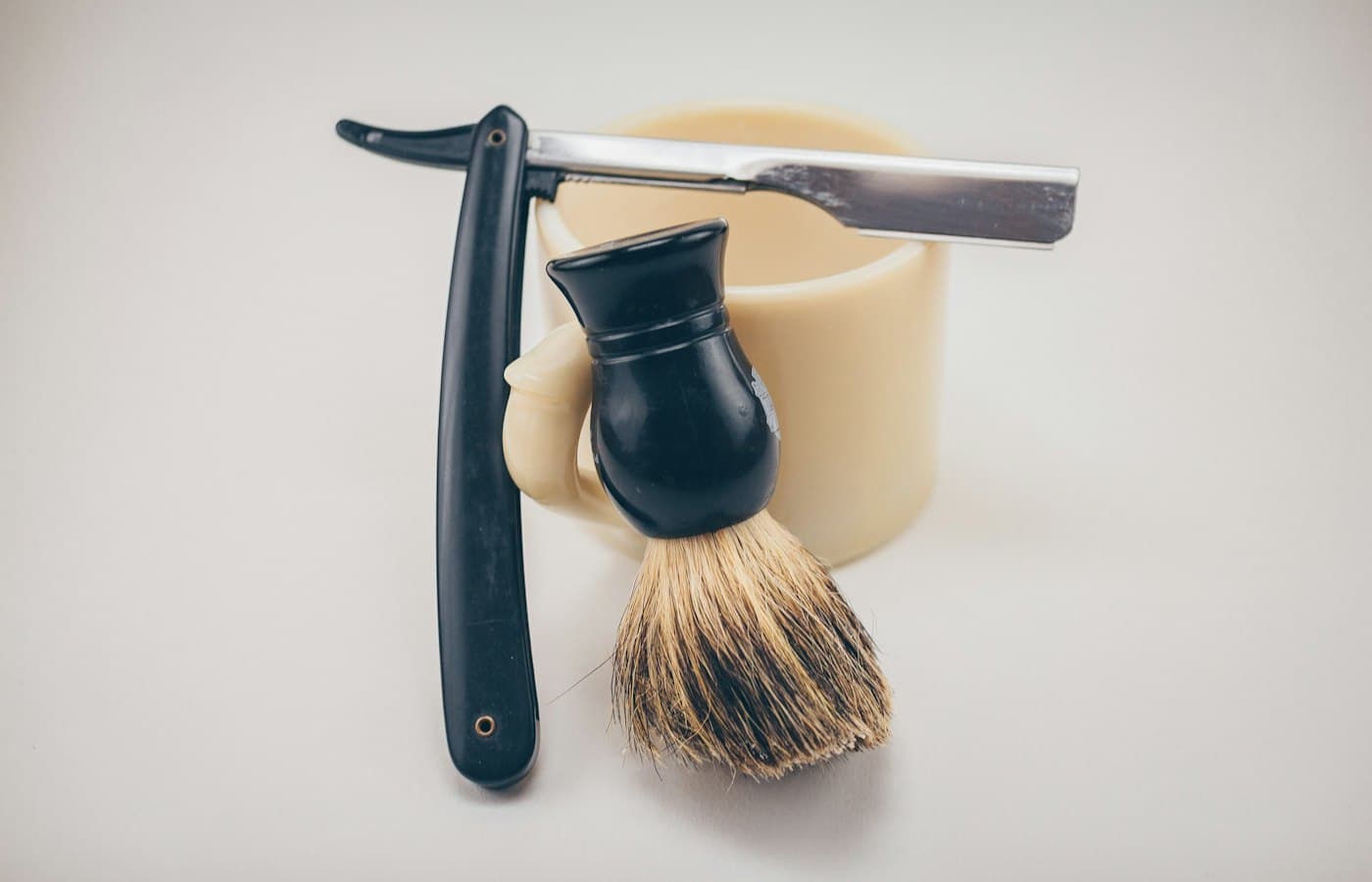 Skincare & BeautyOrganic Men's GroomingBeard oil, shaving soap and hair care for men with a named certification, and what each tier covers.
 GuideHow to spot greenwashingVague green words, homemade seals and "free of" claims: what the FTC says about each, and a five-step label check.