Supplements & Wellness
Organic Kids Vitamins
Start with the American Academy of Pediatrics: healthy children who eat a normal, well-balanced diet do not need vitamin supplements. If your pediatrician does suggest one, the USDA Organic seal tells you how the ingredients were farmed. It does not tell you whether the amounts suit your child, and the FDA does not approve supplements before sale.
Not medical advice. This page describes labels and certifications. It is general information, and it does not replace your pediatrician, doctor or midwife, who know you and your child.
What organic means here
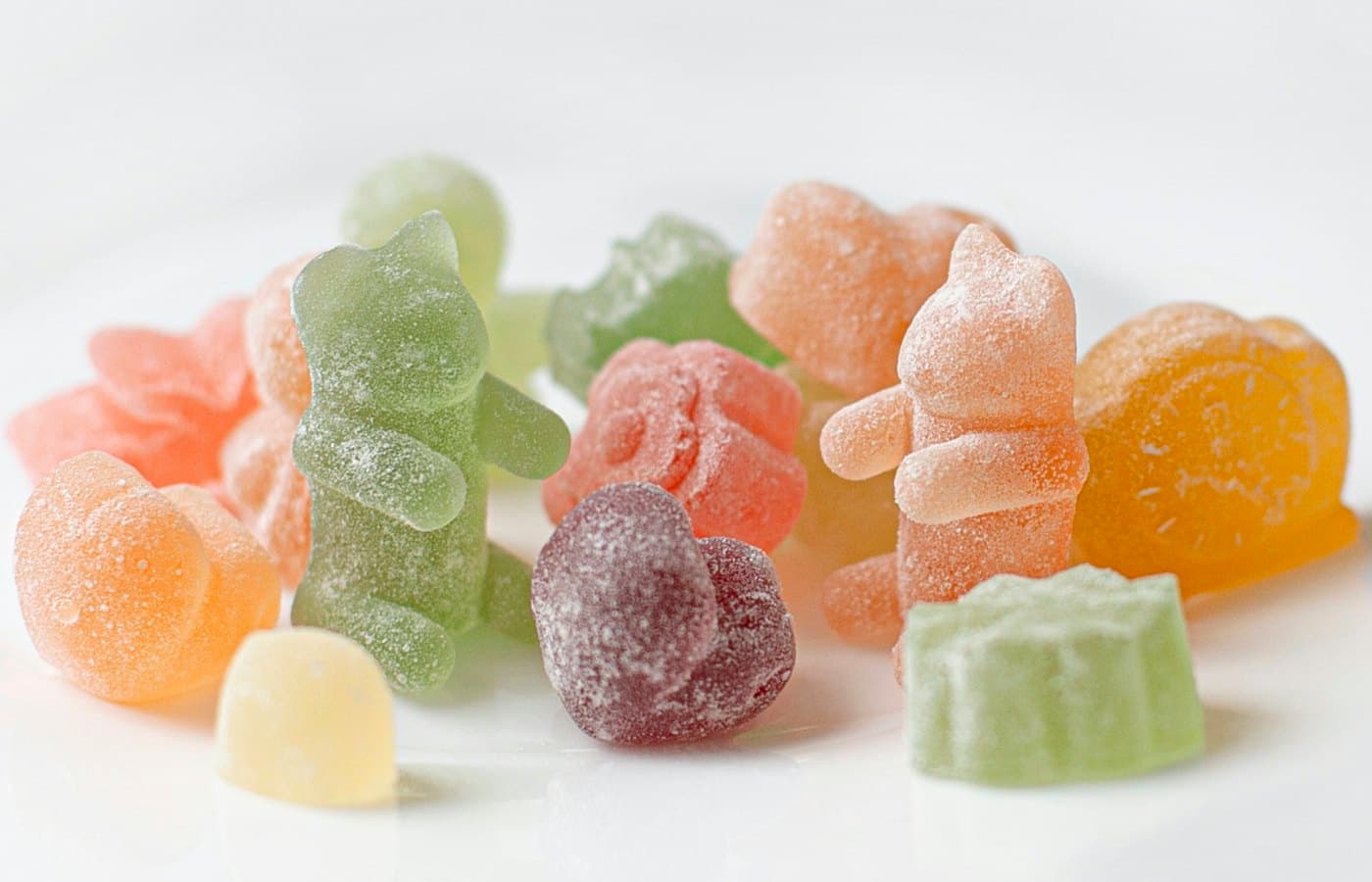
This page lists children's multivitamins whose brand page states USDA Organic certification, with any outside testing program the brand names. Organic certification covers farming and processing only. It is not a reason to give a child a supplement. Talk with your pediatrician before giving any vitamin, and follow their advice over any label.
Look for
- The USDA Organic seal and the line "Certified organic by" with a certifier's name
- The age range on the label, matched to your child's age
- A Supplement Facts panel with percent Daily Values for the stated age group
- A child-resistant cap, and sweeteners listed under "other ingredients"
Be wary of
- Gummies stored where a child can reach them: they look and taste like candy
- Labels with amounts far above 100 percent of the Daily Value for children
- Claims that a vitamin helps with focus, growth, sleep or immunity
- Giving an adult product to a child, or a kids product to a toddler below the labeled age
Products that carry the certification
We have not tested these products. Each one was checked against the brand’s own page and the certifier’s records. Product links may be affiliate links: if you buy through one we may earn a commission, at no extra cost to you. How we choose.
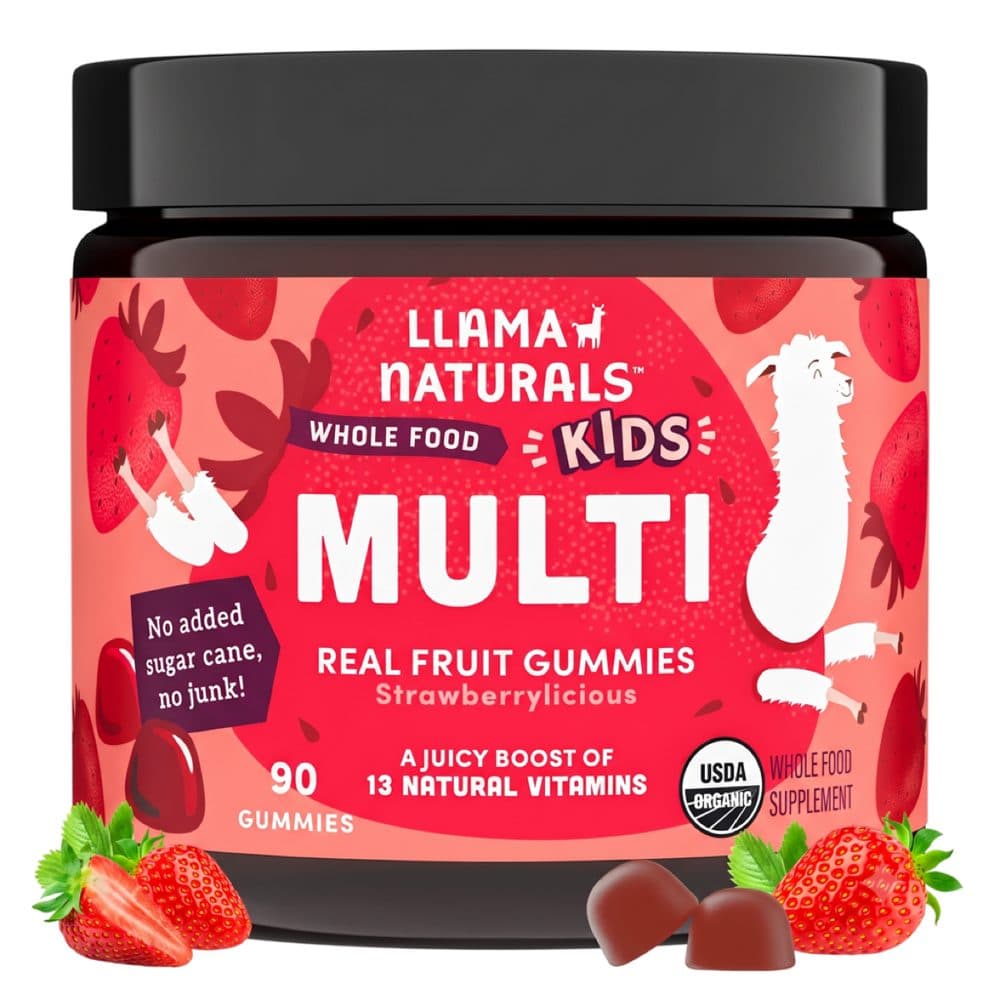
Photo: Llama Naturals 1Llama NaturalsFruit-based gummy, no added cane sugarKids Whole Food Multivitamin Gummies
A vegan children's gummy that the brand describes as USDA Organic certified and made with organic fruits and vegetables, with no added cane sugar or sweeteners. The page says it is made in a GMP facility and that every batch is third-party tested for heavy metals and contaminants.
Good to know: The page does not name the outside lab or a certification program for its testing. The gummies still contain sugar that is naturally in fruit, and the page makes health claims we do not repeat.
Checked against: llamanaturals.com
View at brand sitellamanaturals.com
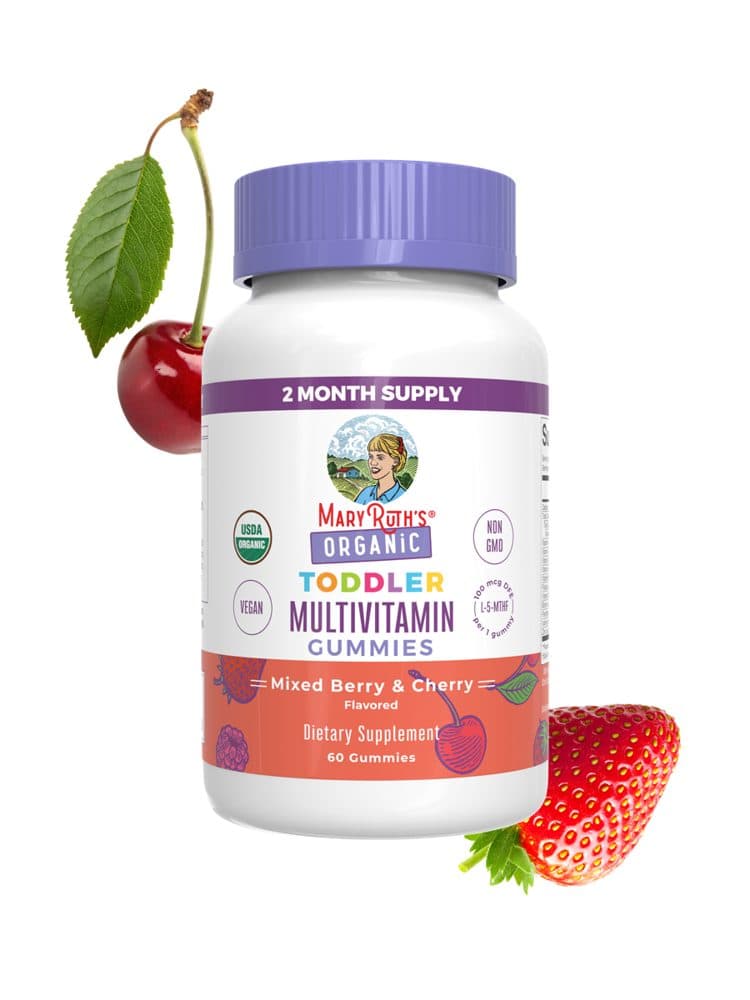
Photo: MaryRuth's 2MaryRuth'sLabeled for ages 2 and upOrganic Toddler Multivitamin Gummies
- USDA Organic
- Clean Label Project
- Certified B Corporation
A vegan, pectin-based gummy labeled for ages 2 and up. The product page shows USDA Organic, Clean Label Project certification with its Purity Award, and B Corp Certified badges, and describes the gummies as made in a GMP facility with no gelatin.
Good to know: Clean Label Project is a private testing program. The page carries a keep out of reach of children warning and tells buyers to consult a physician. Ask your pediatrician before giving a toddler any supplement.
Checked against: maryruthorganics.com
View at MaryRuth'smaryruthorganics.com
- 3SmartyPantsAges 4 and up, NSF Contents Certified
Kids Organic Multi & Omegas
- USDA Organic
- NSF Certified
- Clean Label Project
A vegetarian gummy multivitamin labeled for kids 4 years and older, to be taken under adult supervision. The product page lists it as Certified USDA Organic by QAI and NSF Contents Certified, and shows a Clean Label Project Purity Award.
Good to know: The ingredient list includes organic cane sugar and organic tapioca syrup. NSF Contents Certified checks the contents against the label; it does not say a child needs the product.
Checked against: smartypantsvitamins.com
View at SmartyPantssmartypantsvitamins.com
Products with a photo are shown first; otherwise the order says nothing about quality. Certifications can lapse: check the certifier’s database before you buy.
What the AAP says about vitamins for children
The American Academy of Pediatrics position, published on its parent site HealthyChildren.org and last updated in February 2025, is that healthy children receiving a normal, well-balanced diet do not need vitamin supplementation over and above the recommended dietary allowances.
The same page warns that megadoses of vitamins, for example large amounts of vitamins A, C or D, can produce toxic symptoms. Its advice is short: talk with your pediatrician before giving vitamin supplements to your child.
There are cases where a pediatrician does recommend a supplement, such as vitamin D for some infants and children. That is a medical decision based on your child's diet and health. It is not something a product page should decide for you, including this one.
What the organic seal covers, and what it leaves out
The USDA Organic seal on a kids vitamin means at least 95 percent of the ingredients, not counting salt and water, are certified organic. In a gummy, that mostly describes the fruit, the sweetener and the flavoring.
The seal does not check the vitamin amounts, does not test for heavy metals and does not make a vitamin appropriate for a child. Words like "natural" and "whole food" have even less behind them. Our guide to organic vs natural vs non-GMO explains which words are regulated.
How supplements for children are regulated
The FDA says it does not have the authority to approve dietary supplements for safety and effectiveness, or to approve their labeling, before they are sold. That applies to children's products the same as adult ones.
The NIH Office of Dietary Supplements advises being careful about giving supplements to a child unless their health care provider recommends it, and notes that many supplements have not been well tested for safety in children. Outside testing seals help confirm what is in the bottle. The NIH says they do not mean a product is safe or effective.
Storing and giving kids vitamins safely
Questions people ask
Does my child need a multivitamin?
Probably not, according to the American Academy of Pediatrics. Its stated position is that healthy children receiving a normal, well-balanced diet do not need vitamin supplementation beyond the recommended dietary allowances. Some children do need specific supplements for medical or dietary reasons. Your pediatrician is the person to decide that, so ask before you buy.
Are organic kids vitamins safer than regular ones?
The organic seal does not measure safety. USDA Organic certifies how ingredients were farmed and processed. It does not check vitamin amounts or test for contaminants, and the NIH Office of Dietary Supplements notes that many supplements have not been well tested for safety in children. Ask your pediatrician about any product, organic or not.
Can a child take too many vitamins?
Yes. The American Academy of Pediatrics warns that megadoses of vitamins, such as large amounts of vitamins A, C or D, can produce toxic symptoms ranging from nausea and rashes to headaches and sometimes more serious effects. Keep vitamins out of reach, give only the labeled amount, and call Poison Help at 1-800-222-1222 if a child gets into the bottle.
What does "third-party tested" mean on a kids vitamin?
It means the brand says an outside lab checked the product, but the phrase has no fixed definition. Look for a named program you can look up. The NIH Office of Dietary Supplements lists ConsumerLab.com, NSF and U.S. Pharmacopeia as organizations offering quality testing, and says their seals do not mean a product is safe or effective. Your pediatrician can help you read the label.
Are gummy vitamins fine for toddlers?
Ask your pediatrician before giving a toddler any vitamin. Check that the age on the label covers your child, since products differ in the amounts they provide. Gummies are chewy and sweet, so they need supervision and safe storage. For general background on reading these labels, see our page on organic multivitamins.
Sources
Each page was opened and read on October 11, 2026.
Keep reading
 SupplementsOrganic MultivitaminsMultivitamins whose own pages state USDA Organic certification, with any outside testing named.
 SupplementsOrganic ProbioticsProbiotic supplements with a stated USDA Organic certification, and how to read the strain and CFU lines.
 Formula & FeedingOrganic Baby SnacksUSDA Organic puffs and teething wafers, with the choking and heavy metal facts the seal does not cover.