Personal Care
Organic Deodorant
A deodorant deals with odor and is a cosmetic. An antiperspirant reduces sweat and is an over-the-counter drug with an aluminum-based active ingredient. Organic deodorants are deodorants only. The FDA does not define "organic" here, so look for USDA Organic certification, NSF/ANSI 305 or EWG Verified, and a named certifier.
What organic means here
This page lists deodorants whose own product pages state a certification: USDA Organic for formulas made of agricultural ingredients, or EWG Verified for formulas screened ingredient by ingredient. None is an antiperspirant, so none is meant to stop sweat. Certification describes ingredients and sourcing. It is not a health claim, and we make none about aluminum.
Look for
- "Certified USDA Organic" or a certifier's name on the label, not only the word organic
- The word "deodorant" alone: a product that also reduces sweat must be labeled "antiperspirant"
- Whether it contains baking soda, which some people find irritating
- Every ingredient listed, including what the scent is made of
Be wary of
- "Organic" in the product name with no certifier named anywhere
- Claims that a deodorant prevents disease or removes toxins from the body
- "Unscented" products that still list essential oils or masking fragrance
Products that carry the certification
We have not tested these products. Each one was checked against the brand’s own page and the certifier’s records. Product links may be affiliate links: if you buy through one we may earn a commission, at no extra cost to you. How we choose.
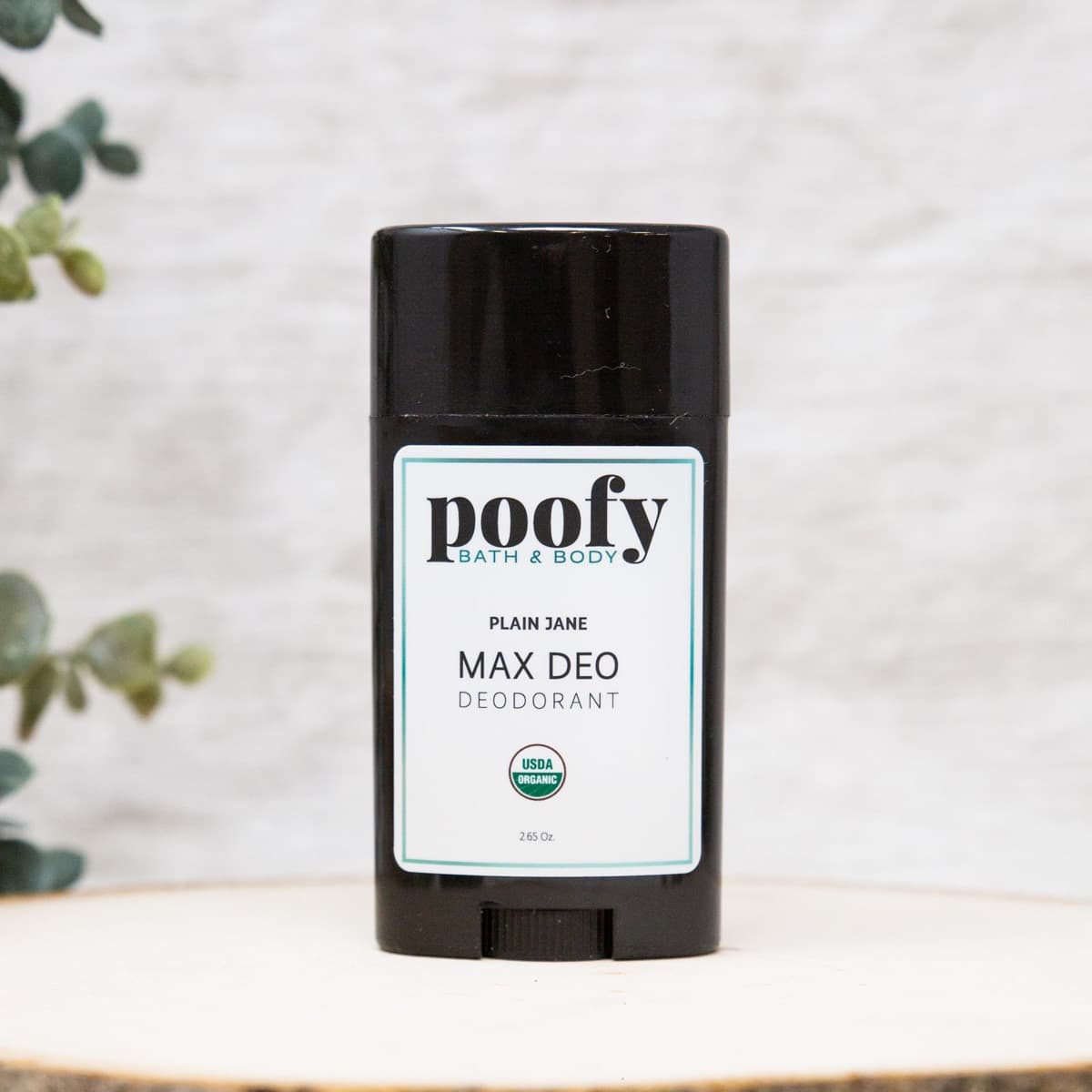
Photo: Poofy Organics 1Poofy OrganicsUSDA Organic, fragrance-free stickMax Deo Plain Jane Deodorant (Unscented) Organic
The product page notes it is a certified USDA Organic product. The ingredient list is six items long: organic arrowroot powder, organic virgin coconut oil, organic beeswax, organic unrefined shea butter, organic cocoa butter and baking soda. It is a fragrance-free formula with no aluminum compounds.
Good to know: Contains baking soda and beeswax, so it is not for people who react to baking soda or avoid bee products. The brand also sells scented versions with their own ingredient lists.
Checked against: poofyorganics.com
View at brand sitepoofyorganics.com
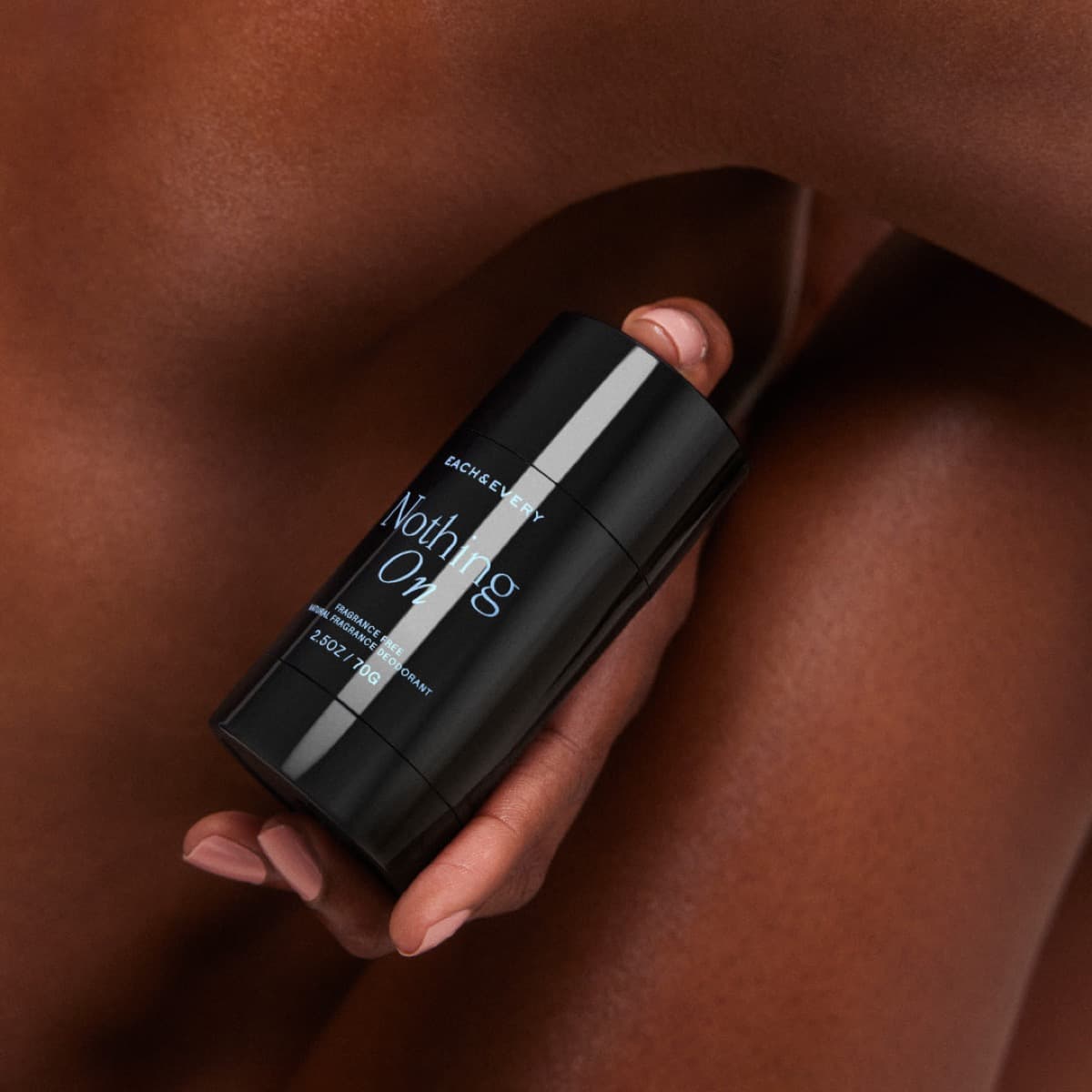
Photo: Each & Every 2Each & EveryUnscented, no baking sodaNothing On (Unscented) Deodorant
An unscented, fragrance-free stick deodorant. The product page marks it EWG Verified and states it is made with no aluminum, parabens, artificial fragrance, baking soda or gluten, and that it is cruelty free and vegan.
Good to know: EWG Verified screens ingredients against EWG's criteria. It is not an organic certification, and this deodorant carries none.
Checked against: eachandevery.com
View at brand siteeachandevery.com
- 3ATTITUDEBaking soda-free, plastic-free option
Deodorant - Sensitive Skin, Unscented
A vegan, unscented deodorant that the product page describes as EWG Verified and dermatologically tested. It uses magnesium hydroxide and cornstarch for odor and moisture, with oat extract, and comes in a plastic tube or a plastic-free push-up format. The brand states it contains no aluminum salts.
Good to know: EWG Verified is an ingredient screen, not an organic certification. The brand's other deodorant line contains baking soda, so check which one you are buying.
Checked against: attitudeliving.com
View at ATTITUDEattitudeliving.com
Products with a photo are shown first; otherwise the order says nothing about quality. Certifications can lapse: check the certifier’s database before you buy.
Deodorant versus antiperspirant
The two words are not interchangeable. The FDA defines an antiperspirant as a drug product applied to the skin that reduces the production of sweat at that site. Its rules list the allowed active ingredients, which are aluminum-based compounds, and require the label to identify the product as an "antiperspirant".
A deodorant that only masks or reduces odor is a cosmetic. The FDA notes that deodorants that are also antiperspirants are both cosmetics and drugs and must meet the rules for both. Cosmetics do not need FDA approval before they reach the market.
| Deodorant | Antiperspirant | |
|---|---|---|
| What it does | Reduces or masks odor | Reduces sweat |
| How the FDA treats it | Cosmetic | Over-the-counter drug |
| Active ingredient | None required | Aluminum-based compound |
| Label | Ingredient list | Uses, warnings and directions |
What the National Cancer Institute says about aluminum
The National Cancer Institute explains that aluminum-based compounds are the active ingredient in antiperspirants and work by forming a temporary plug in the sweat duct. Its fact sheet, last reviewed in August 2016, says no scientific evidence links antiperspirants or deodorants to the development of breast cancer.
The same page says that no studies to date have confirmed substantial adverse effects of aluminum that could add to breast cancer risk, and that a 2014 review found no clear evidence that aluminum-containing antiperspirants increase it. It also notes that study results have conflicted and more research would be needed. That is where the evidence stands on that page today, and we do not go beyond it.
What organic can mean on a deodorant
The FDA does not define "organic" for cosmetics. The USDA does regulate the term for agricultural products, and a deodorant made of plant oils, butters, starches and waxes can be certified under the National Organic Program. A stick like that can carry the USDA Organic seal. Our guide to what organic means covers the rules across product types.
Deodorants built on other ingredients often cannot qualify. For those, EWG Verified or MADE SAFE show that the ingredient list was screened by an outside group, which is a different promise from organic farming.
Choosing by ingredients, not by claims
Certified or not, a deodorant will not stop you sweating. If you want less wetness, that is what an antiperspirant is for, and choosing one is a personal decision, not a failure of virtue.
Within deodorants, the practical differences are the odor ingredient (baking soda, magnesium hydroxide), the base (oils and waxes, which can mark clothing) and the scent. Essential oils are natural and can still irritate. The FDA notes that plants, organically grown or not, can contain allergenic substances.
Questions people ask
What is the difference between deodorant and antiperspirant?
A deodorant reduces or covers odor and is regulated as a cosmetic. An antiperspirant reduces how much you sweat. The FDA classes it as an over-the-counter drug, limits its active ingredients to listed aluminum-based compounds, and requires the label to say "antiperspirant". A product that does both is a cosmetic and a drug at once and must follow both sets of rules.
Does the aluminum in antiperspirant cause breast cancer?
The National Cancer Institute says no scientific evidence links antiperspirants or deodorants to the development of breast cancer, and that no studies to date have confirmed substantial adverse effects of aluminum that could raise the risk. Its fact sheet was last reviewed in August 2016 and notes that more research would be needed to settle the question. Ask your doctor if you have a personal concern.
Can a deodorant be USDA Organic?
Yes, when it is made of agricultural ingredients such as plant oils, butters, starches and beeswax, and the maker is certified under the USDA's National Organic Program. The label then names the certifier. Many deodorants use ingredients that are not farm products, so they cannot qualify. Those may carry an ingredient-screening mark such as EWG Verified instead.
Will an organic deodorant stop sweat?
No. Only an antiperspirant is meant to reduce sweat, and it does that with an aluminum-based active ingredient that the FDA regulates as a drug. Deodorants, organic or not, work on odor. Some include starches or powders that absorb a little moisture, and the product pages for the picks above say so, but none claims to stop perspiration.
Why do antiperspirants carry a kidney disease warning?
The FDA's rules for over-the-counter antiperspirants require the label to say "Ask a doctor before use if you have kidney disease", along with warnings not to use the product on broken skin and to stop if a rash or irritation occurs. The monograph sets the wording and does not explain it, so if the warning applies to you, talk with your doctor.
Sources
Each page was opened and read on October 11, 2026.
- FDA: Is It a Cosmetic, a Drug, or Both? (Or Is It Soap?)
- FDA: OTC Monograph M019, Antiperspirant Drug Products for Over-the-Counter Human Use
- National Cancer Institute: Antiperspirants/Deodorants and Breast Cancer
- FDA: "Organic" Cosmetics
- USDA Agricultural Marketing Service: Cosmetics, Body Care, and Personal Care Products
Keep reading
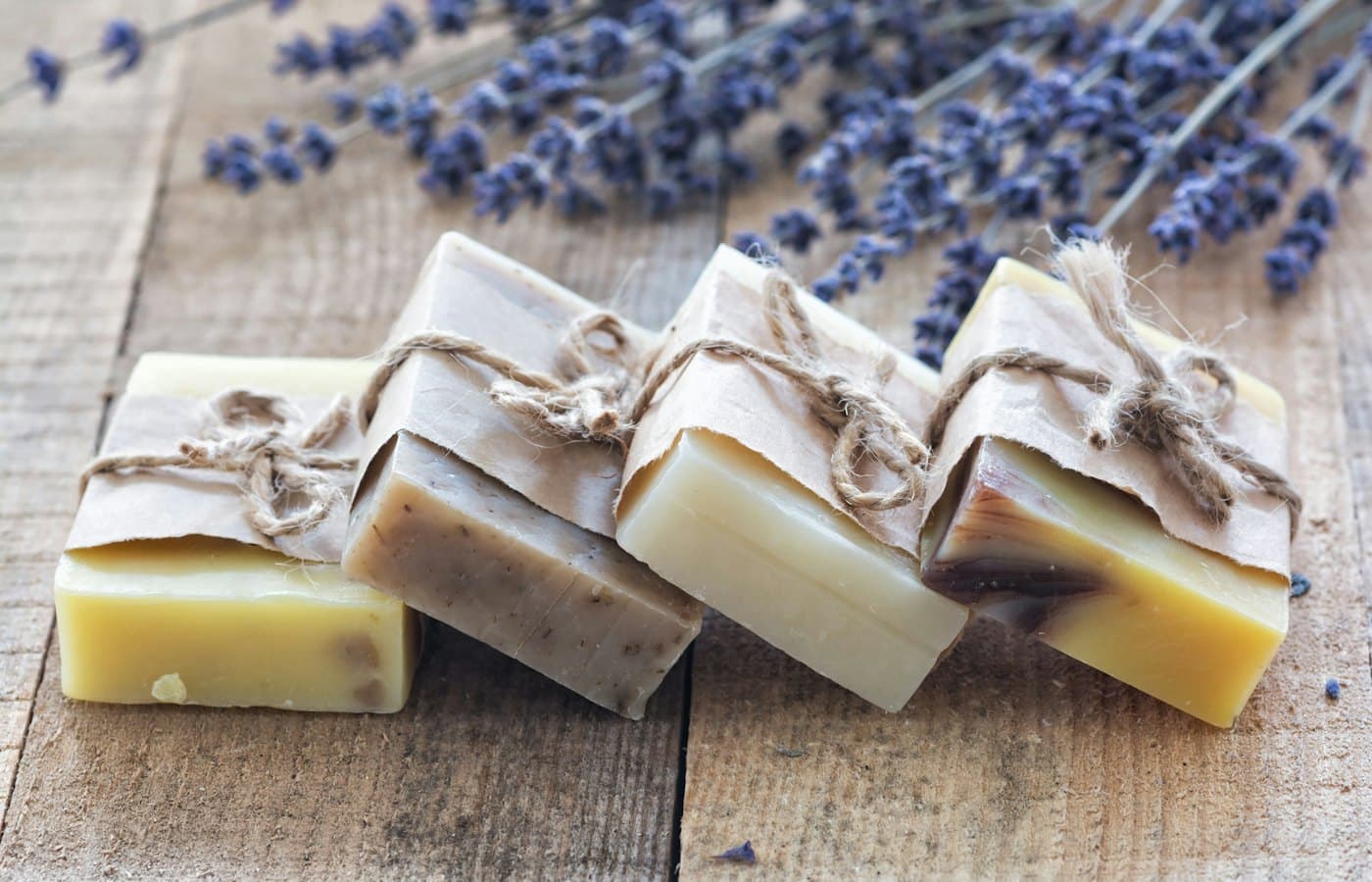 Personal CareOrganic Soap & Body WashBar soap, castile soap and body wash with a named organic certifier or an ingredient-screening seal.
 Skincare & BeautyOrganic Men's GroomingBeard oil, shaving soap and hair care for men with a named certification, and what each tier covers.
 Skincare & BeautyOrganic & Natural PerfumePerfumes that disclose every ingredient and carry a named verification, and what organic can mean on a scent.