Skincare & Beauty
Mineral Sunscreen
Sunscreen is regulated by the FDA as an over-the-counter drug, so no organic seal speaks to how well it protects. Mineral sunscreens use zinc oxide or titanium dioxide as the active ingredient. What a certification can tell you is how the other ingredients were sourced or screened. Read the Drug Facts panel first, then the seal.
What organic means here
Every pick lists zinc oxide as its only active ingredient on the brand's page. Zinc oxide is a mineral and cannot be organic, so certifications here cover the rest of the formula: NSF/ANSI 305 for organic content, EWG Verified or MADE SAFE for ingredient screening. One pick has no product certification and says so. We make no claims about protection.
Look for
- A Drug Facts panel listing zinc oxide or titanium dioxide as the active ingredient
- "Broad spectrum" and an SPF of at least 15, which is what the FDA advises
- "Water resistant (40 minutes)" or "(80 minutes)" if you will swim or sweat
- An expiration date, and a named certifier for any organic or verified claim
Be wary of
- "Organic sunscreen" with no certifier named: the active ingredient is a mineral, not a crop
- "Waterproof" or "sweatproof": the FDA says no sunscreen is waterproof
- "Reef-safe" with nothing behind it: NOAA's page on sunscreen and marine life does not use the term
- "Mineral" on the front with other active ingredients listed in Drug Facts
Products that carry the certification
We have not tested these products. Each one was checked against the brand’s own page and the certifier’s records. Product links may be affiliate links: if you buy through one we may earn a commission, at no extra cost to you. How we choose.
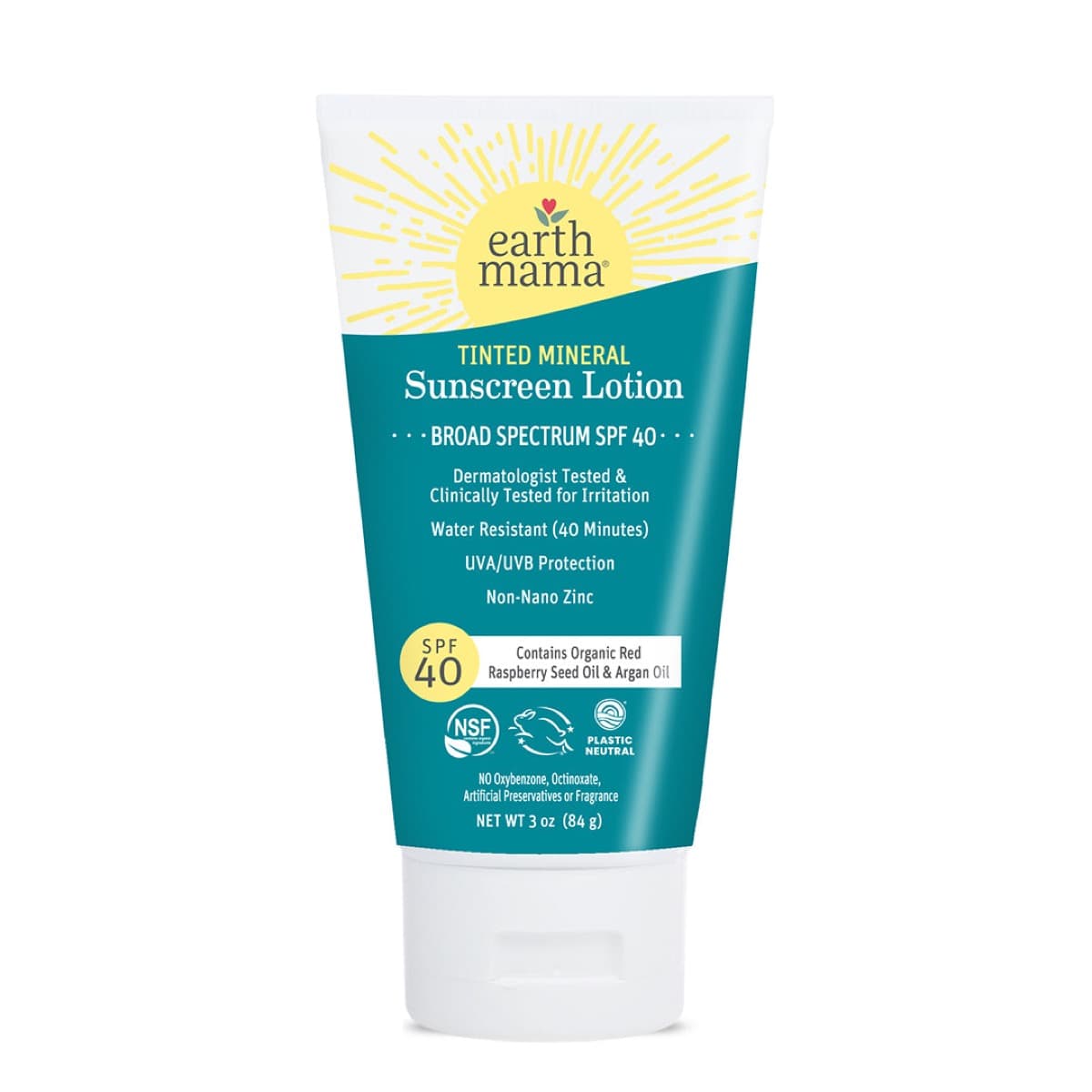
Photo: Earth Mama 1Earth MamaNSF/ANSI 305 certified, tintedTinted Mineral Sunscreen Lotion SPF 40
- NSF/ANSI 305
- Leaping Bunny
The product page lists zinc oxide at 25 percent as the active ingredient and states the lotion is NSF/ANSI 305 Certified by Oregon Tilth and Leaping Bunny Certified. It is labeled broad spectrum SPF 40 and water resistant for 40 minutes, with no artificial fragrance.
Good to know: NSF/ANSI 305 covers organic content in the formula, not sun protection, and it is not the USDA Organic seal. The tint is meant to offset white cast and will not match every skin tone.
Checked against: earthmamaorganics.com
View at Earth Mamaearthmamaorganics.com
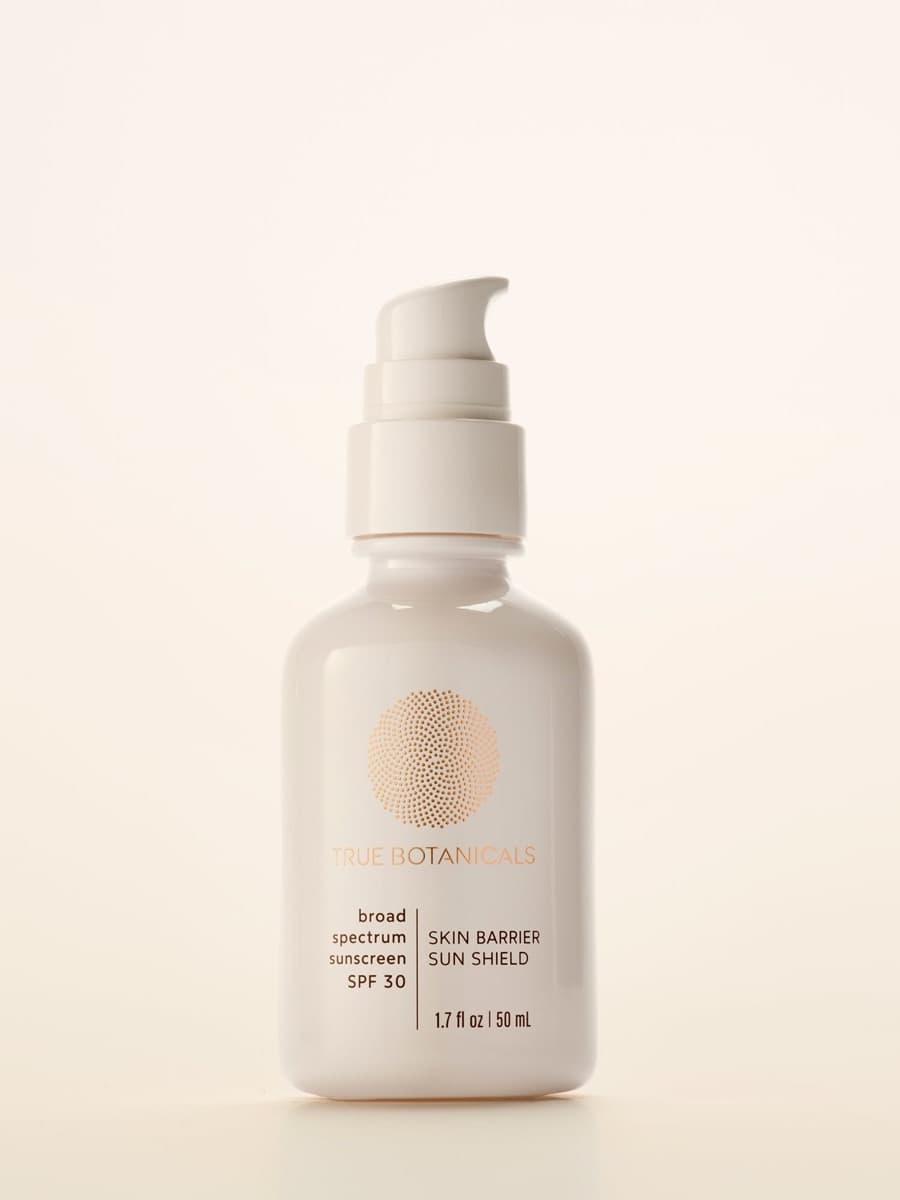
Photo: True Botanicals 2True BotanicalsMADE SAFE certified face sunscreenSkin Barrier Sun Shield SPF 30
A face sunscreen listing zinc oxide at 19 percent as the active ingredient. The brand states it is MADE SAFE certified, and it appears by name in the MADE SAFE certified products index. It is listed for outside ingredient screening.
Good to know: MADE SAFE is not an organic certification. We did not find a water resistance time on the page. The brand makes reef and skin appearance claims that we do not repeat.
Checked against: truebotanicals.com · index.madeworks.com
View at brand sitetruebotanicals.com
- 3Babo BotanicalsFragrance-free, EWG Verified
Sheer Zinc Mineral Sunscreen Lotion SPF30
A fragrance-free lotion that lists zinc oxide at 16 percent as the active ingredient and that the brand states is EWG Verified. The page describes it as broad spectrum SPF 30 and water resistant for 80 minutes, made with sunflower oil, shea butter and a certified organic herbal blend.
Good to know: EWG Verified screens ingredients and disclosure. It is not an organic certification, and only part of this formula is described as certified organic. The page says to ask a doctor before use under 6 months.
Checked against: babobotanicals.com
View at brand sitebabobotanicals.com
- 4ATTITUDEUnscented body sunscreen
Mineral Sunscreen SPF 50
An unscented body sunscreen with zinc oxide at 24 percent as the listed active ingredient. The product page describes it as broad spectrum, dermatologically tested and EWG Verified, with a fluid texture.
Good to know: The brand's own FAQ says only its SPF 50+ lightweight lotions are water resistant, so do not assume this one is. EWG Verified is an ingredient screen, not an organic certification.
Checked against: attitudeliving.com
View at ATTITUDEattitudeliving.com
- 5BadgerFour ingredients, unscented
Sport Mineral Sunscreen Cream SPF 40
- Certified B Corporation
Four ingredients: zinc oxide at 22.5 percent, organic sunflower oil, organic beeswax and sunflower vitamin E. The page describes it as unscented, broad spectrum SPF 40 and water resistant for 80 minutes, and says 98 percent of the ingredients are organic.
Good to know: The page names no organic certifier for the finished sunscreen, so treat the organic figure as the brand's own. B Corp is a company certification, not a product one. Contains beeswax.
Checked against: badgerbalm.com · badgerbalm.com
View at Badgerbadgerbalm.com
Products with a photo are shown first; otherwise the order says nothing about quality. Certifications can lapse: check the certifier’s database before you buy.
Sunscreen is a drug, and that changes what a seal can mean
The FDA regulates sunscreens as drugs, to make sure they meet safety and effectiveness standards. That puts the SPF number, the broad spectrum claim and the water resistance time under drug rules. An organic or ingredient-screening seal sits beside those rules and does not touch them.
It also limits what can be organic. The active ingredient in a mineral sunscreen is a mineral. COSMOS notes that mineral ingredients can never be organic. So a certification such as NSF/ANSI 305 is about the oils, waxes and extracts around the zinc oxide. EWG Verified and MADE SAFE screen ingredients and say nothing about farming.
What the FDA says about zinc oxide and titanium dioxide
In a 2021 proposed order, the FDA proposed that zinc oxide and titanium dioxide be classified as generally recognized as safe and effective for use in sunscreens at concentrations up to 25 percent. The agency says it found sufficient safety data on both. That order is still a proposal.
The same proposal says 12 other active ingredients, including oxybenzone, octinoxate, octocrylene, homosalate and avobenzone, need more data. The FDA is clear that this is a request for information, not a finding that they are unsafe. On September 10, 2026, a final order removed two ingredients, aminobenzoic acid and trolamine salicylate, from the sunscreen monograph. The FDA says it is not aware of any sunscreen sold in the US that contains them.
How to read a sunscreen label
| On the label | What the FDA says |
|---|---|
| Broad spectrum | Helps protect against both UVA and UVB rays |
| SPF | Choose a broad spectrum sunscreen with an SPF of at least 15 |
| Water resistant | Must say 40 minutes or 80 minutes. No sunscreen is waterproof |
| Directions | Reapply at least every two hours, more often if swimming or sweating |
| Expiration date | With no date printed, consider it expired three years after purchase |
What NOAA says about sunscreen and marine life
NOAA lists ten chemicals found in some sunscreens that can harm marine life. The list includes oxybenzone, octinoxate and octocrylene. It also includes nano-titanium dioxide and nano-zinc oxide, so mineral does not settle the question by itself.
NOAA also says mineral sunscreen, which does not use chemical UV filters, is considered a better option because it has fewer effects on aquatic organisms, and that research is still active. Its other suggestions are shade between 10 a.m. and 2 p.m. and clothing with an Ultraviolet Protection Factor rating. We do not repeat any brand's reef claim. Our guide to spotting greenwashing explains why.
Questions people ask
Can a sunscreen be certified organic?
Parts of it can. The active ingredient in a mineral sunscreen is zinc oxide or titanium dioxide, and minerals are not farm products. The oils, waxes and plant extracts in the base can be certified organic, and a whole formula can be certified to a standard such as NSF/ANSI 305, which requires at least 70 percent organic content by weight. None of that measures sun protection.
Has the FDA said mineral sunscreen is safe?
The FDA has proposed it. Its 2021 proposed order would classify zinc oxide and titanium dioxide as generally recognized as safe and effective at concentrations up to 25 percent, and the agency says it found sufficient safety data on both. That part of the order is not final as of the FDA page dated September 10, 2026.
Is mineral sunscreen reef-safe?
NOAA's page on sunscreen and marine life does not use that term. It says mineral sunscreen is considered a better option than chemical UV filters because it has fewer effects on aquatic organisms. NOAA's own list of chemicals that can harm marine life still includes nano-zinc oxide and nano-titanium dioxide. NOAA also suggests shade and sun-protective clothing, which put nothing in the water.
Can I use mineral sunscreen on a baby?
Not under 6 months without asking a pediatrician first. The FDA says sunscreen is not recommended for infants under six months old, and that the FDA and the American Academy of Pediatrics recommend keeping them out of direct sunlight. Shade is the first choice, along with a brimmed hat and lightweight clothing that covers arms and legs.
Does mineral sunscreen expire?
Yes. The FDA says a sunscreen without a printed expiration date should be considered expired three years after purchase. If a date is printed, follow it. An organic or verified seal does not change shelf life. Store the tube out of heat and direct sun, and replace it if the date has passed.
Sources
Each page was opened and read on October 11, 2026.
- FDA: Sunscreen: How to Help Protect Your Skin from the Sun
- FDA: Questions and Answers: FDA's Regulatory Actions on Over-the-Counter Sunscreen
- FDA: Should You Put Sunscreen on Infants? Not Usually
- NOAA National Ocean Service: Skincare Chemicals and Coral Reefs
- FDA: "Organic" Cosmetics
- NSF: Personal Care Products Containing Organic Ingredients
- COSMOS: COSMOS Certification, Organic and Natural
Keep reading
 Diapers & Baby CareMineral Baby SunscreenUnder 6 months: shade first, and ask your pediatrician. After that, what mineral sunscreen labels mean.
 Skincare & BeautyOrganic Face CareFace oils and creams sorted by what they are certified to: USDA Organic, COSMOS Organic, NSF/ANSI 305 or MADE SAFE.
 Personal CareOrganic Lip BalmLip balms that state USDA Organic certification on the brand's own page, and how to read the tube.