Organic Food & Pantry
Organic Canned Beans, Tomatoes & Broth
Organic canned food is made from ingredients grown under the USDA organic rules and packed by a certified company. Look for the USDA Organic seal and read the ingredient list for salt and additives. The seal is about the food. What lines the can is a separate claim, and it comes from the brand, not the certifier.
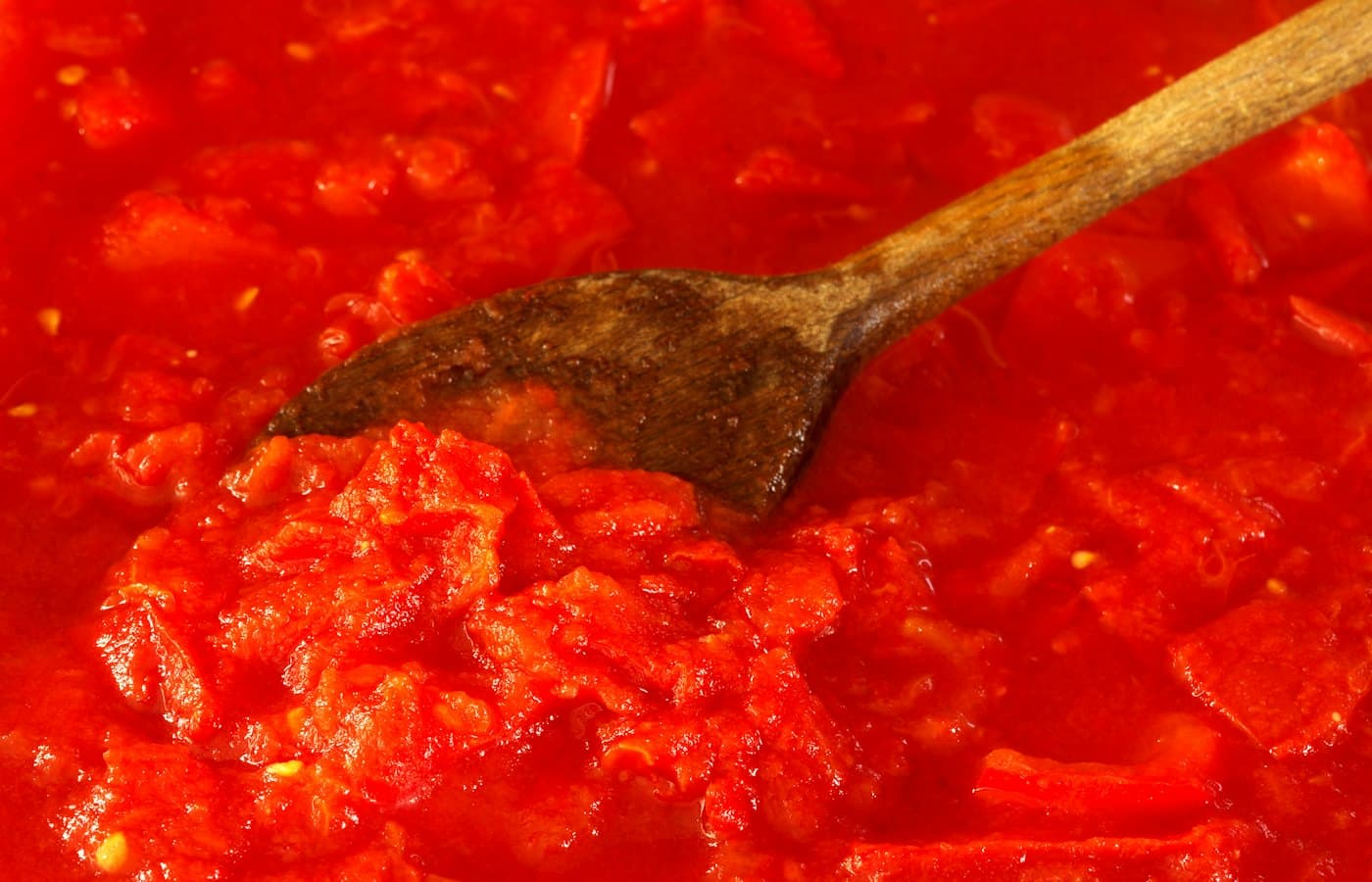
What organic means here
Beans, tomatoes and broth are farm products, so they can carry the USDA Organic seal, and that is what this page accepts. Broth has several ingredients, so it must reach the 95 percent organic tier to use the seal. Can lining statements are quoted only from the brand's own page.
Look for
- The USDA Organic seal and a certifier's name on the label
- The ingredient list: beans and water, or tomatoes and juice, with salt only if you want it
- Sodium per serving on the Nutrition Facts panel, especially on broth
- A lining statement from the brand if BPA matters to you, in its exact words
Be wary of
- 'BPA free' assumed from the organic seal: certification does not address the lining
- 'Made with organic' soups and broths: a lower tier that may not show the seal
- Cans that are swollen, leaking, deeply rusted or badly dented
Products that carry the certification
We have not tested these products. Each one was checked against the brand’s own page and the certifier’s records. Product links may be affiliate links: if you buy through one we may earn a commission, at no extra cost to you. How we choose.
- 1Muir GlenDiced tomatoes, lining stated
Organic Diced Tomatoes
Canned diced tomatoes that the product page describes as USDA Certified Organic and Non-GMO Project Verified. The brand's FAQ says all Muir Glen cans and jars are non-BPA because they use a can lining made without BPA, and describes the liners as food-grade vinyl.
Good to know: The ingredient list includes sea salt, citric acid and calcium chloride. The lining statement is the brand's own and is not part of the organic certification.
Checked against: muirglen.com · muirglen.com
View at Muir Glenmuirglen.com
- 2Westbrae NaturalTwo ingredients: beans and water
Organic Black Beans
Canned black beans with two ingredients, organic black beans and water, and 0 mg of sodium per serving on the nutrition panel shown. The brand's FAQ states that all of its beans are Non-GMO Project verified and have USDA Organic certification.
Good to know: We found no statement about the can lining on the product page or the FAQ, so we make no BPA claim for this pick. Ask the brand if that matters to you.
Checked against: westbrae.com · westbrae.com
View at brand sitewestbrae.com
- 3Pacific FoodsChicken broth, short ingredient list
Organic Free Range Chicken Broth
A chicken broth the product page describes as USDA Certified Organic and made from non-GMO ingredients. The listed ingredients are organic chicken broth, organic chicken flavor, sea salt, organic onion powder and organic turmeric and rosemary extracts.
Good to know: The product page does not describe the package or its lining, so we make no BPA claim. 'Free range' is the brand's term and is not defined by the organic seal. Check sodium per serving.
Checked against: pacificfoods.com
View at brand sitepacificfoods.com
- 4BionaturaeNo salt or calcium chloride added
Organic Diced Tomatoes
- USDA Organic
- Regenerative Organic Certified
- Non-GMO Project Verified
- Glyphosate Residue Free
Diced tomatoes with two ingredients, organic tomatoes and organic tomato puree, grown in Italy. The page shows the USDA Organic, Regenerative Organic Certified, Non-GMO Project Verified and Glyphosate Residue Free seals, and states that the lining of the cans is produced without BPA.
Good to know: Bionaturae is sold on the Jovial Foods site, which is where this link goes. The page does not say what the lining is made of instead.
Checked against: jovialfoods.com
View at Bionaturaejovialfoods.com
Products with a photo are shown first; otherwise the order says nothing about quality. Certifications can lapse: check the certifier’s database before you buy.
What the seal covers inside the can
The USDA Organic seal covers the ingredients and the cannery. Crops must come from land with no prohibited substances applied for at least 3 years before harvest, and genetic engineering, ionizing radiation and sewage sludge are prohibited, according to the USDA Agricultural Marketing Service.
The handling standards add two points that matter for canned food. Non-agricultural ingredients, such as the citric acid or calcium chloride you see in canned tomatoes, must be on the National List of allowed substances. And the cannery must keep organic product from mixing with non-organic product. Our USDA Organic page goes deeper.
A product labeled 'organic' must contain at least 95 percent organic ingredients, not counting salt and water. That is the tier a multi-ingredient broth or soup has to reach to show the seal.
Can linings and BPA: what the FDA says
BPA is found in epoxy resins that act as a protective lining on the inside of some metal food and beverage cans. The FDA notes that small, measurable amounts of packaging materials can migrate into food.
The FDA's stated position, based on its most recent safety assessment, is that BPA is safe at the current levels occurring in foods. The agency has also amended its regulations so they no longer provide for BPA-based materials in baby bottles, sippy cups and infant formula packaging, because those uses had been abandoned.
Some brands state on their sites that their linings are made without BPA. That statement comes from the brand. It is not checked by the organic certifier, and 'made without BPA' does not tell you what the replacement lining is, so we quote each brand's wording and stop there.
Reading the label: salt, additives and tiers
Our guide to reading a USDA organic label explains each tier, and store-brand cans are covered in organic store brands compared.
- Beans: the shortest lists are beans and water. Salt is the usual third ingredient.
- Tomatoes: citric acid and calcium chloride are common, and allowed in organic products when on the National List. Some brands leave them out and say so.
- Broth: check sodium per serving, and look for a 'low sodium' version if you cook with a lot of it.
- Soups and seasoned beans: check whether the front says 'organic' or 'made with organic', which is the 70 percent tier with no seal.
Checking cans before you buy and before you open
Organic or not, a damaged can is a food safety problem. The FDA says to check canned goods for damage, shown by swelling, leakage, punctures, holes, fractures, extensive deep rusting, or crushing or denting severe enough to prevent normal stacking or opening with a manual can opener.
Leave those cans on the shelf, and do not taste the contents of one you find at home.
Questions people ask
Does USDA Organic mean the can is BPA free?
No. The organic seal covers how the food was grown and handled. It does not address what the can is lined with. A lining claim is a separate statement made by the brand, so look for it on the label or the brand's website, and treat silence as 'not stated' and not as a yes.
Is BPA in can linings considered safe?
The FDA's current position is that BPA is safe at the current levels occurring in foods, and that the available information supports its approved uses in food containers and packaging. Some shoppers still prefer to avoid it. If you do, look for a brand that states its lining is made without BPA.
Why do organic canned tomatoes contain citric acid or calcium chloride?
They are additives some canners use in tomatoes, and you will see them on some organic labels too. Under the USDA handling standards, a non-agricultural ingredient in an organic product must be on the National List of allowed substances. If you want tomatoes without them, read the ingredient list: some brands use only tomatoes and puree.
Are broth cartons covered by the same rules as cans?
The organic rules are the same whatever the package: the broth has to meet the 95 percent organic tier to show the seal. Packaging is the brand's choice. We describe the package only when the brand's own page does, which is why one pick above carries no packaging claim at all.
Are dried beans a simpler choice than canned?
Dried organic beans avoid the can question entirely, and the trade is that they take longer to cook. The same USDA Organic seal applies to the bag. Dry pantry staples are covered under organic grains, rice and pasta.
Sources
Each page was opened and read on October 11, 2026.
Keep reading
 Food & PantryOrganic Grains, Rice & PastaWhat the USDA Organic seal means on rice, grains and pasta, and why gluten-free and whole grain are separate claims.
 Food & PantryOrganic Frozen FoodsCertified organic frozen vegetables, fruit, meals and ice cream, and how to read a freezer-aisle label.
 Food & PantryOrganic Spices & SeasoningsWhat the USDA Organic seal means on spices and seasoning blends, including the ban on irradiation.
 GuideHow to read a USDA Organic labelThe four USDA organic label tiers, which ones may carry the seal, and where the certifier's name is printed.
 GuideOrganic on a budgetThe USDA Organic seal means the same thing at every price. Here is where to spend first and how to pay less for it.
 GuideOrganic store brandsStore-brand organic food meets the same USDA rules as name brands. How to read the label and check the certifier.