Organic Food & Pantry
Organic Frozen Foods
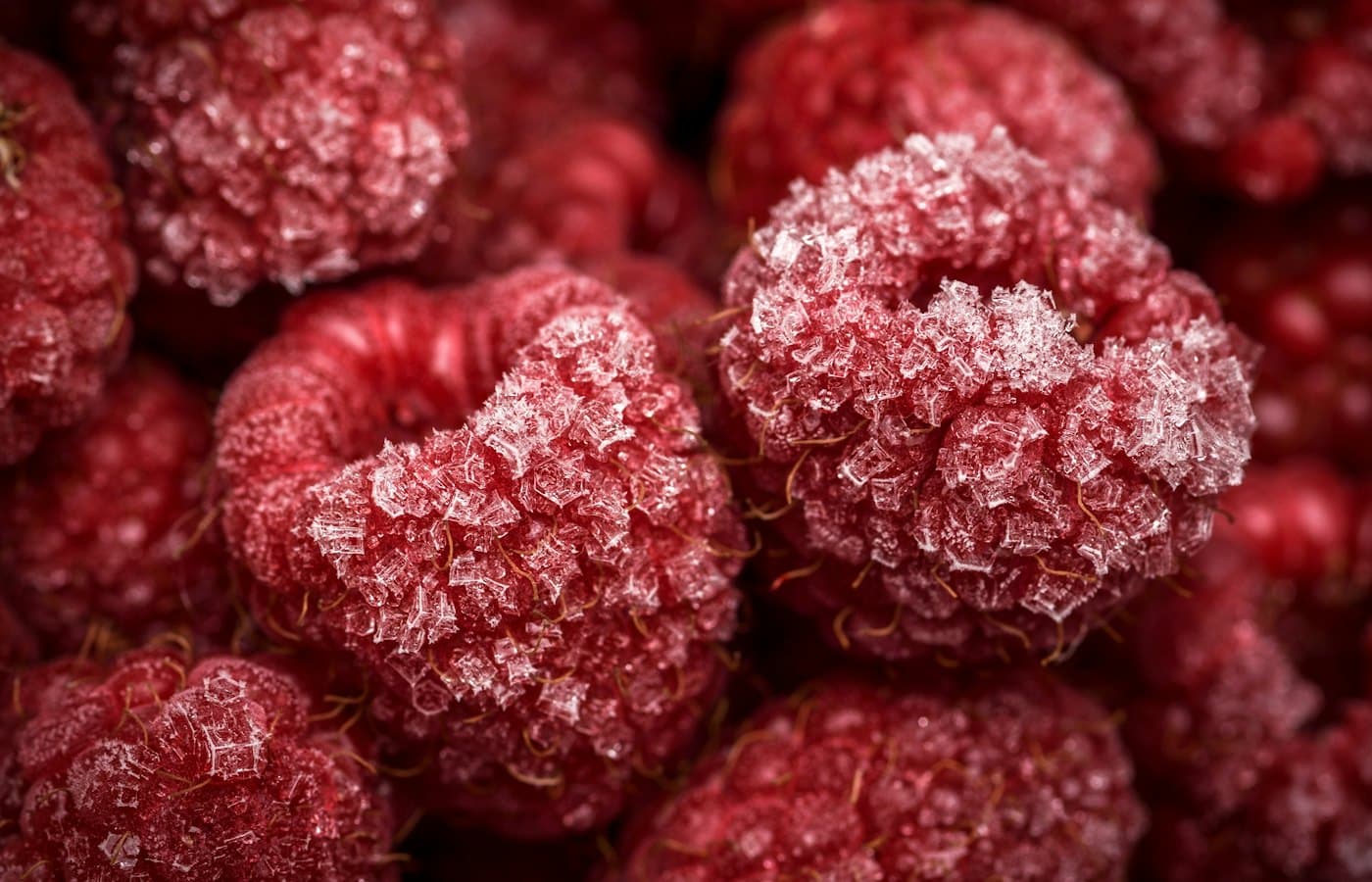
Organic frozen food is made from ingredients grown under the USDA organic rules and frozen and packed by a certified company. Plain frozen vegetables and fruit are simple: one ingredient, one seal. Frozen meals need a closer look, because 'organic' and 'made with organic' are different label tiers and only the first can show the USDA Organic seal.
What organic means here
Frozen vegetables, fruit, meals and desserts are all food, so they can carry the USDA Organic seal, and that is what this page accepts. For a multi-ingredient meal that means at least 95 percent organic ingredients. Products labeled 'made with organic' are a lower tier and are not listed as picks here.
Look for
- The USDA Organic seal on the front and a certifier's name on the back
- On meals, the exact wording: 'organic' in the product name versus 'made with organic'
- The ingredient list on plain vegetables and fruit: ideally just the vegetable or fruit
- The allergen statement on meals and ice cream, including shared-equipment notes
Be wary of
- A brand name that includes the word organic or natural: check each box for the seal
- 'Made with organic vegetables' on a frozen meal: at least 70 percent organic, no seal
- Assuming every product from a mostly organic brand is certified: lines vary
Products that carry the certification
We have not tested these products. Each one was checked against the brand’s own page and the certifier’s records. Product links may be affiliate links: if you buy through one we may earn a commission, at no extra cost to you. How we choose.
- 1Cascadian FarmOne ingredient: organic broccoli
Frozen Broccoli Florets
A bag of frozen broccoli with one ingredient, organic broccoli. The product page states that it is Certified USDA Organic and Non-GMO Project Verified. Nothing is added: no sauce, salt or seasoning.
Good to know: The page does not name the certifier or say where the broccoli is grown, so check the bag for both.
Checked against: cascadianfarm.com
View at brand sitecascadianfarm.com
- 2Amy's KitchenVegetarian frozen burrito
Organic Black Bean & Cheese Burrito
A frozen burrito whose ingredient list names organic flour, black beans, rice, cheese and vegetables. The brand's FAQ explains that it labels a product 'Organic' only when it meets the USDA rule of at least 95% organic ingredients, and this one carries that word in its name.
Good to know: Amy's says not all of its food is organic, and some products are labeled 'Made with Organic' instead. The product page does not show the seal itself, so check the wrapper. Contains wheat and milk.
View at brand siteamys.com
- 3Alden's OrganicWhole line certified organic
Ice cream and frozen desserts
A line of ice cream and frozen desserts. The brand's FAQ states that all Alden's Organic products are certified organic to the USDA National Organic Program standards and that its products are Non-GMO Project Verified. A brand-wide statement like this is easy to hold a brand to.
Good to know: The FAQ says all products are made on shared equipment that sometimes processes milk, eggs, wheat and soy, and that finished products are not routinely tested for allergens. Read the allergen statement on each carton.
Checked against: aldensicecream.com
View at brand siteshop.aldensicecream.com
- 4SAMBAZONFrozen smoothie fruit, no added sugar
Unsweetened Açaí Pieces
Frozen pieces of açaí for smoothies. The product page shows the USDA Organic badge, describes the fruit as certified organic unsweetened açaí with 0 grams of sugar, and says it is wild harvested in the Amazon and Fair for Life certified.
Good to know: Fair for Life is a fair trade program separate from organic and from Fair Trade Certified. The page shows a non-GMO badge without naming a program.
Checked against: sambazon.com
View at SAMBAZONsambazon.com
Products with a photo are shown first; otherwise the order says nothing about quality. Certifications can lapse: check the certifier’s database before you buy.
What the seal covers in the freezer aisle
The USDA Organic seal covers the farm and every company that handles the food afterward, including the plant that washes, cuts, freezes and bags it. Organic crops must come from land with no prohibited substances applied for at least 3 years before harvest, and genetic engineering, ionizing radiation and sewage sludge are prohibited, according to the USDA Agricultural Marketing Service.
A freezing plant may handle both conventional and organic product. The handling standards require it to prevent the two from mixing and to protect organic product from prohibited substances. Our USDA Organic page explains how inspections work.
Frozen meals: 'organic' versus 'made with organic'
This is where frozen meals get confusing. Two burritos from the same brand can sit side by side, one labeled 'organic' and one 'made with organic beans and rice'. Both are legal claims. Only the first can show the seal. Our guide to reading a USDA organic label has examples of each tier.
| Words on the box | Organic content required | USDA seal allowed? |
|---|---|---|
| 100 percent organic | All ingredients organic | Yes |
| Organic | At least 95 percent, not counting salt and water | Yes |
| Made with organic (up to three ingredients) | At least 70 percent | No |
| Organic named only in the ingredient list | Less than 70 percent | No |
Frozen versus fresh: what the FDA says about freezing
Buying organic produce frozen is a reasonable way to keep it on hand. According to the FDA, freezing does not reduce nutrients, and food that is properly handled and stored at 0 °F will remain safe. Quality is what changes with time: flavor, color and texture decline the longer food stays in the freezer.
The FDA also notes that freezing does not kill most bacteria. It stops them from growing. That is why the agency says to follow the cooking instructions on commercially frozen foods. Freezer burn, the dry grayish-brown spots on poorly wrapped food, is a quality issue and not a safety one.
If cost is the reason you are looking at frozen, our guide to eating organic on a budget covers where frozen makes sense.
How to check a frozen brand's organic claim
- 1
Read the front for the tier
Look for the seal and the exact words. 'Made with organic' is a real claim, but it is not the same tier.
- 2
Find the certifier on the back
Certified products name their certifier after the words 'certified organic by' on the information panel.
- 3
Look up the company
Search the brand or its parent company in the USDA Organic Integrity Database to confirm the certification is current.
Questions people ask
Are frozen organic vegetables as nutritious as fresh?
The FDA states that freezing does not reduce nutrients and that there is little change in a food's protein value during freezing. What changes over time in the freezer is quality, such as flavor, color and texture. Organic certification does not affect any of this: it describes farming and handling.
Why do some frozen meals say 'made with organic' and have no seal?
Because they are in a different label tier. The USDA allows 'made with organic' on products with at least 70 percent organic ingredients, naming up to three ingredients or categories, but those products may not show the USDA Organic seal. A meal labeled simply 'organic' must reach at least 95 percent.
How long does organic frozen food last?
For safety, the FDA says food stored constantly at 0 °F will remain safe indefinitely, because freezing stops bacteria from growing. Quality is a different matter and declines the longer food is stored. Organic food follows the same rules as any other frozen food here.
Is organic ice cream held to the same standard as other organic food?
Yes. Ice cream is a multi-ingredient food, so to carry the seal it must contain at least 95 percent organic ingredients, not counting salt and water. Milk and cream come under the livestock rules, which we cover under organic dairy and eggs. The seal does not address allergens, so read that statement separately.
Does Non-GMO Project Verified on a frozen bag mean organic?
No. It is a separate program that verifies avoidance of genetically engineered inputs, and it does not cover how a crop was farmed. The reverse is closer to true: USDA organic rules already prohibit genetic engineering. See our Non-GMO Project Verified page for the differences.
Sources
Each page was opened and read on October 11, 2026.
Keep reading
 Food & PantryOrganic Canned Beans, Tomatoes & BrothCertified organic canned beans, tomatoes and broth, with what each brand says about its can lining.
 Food & PantryOrganic Meal KitsWhich meal kit and meal delivery services hold organic certification, and which only use some organic ingredients.
 Food & PantryOrganic Dairy & EggsWhat USDA Organic requires for milk, butter, yogurt and eggs, and how cage-free, free-range and grass-fed differ.
 GuideDirty Dozen and Clean Fifteen (2026)The 2026 EWG lists in full, what USDA and EPA say about the same data, the main criticism, and how to use them.
 GuideOrganic on a budgetThe USDA Organic seal means the same thing at every price. Here is where to spend first and how to pay less for it.