Food & budget
Dirty Dozen and Clean Fifteen: how to use the current EWG lists
The Dirty Dozen and Clean Fifteen are yearly rankings by the Environmental Working Group (EWG) of produce with the most and least pesticide residue, built on USDA test data. The 2026 lists are below. They can help you decide where to spend an organic budget. They are not a reason to eat fewer fruits and vegetables.
What is on the 2026 Dirty Dozen list?
EWG's 2026 Shopper's Guide to Pesticides in Produce ranks 47 fruits and vegetables. These twelve ranked highest for pesticide residue in its analysis, in order:
- 1. Spinach
- 2. Kale, collard and mustard greens
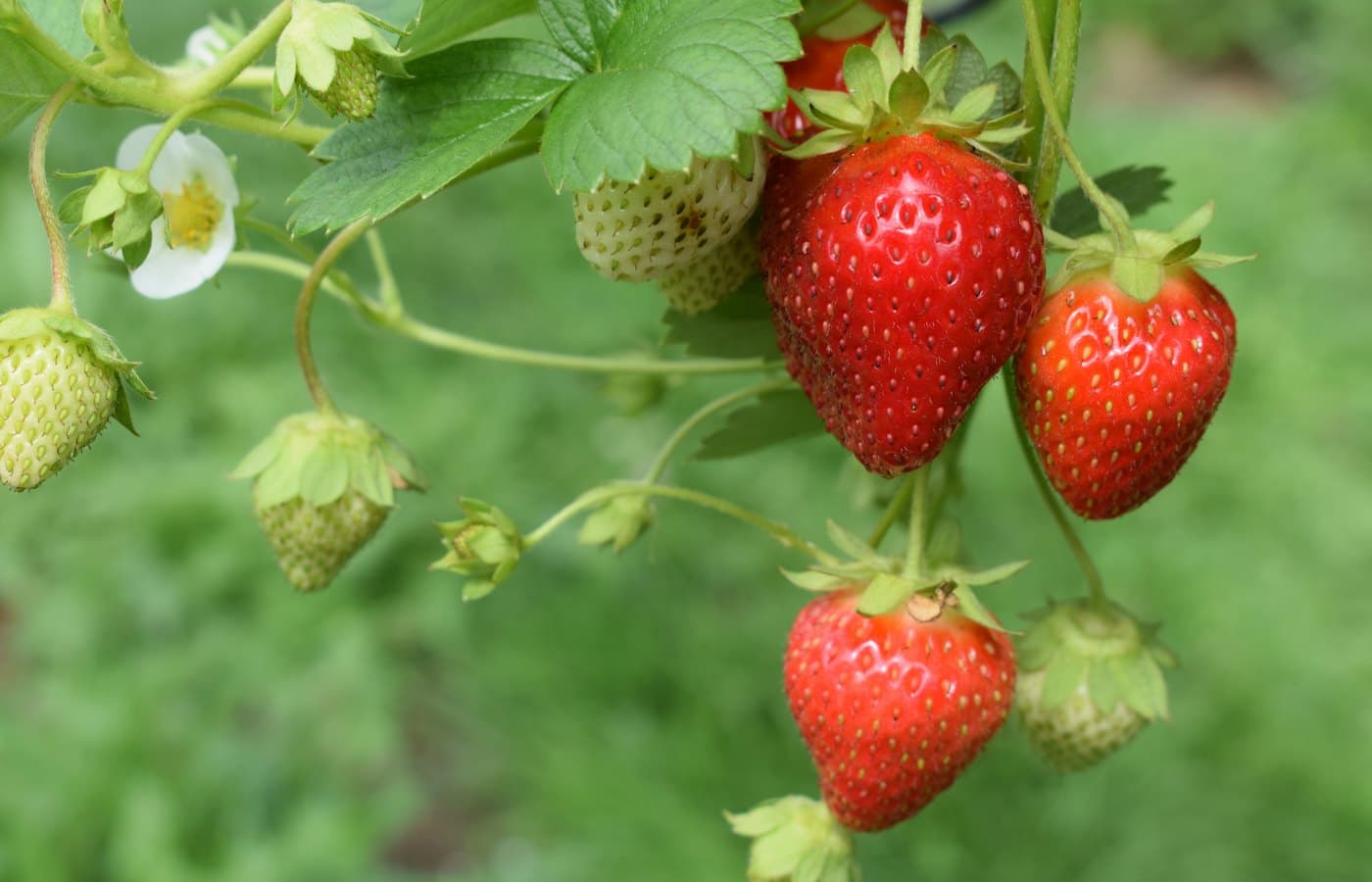
- 3. Strawberries
- 4. Grapes
- 5. Nectarines
- 6. Peaches
- 7. Cherries
- 8. Apples
- 9. Blackberries
- 10. Pears
- 11. Potatoes
- 12. Blueberries
What is on the 2026 Clean Fifteen list?
These fifteen had the lowest residues in EWG's 2026 analysis. EWG reports that almost 60 percent of Clean Fifteen samples had no detectable pesticide residues.
In rank order: pineapples, sweet corn (fresh and frozen), avocados, papaya, onion, sweet peas (frozen), asparagus, cabbage, cauliflower, watermelon, mangoes, bananas, carrots, mushrooms and kiwi.
EWG adds one note to this list: a small amount of the sweet corn and papaya sold in the United States is grown from genetically modified seed, so buy organic versions of those if that matters to you.
How does EWG make the lists?
EWG does not test produce itself. For 2026 it analyzed USDA residue tests on 54,344 samples of 47 fruits and vegetables. EWG notes that the samples are peeled or scrubbed and then washed before testing, so the results reflect produce roughly as you would eat it.
It ranks each item on four factors: the number, presence and amount of pesticides found, plus a pesticide toxicity factor that EWG added in 2025. EWG says 75 percent of non-organic samples had residues, and more than 95 percent of Dirty Dozen samples did.
EWG also adds green beans and peppers as a note alongside the twelve, because they ranked high on its toxicity measure.
What do the USDA and EPA say about the same data?
The data come from the USDA Pesticide Data Program (PDP), which tests foods each year with a focus on those eaten by infants and children. USDA published its 2024 summary on January 6, 2026. It covered 9,872 samples from 19 commodities and found that more than 99 percent had residues below the benchmark levels set by the Environmental Protection Agency (EPA).
Those benchmarks are called tolerances. EPA says it sets a tolerance only after finding a reasonable certainty of no harm, and that its dietary risk assessments account for the fact that infants and children eat more food for their size than adults. Under the Food Quality Protection Act, EPA applies an additional safety factor, tenfold unless data support a different one, to protect children.
EPA's summary is the counterweight to the word dirty: the presence of a detectable pesticide residue does not mean the residue is at an unsafe level, and PDP detects residues at levels far lower than those considered health risks.
What is the main criticism of the Dirty Dozen?
The most cited critique is a 2011 paper in the Journal of Toxicology by Carl Winter and Josh Katz of the University of California, Davis. They estimated actual consumer exposure to the ten most frequently detected pesticides on each of the twelve items on that year's list and compared it with established chronic reference doses.
They found all exposure estimates well below the reference doses, and concluded that swapping organic for conventional versions of the twelve items would not appreciably reduce consumer risk. Their central objection was that the ranking counted detections and did not measure exposure against a toxicity threshold.
Two things have changed since. That paper examined the 2010 list, and EWG's method now includes a toxicity factor. EWG also argues that regulators assess pesticides one at a time while people are exposed to mixtures, and that some past EPA limits were later judged too high. Readers should know both positions exist. Neither side says conventional produce should be avoided.
How to use the lists without eating less produce
EWG states that the guide should not discourage people from buying and eating produce, and that a diet high in fruits and vegetables, organic or conventional, is important for health. Start there.
Does organic produce mean no pesticides?
No. USDA Organic rules restrict which substances a farm may use. USDA's National List works like this for crops: natural substances are allowed unless specifically prohibited, and synthetic substances are prohibited unless specifically allowed. That is a shorter list, not an empty one.
EWG reports that many studies connect a diet high in organic food with lower exposure to synthetic pesticides. Whether that lower exposure changes health outcomes is a separate question, which we cover in is organic food healthier.
If you want organic produce without a second shopping trip, our page on organic produce delivery lists services and how each is certified.
Questions people ask
Should I avoid conventional produce on the Dirty Dozen?
No. EWG itself says the guide should not discourage people from eating produce and that fruits and vegetables matter for health whether organic or conventional. USDA reports that more than 99 percent of samples in its 2024 testing were below EPA limits. The list is a tool for choosing where to buy organic if you want to, not a list of foods to drop.
Does washing remove pesticide residues?
Partly. EWG says washing lowers pesticide residues, dirt and bacteria but does not remove pesticides entirely. Keep in mind that USDA samples are already peeled or scrubbed and then washed before they are tested. FDA advises rinsing produce under plain running water before peeling, rubbing it gently, and skipping soap and produce washes.
Does the Dirty Dozen change every year?
Yes, as USDA tests different crops on a rotating basis and EWG updates its method. In 2026 EWG notes that potatoes joined the list on new data, and that blackberries hold ninth place based on USDA testing that began in 2023. Check the year on any list you see shared, because older versions circulate for a long time.
Is the Dirty Dozen a government list?
No. It is published by the Environmental Working Group, a nonprofit advocacy organization. The underlying residue tests are done by the USDA Pesticide Data Program, and the legal residue limits, called tolerances, are set by EPA, and FDA tests foods for compliance with them. USDA and EPA do not rank produce as dirty or clean.
Sources
Each page was opened and read on October 11, 2026.
- Environmental Working Group: 2026 Shopper's Guide to Pesticides in Produce, The Report
- Environmental Working Group: The 2026 Dirty Dozen
- Environmental Working Group: The 2026 Clean Fifteen
- USDA Agricultural Marketing Service: USDA Publishes 2024 Pesticide Data Program Annual Summary (January 6, 2026)
- EPA: Setting Tolerances for Pesticide Residues in Foods
- EPA: Food and Pesticides
- National Library of Medicine (PMC): Winter and Katz, Dietary Exposure to Pesticide Residues from Commodities Alleged to Contain the Highest Contamination Levels, Journal of Toxicology, 2011
- FDA: 7 Tips for Cleaning Fruits, Vegetables
- USDA Agricultural Marketing Service: The National List