Organic Food & Pantry
Organic Produce Delivery
A produce box is organic only if the fruit and vegetables in it are certified organic, and many delivery services mix organic and conventional items. Look for a plain statement that all the produce is certified organic, the name of the certifier, and a clear line between the produce and any add-on groceries.
What organic means here
Fresh produce can be certified to the USDA organic regulations, so that is the standard here. We list services whose own pages say that all the produce they deliver is certified organic, or farms that name their certifier. Services that sell a mix of organic and conventional produce are not listed as picks.
Look for
- A statement that all of the produce is certified organic, not only "organic options"
- The certifier's name, such as CCOF or Oregon Tilth, on the site or the packing slip
- Whether add-on groceries (eggs, dairy, bread, jam) are covered by the organic claim
- Which farms grow the produce, and whether partner farms are certified too
Be wary of
- "Organic and sustainably grown" produce, which means some of it is not certified organic
- "Grown using organic practices" or "pesticide-free" with no certifier named
- Rescued or surplus produce boxes described as organic without saying how much of the box is
Products that carry the certification
We have not tested these products. Each one was checked against the brand’s own page and the certifier’s records. Product links may be affiliate links: if you buy through one we may earn a commission, at no extra cost to you. How we choose.
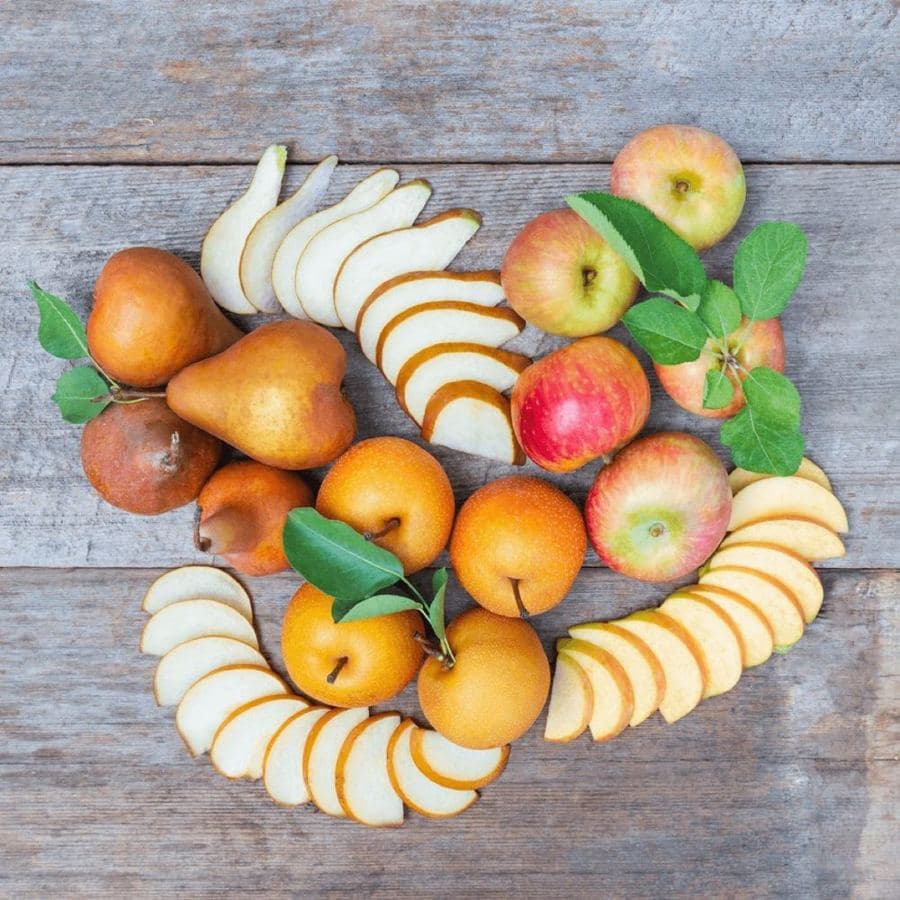
Photo: Frog Hollow Farm 1Frog Hollow FarmSeasonal fruit, shipped nationwideFarm Box Membership
A recurring box of seasonal fruit from a California farm certified organic by CCOF, the certifier named on its certifications page. The farm also lists Real Organic Project certification. Boxes ship nationwide on a weekly, biweekly or monthly schedule.
Good to know: Fruit only, with two varieties per box. The farm says it sometimes includes fruit from organic partner farms in California, so not every piece is grown on its own land.
Checked against: froghollow.com · froghollow.com
View at brand sitefroghollow.com
- 2Farm Fresh To YouAll produce certified organic
Organic Produce Boxes (Home Delivery)
A farm box service from the family behind Capay Organic. Its site says the farm is third-party certified organic by CCOF and that 100% of the produce it delivers is certified organic. Boxes can be customized, and deliveries can be skipped or rescheduled.
Good to know: The organic statement covers the produce. Add-on farm products such as eggs, dairy, jam and honey are not all described as organic. Delivery is limited to certain areas, so check your address on the site.
Checked against: farmfreshtoyou.com · farmfreshtoyou.com
View at brand sitefarmfreshtoyou.com
- 3Full CircleNamed West Coast partner farms
Organic Produce Boxes
A produce and grocery box service that began as an organic farm near North Bend, Washington in 1996. Its site states that 100% of the produce arriving in your box is certified organic, and it names the West Coast farms that supply it.
Good to know: The page does not name the certifier. The statement covers produce, not the specialty farm products and grocery basics sold alongside it. Delivery is limited to certain areas.
Checked against: fullcircle.com · fullcircle.com
View at Full Circlefullcircle.com
Products with a photo are shown first; otherwise the order says nothing about quality. Certifications can lapse: check the certifier’s database before you buy.
All-organic and partly organic boxes are different things
Delivery services fall into two groups. The first group delivers only certified organic produce and says so in one sentence you can quote. The second group sells a mix: some organic items, some conventional, sometimes sorted by a filter on the site. Both can use the word organic in a headline.
Neither model is wrong, but they are not the same purchase. If you are paying for organic, read the sourcing or FAQ page before you subscribe and look for the word "all" or a figure. If a service says it offers "organic and conventional" produce, expect each item in your box to be labeled one or the other, and check the labels when the box arrives.
If your budget only stretches to some organic produce, the Dirty Dozen and Clean Fifteen guide explains one way people choose where to spend it.
What certified organic means for fruit and vegetables
Under the USDA Organic rules, land must have had no prohibited substances applied to it for at least three years before an organic crop is harvested. Pests, weeds and disease are managed first through physical, mechanical and biological methods. A substance may be used only if it is approved on the National List.
Genetic engineering, ionizing radiation and sewage sludge are prohibited, and growers must use organic seed and planting stock when it is available. USDA notes that most raw, unprocessed farm crops can be labeled 100 percent organic.
Organic does not mean nothing was sprayed. It means anything used had to be on the approved list, and a certifier inspected the farm's plan and records.
Who has to be certified: the farm, the packer or the delivery company
Farms that sell produce as organic generally must be certified, with an exemption for very small sellers who still have to follow the rules. Operations that open, sort and repack produce are handlers, and handling organic food normally requires certification too.
The regulations exempt some businesses, including retail establishments that do not process organic products and operations that only move sealed, tamper-evident packages. So a delivery company may or may not hold its own certificate, depending on what it does with the food. The useful question to ask is simple: who is certified, and by which certifier.
How to check a produce box before you subscribe
- 1
Find the sentence
Look for a plain statement that all produce is certified organic. Marketing phrases such as "farm fresh" or "sustainably grown" are not that sentence.
- 2
Find the certifier
A certified farm or packer can tell you who certifies it. Common names include CCOF, Oregon Tilth and state agriculture departments.
- 3
Search the USDA database
Enter the farm or company name in the USDA Organic Integrity Database. It lists certified operations, their certifier and their current status.
- 4
Separate produce from groceries
Eggs, dairy, bread and pantry add-ons are certified item by item. Read each listing. For packaged goods, our organic snacks page covers the label tiers.
- 5
Check the box when it arrives
Organic items should be identified on the packing list, a sticker or a twist tie. If something is not marked, ask.
Questions people ask
Is all produce delivery organic?
No. Some services deliver only certified organic produce, and others sell a mix of organic and conventional items in the same box. The word organic in a company name or headline does not settle it. Look for a statement that all of the produce is certified organic, and confirm that each item in a mixed box is labeled.
Are CSA boxes certified organic?
Only if the farm is certified, or qualifies for the small-farm exemption and follows the organic rules. Community supported agriculture is a way of selling, not a growing standard. Ask the farm whether it is certified and by whom. A certified farm can be looked up by name in the USDA Organic Integrity Database.
Does a delivery company need its own organic certification?
It depends on what the company does. Under the USDA regulations, operations that repack or otherwise handle organic produce generally need certification, while those that only move sealed, tamper-evident packages and certain retail establishments are exempt. Either way, the produce itself must come from certified organic farms to be sold as organic.
Is organic produce grown without any pesticides?
Not necessarily. The USDA rules require growers to control pests first through management practices such as physical, mechanical and biological controls. When those are not enough, a biological, botanical or synthetic substance may be used if it is approved on the National List. Land must be free of prohibited substances for three years before harvest.
Is misshapen or surplus produce organic?
Sometimes. Boxes built around surplus or odd-looking produce are defined by appearance and supply, not by how the food was grown. Some of that produce is certified organic and some is conventional. Read the product listing for each item, and do not assume the whole box is organic unless the company says so directly.
Sources
Each page was opened and read on October 11, 2026.
Keep reading
 Food & PantryOrganic Meal KitsWhich meal kit and meal delivery services hold organic certification, and which only use some organic ingredients.
 Food & PantryOrganic Frozen FoodsCertified organic frozen vegetables, fruit, meals and ice cream, and how to read a freezer-aisle label.
 Food & PantryOrganic Dairy & EggsWhat USDA Organic requires for milk, butter, yogurt and eggs, and how cage-free, free-range and grass-fed differ.
 GuideDirty Dozen and Clean Fifteen (2026)The 2026 EWG lists in full, what USDA and EPA say about the same data, the main criticism, and how to use them.
 GuideIs organic food healthier?What the research shows about pesticide residues and nutrients in organic food, and what it has not shown about health.