Food & budget
Organic store brands: how they are labeled and certified
A store-brand product with the USDA Organic seal met the same federal rules as any name brand with that seal. The package will not always tell you who made it, but it must name the certifier. Here is what a few retailers say about their own lines, and how to check a claim yourself.
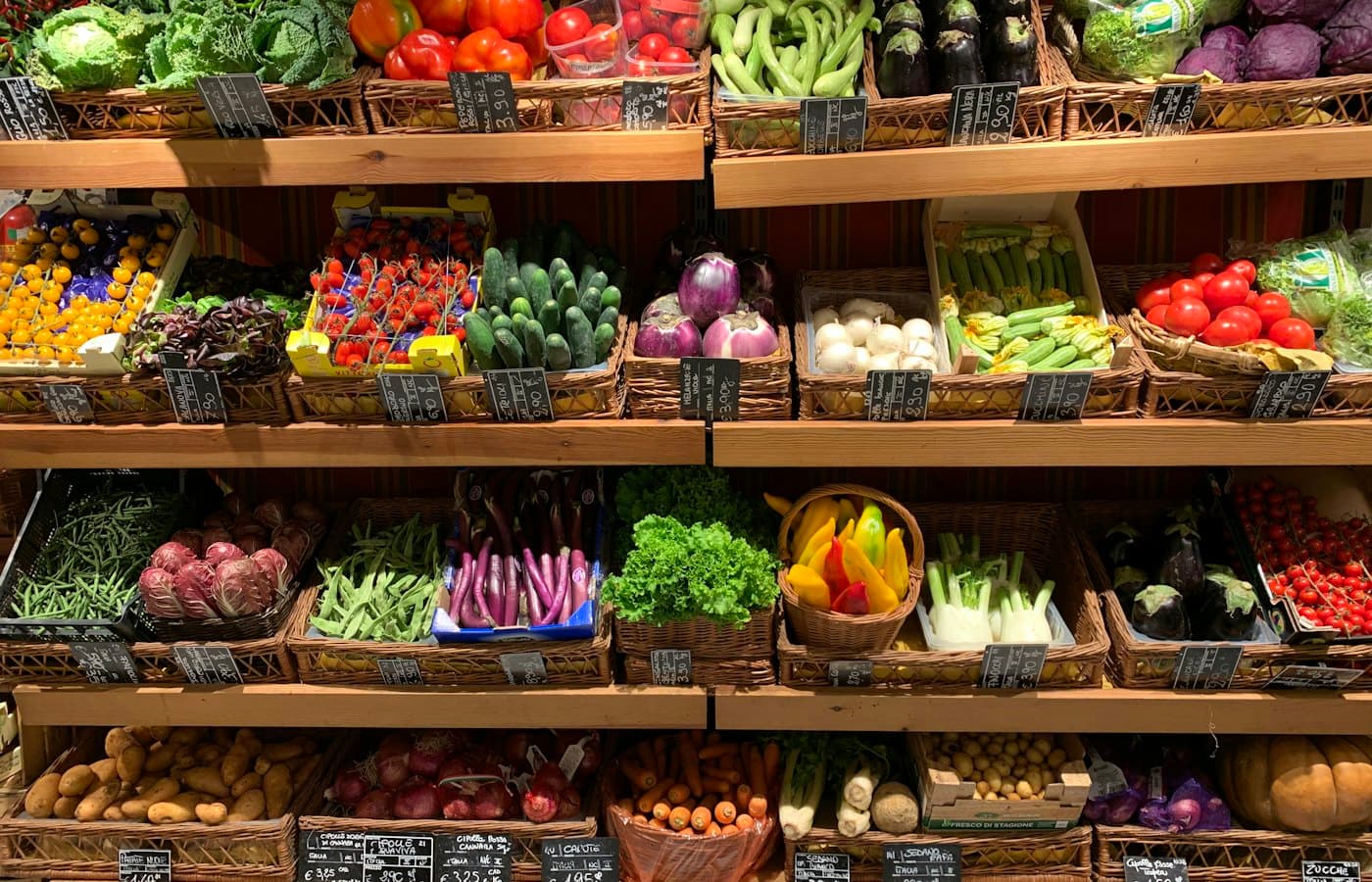
Are organic store brands held to the same standard?
Yes. The USDA Organic seal is an official mark protected by federal regulation and overseen by the National Organic Program. Only certified farms and businesses are authorized to use it, and the rules do not change with the name on the front of the package.
For a packaged food to be labeled "organic", the USDA requires at least 95 percent organic ingredients, not counting salt and water. The label itself has to be reviewed and approved by a USDA-accredited certifying agent before it is used. A store brand goes through that same review.
What does differ between brands is everything the seal does not cover: recipe, taste, packaging, sourcing choices and any extra certifications. We have not tasted or compared any of these products, so this guide stays with what the label and the regulations say.
Who makes organic store brands?
In most cases the package does not say, and neither do we. A store-brand label usually identifies the retailer as the distributor. Retailers generally do not publish the names of the companies that produce their private label foods, and supplier lists passed around online are not something we can confirm.
The organic rules do require one useful disclosure. Under the federal labeling regulation, a packaged product labeled "organic" must show, on the information panel below the name of the handler or distributor, the statement "Certified organic by" followed by the name of the certifying agent that certified the handler of the finished product.
So you can always learn who vouched for the product, even when you cannot learn who packed it. For most shoppers that is the more important name.
What retailers say about their own organic lines
We opened each retailer's own website in October 2026 and recorded only what it says about its own brand. Other chains sell organic store brands too. They are left out here because we could not open their pages to confirm the wording, not because of anything about their products.
| Retailer | Store brand | What the retailer's site shows |
|---|---|---|
| ALDI | Simply Nature | ALDI says products in the line are either USDA Certified Organic or vetted for non-GMO ingredients, so not every item is organic. Look for the seal. |
| Costco | Kirkland Signature | Organic items carry "Organic" in the product name, and the listing we opened shows "USDA Organic" as a product feature. |
| Target | Good & Gather | Organic items carry "Organic" in the product name. The listing page we opened did not state certification details, so read the package. |
| Whole Foods Market | 365 by Whole Foods Market | Organic items carry "Organic" in the product name. The retailer also describes itself as a certified organic national grocer. |
How to check a store-brand organic claim yourself
- 1
Find the seal or the exact wording
The round USDA seal may appear only on products in the "100 percent organic" and "organic" categories. A product that says "made with organic" oats or tomatoes needs at least 70 percent organic ingredients and may not show the seal. Our guide to reading a USDA organic label covers all four tiers.
- 2
Find "Certified organic by"
Turn to the information panel, near the ingredient list and the distributor's name. The certifier named there is the USDA-accredited agent responsible for the finished product.
- 3
Read the ingredient list
On a product labeled "organic", each organic ingredient is identified with the word organic or with an asterisk that is explained below the list.
- 4
Look up the operation if you want to go further
The USDA's Organic Integrity Database lists certified operations and also shows operations whose certification has been suspended or revoked. A suspended or revoked operation cannot sell, label or represent its products as organic.
Does the grocery store itself have to be certified organic?
Usually not. The USDA lists retail establishments that sell directly to consumers and do not process organic products among the operations that may not need certification. Stores that only process organic products at the final point of sale, such as a deli or salad bar, are also on that list.
The exemption covers the store's own handling. It does not loosen the rules for the packaged product on the shelf, which had to be produced, handled and labeled under certification before it arrived. The USDA also notes that exempt operations must still follow the parts of the organic regulations that apply to them, and that any business may choose to be certified voluntarily.
What the seal on a store brand does not tell you
Store brands show up in nearly every aisle we cover, including organic dairy and eggs, organic canned beans, tomatoes and broth and organic snacks. If cost is the reason you are looking at them, see eating organic on a budget.
- Which farm or factory produced it. The label names the distributor and the certifier.
- Whether the whole brand family is organic. Several retailers sell organic and non-organic items under closely related names, and some lines mix organic products with Non-GMO Project Verified ones.
- Anything about nutrition. Organic rules cover how ingredients are grown and handled. Sugar, sodium and serving size are on the Nutrition Facts panel.
- What words like natural mean. They are not the same claim, as we explain in organic vs natural vs non-GMO.
Questions people ask
Is store-brand organic food lower quality than name-brand organic?
The organic standard is identical. Both must meet the USDA organic regulations and both labels are approved by a USDA-accredited certifying agent. Quality in the everyday sense, such as flavor, texture or how a recipe is put together, is outside what the seal measures, and we have not compared products side by side. Read the ingredient list and decide from there.
Can I find out which company makes a store brand's organic products?
Not reliably from the package. The label has to identify the handler or distributor, which for a store brand is usually the retailer, and the certifying agent that certified the handler of the finished product. Retailers generally do not publish their suppliers. We do not repeat supplier claims that we cannot confirm on the retailer's own site.
Why does my store-brand label name a certifier I have never heard of?
The USDA accredits certifying agents, and those agents are the ones authorized to certify farms and businesses to the organic standards. Most are accredited directly by the National Organic Program, and others are authorized through agreements with foreign governments, so the name after "Certified organic by" varies from product to product. The USDA's Organic Integrity Database includes a profile for each certifier with its accreditation documents.
Does every product in a store's organic-sounding brand carry the USDA seal?
No. Check each package. ALDI, for example, says products in its Simply Nature line are either USDA Certified Organic or vetted for non-GMO ingredients, which means some items in the line are not organic. The seal, or the word organic in the product name together with a "Certified organic by" line, is what tells you about the item in your hand.
Sources
Each page was opened and read on October 11, 2026.
- USDA Agricultural Marketing Service: Labeling Organic Products
- USDA Agricultural Marketing Service: The Organic Seal
- eCFR: 7 CFR 205.303, Packaged products labeled "100 percent organic" or "organic"
- USDA Agricultural Marketing Service: Do I Need to Be Certified Organic?
- USDA Agricultural Marketing Service: Organic Enforcement
- USDA Agricultural Marketing Service: Organic Certifying Agents
Product pages this guide supports
 Food & PantryOrganic Dairy & EggsWhat USDA Organic requires for milk, butter, yogurt and eggs, and how cage-free, free-range and grass-fed differ.
 Food & PantryOrganic Canned Beans, Tomatoes & BrothCertified organic canned beans, tomatoes and broth, with what each brand says about its can lining.
 Food & PantryOrganic SnacksCertified organic bars, crackers and popcorn, and what the seal does not tell you about sugar, salt and allergens.