Food, wine, body care
Demeter Biodynamic: what the certification covers
Demeter Certified Biodynamic is a whole-farm certification. A farm must first meet the USDA National Organic Program requirements as a base, then follow the Biodynamic Farm Standard: at least 10% of the land kept as a biodiversity reserve, fertility generated mostly on the farm, and use of the nine biodynamic preparations. In the United States it is run by Demeter USA.
What it certifies
- The entire farm: single fields or crops cannot be certified on their own
- National Organic Program requirements as the base, with some permitted inputs further restricted
- A biodiversity reserve of at least 10% of the farm's total effective land base
- Use of the biodynamic preparations, numbered 500 to 508
- Livestock housing, feed and welfare rules
- Processed foods and wine made to Demeter's processing and labeling standards
What it does not
- The USDA Organic seal: that is a separate certification, so look for it separately
- Any claim that biodynamic food is more nutritious or better for your health
- The word "biodynamic" used loosely: in the United States, Biodynamic and Demeter are certification marks held by Demeter
- Products with under 70% biodynamic ingredients, which may not show the Demeter logos
How to check a claim
Look for the Demeter logo or the words Demeter Certified Biodynamic on the package. Then search for the farm or brand in the Biodynamic Directory linked from the certification page on the Demeter USA website. On wine, check which of the two wine categories the label states.
What the Biodynamic Farm Standard requires
Demeter was formed in Europe in 1928 to put Rudolf Steiner's farming principles into a standard. In the United States the certifier is Demeter Association, Inc., known as Demeter USA. The Biodynamic Farm Standard posted on its site carries a cover date of March 2023.
The base layer is organic. The standard says a farm must first meet the requirements of the National Organic Program, and that some inputs the program permits are not permitted, or are further restricted, by Demeter. Read our USDA Organic page for what that base includes.
- Whole farm: only an entire farm is considered for certification. Parallel production and partial farm certification are not allowed.
- Biodiversity: at least 10% of the farm's total effective land base is set aside as a biodiversity reserve, such as forest, wetland, riparian corridors or planted insectaries.
- Rotation: no annual crop may be planted in the same field for more than two years in a row, and bare tillage year-round is prohibited.
- Fertility from the farm: fertility and pest control should come from the farm itself through livestock, compost, green manure and crop rotation. Imported fertility is limited and approved case by case.
- Preparations: the nine biodynamic preparations, made from herbs, mineral substances and animal manures, must be used in field sprays and compost.
- Livestock: poultry cages are prohibited, outdoor access is required, and the standard prohibits antibiotic use. At least half of an animal's feed must come from the farm.
The label tiers on food and wine
Demeter's Labeling Standards (revision 2022) set what a package may say. Raw crops from a certified farm can be labeled Demeter Certified Biodynamic. For processed products, the tier depends on the share of biodynamic ingredients.
Wine has its own two categories, and both require 100% Demeter Certified Biodynamic grapes. The difference is in the cellar: Biodynamic Wine does not permit added yeast, enzymes, tannin or acidity adjustment, while Wine Made From Biodynamic Grapes allows more winemaking adjustments under the Demeter wine making standard.
| Label | Biodynamic content | Rest of the product |
|---|---|---|
| Demeter Certified Biodynamic | At least 90% | Remaining agricultural ingredients certified organic at minimum |
| Made with Demeter Certified Biodynamic (ingredients) | 70% to under 90% | Remaining agricultural ingredients certified organic at minimum |
| Ingredient statement only, no Demeter logos | 10% to 70% | Product must meet the organic program's 95% labeling requirements |
Who certifies, and how often
Demeter USA describes itself as the only certifier for Biodynamic farms and products in the United States. A farm must renew its certification every year. Renewal depends on a completed renewal packet and a satisfactory on-site farm evaluation carried out during the growing season, and Demeter may also make random unannounced visits.
A farm that is still changing over can be listed as in conversion. Labels on products with in-conversion ingredients must add the words In-Conversion to the Demeter marks.
How Demeter Biodynamic compares with organic and regenerative labels
Organic certification can cover part of a farm. Demeter certifies the whole farm or nothing. It also adds requirements organic does not have: the 10% biodiversity reserve, the limits on bringing in outside fertility and the preparations. Demeter says it has sixteen processing standard categories, where the National Organic Program has one.
Regenerative Organic Certified is the label people most often confuse it with. Both start from organic. Regenerative Organic Certified adds a pillar on fairness for farmers and workers and has three levels. Demeter has no levels and centers on the farm as a self-contained system.
You are most likely to meet the Demeter logo on wine, on tea and herbs, and on some face care products, which follow separate cosmetic labeling rules.
Questions people ask
Is Demeter Biodynamic the same as organic?
No, though it starts there. Demeter's Farm Standard says a farm must first meet National Organic Program requirements as a base. It then adds its own rules, including whole-farm certification, a 10% biodiversity reserve and the biodynamic preparations. The USDA Organic seal is still a separate certification, so a package needs to show it for you to know the product is certified organic.
What are the biodynamic preparations?
They are nine preparations, numbered 500 to 508, made from herbs, mineral substances and animal manures. Farmers apply them in very small doses as field sprays and as additions to compost. Using them is a requirement of the Biodynamic Farm Standard. The standard describes their purpose in farming terms: supporting soil life, root growth and humus formation.
What does "Made with Biodynamic ingredients" mean on a label?
It is the second tier. The product contains at least 70% but under 90% Demeter Certified Biodynamic ingredients. The label may name no more than three food groups, the remaining agricultural ingredients must be certified organic at a minimum, and some of the Demeter marks may not appear on the front of the package.
What is the difference between Biodynamic Wine and wine made from Biodynamic grapes?
Both use only Demeter Certified Biodynamic grapes. Biodynamic Wine is the stricter category: Demeter's labeling standards say additions such as yeast, malolactic bacteria, enzymes, tannin and acidity adjustment are not permitted. Wine Made From Demeter Certified Biodynamic Grapes allows the winemaker more intervention within the Demeter wine making standard.
Sources
Each page was opened and read on October 11, 2026.
Where this label matters most
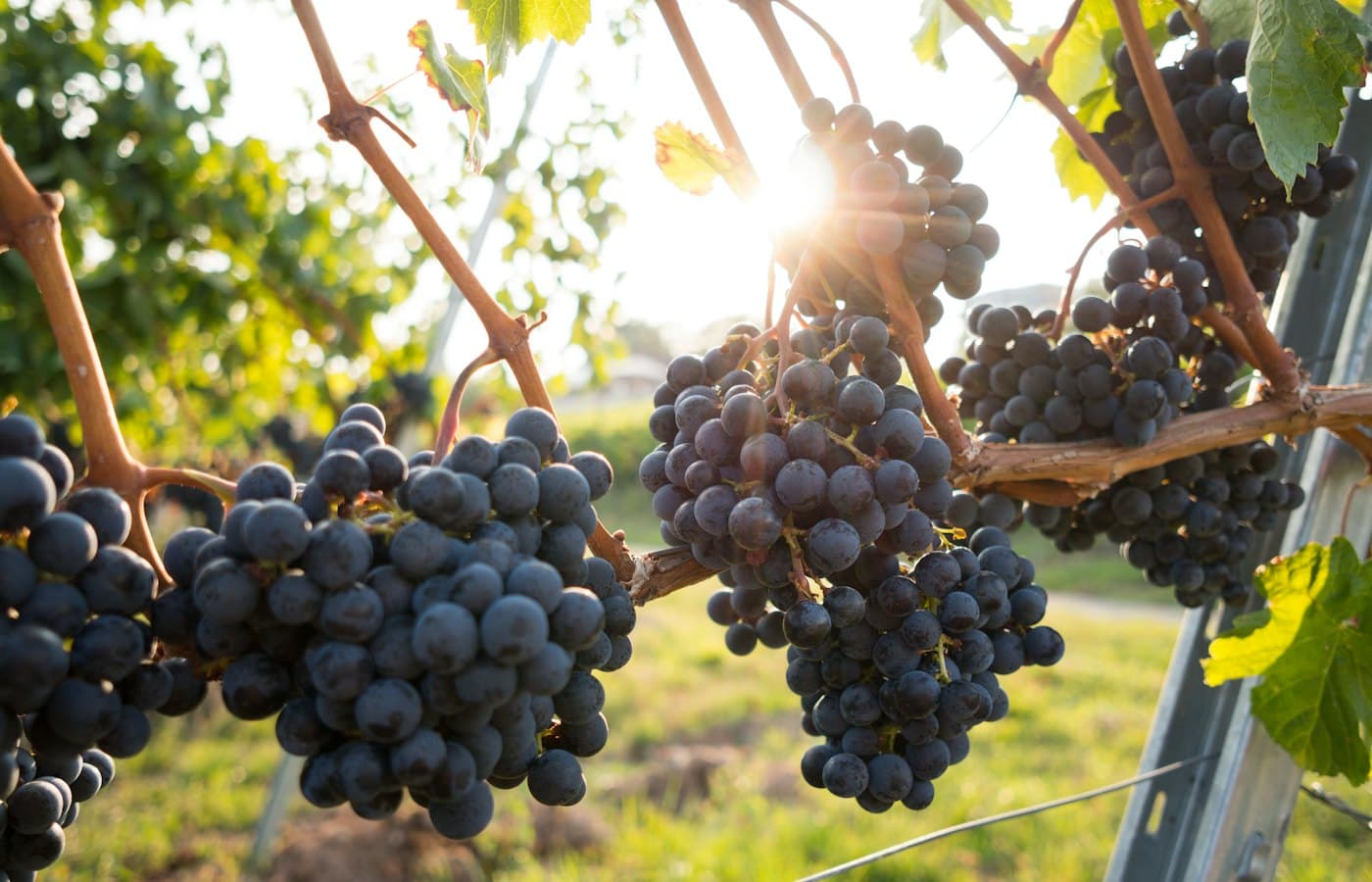 DrinksOrganic Wine"Organic wine" and "made with organic grapes" are two different legal labels. Each pick says which it is.
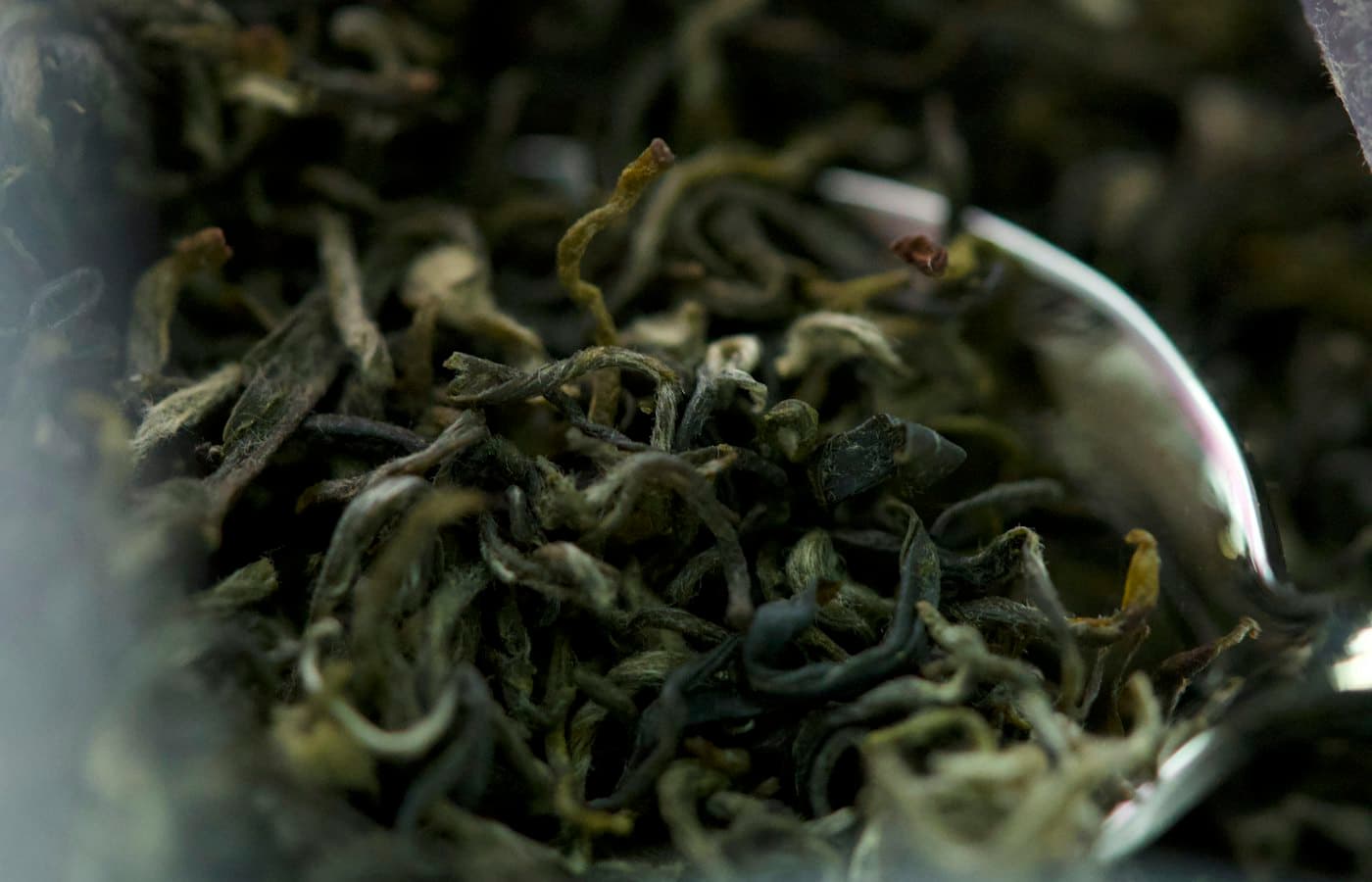 DrinksOrganic TeaUSDA Organic black, green, oolong and herbal teas, with fair trade labels noted where confirmed.
 Skincare & BeautyOrganic Face CareFace oils and creams sorted by what they are certified to: USDA Organic, COSMOS Organic, NSF/ANSI 305 or MADE SAFE.