Organic Drinks
Organic Wine
In the United States, "organic wine" and "made with organic grapes" are separate label categories. Organic wine has no added sulfites and may carry the USDA Organic seal. Wine made with organic grapes may contain added sulfur dioxide up to 100 parts per million and may not carry the seal. The back label tells you which one you are holding.
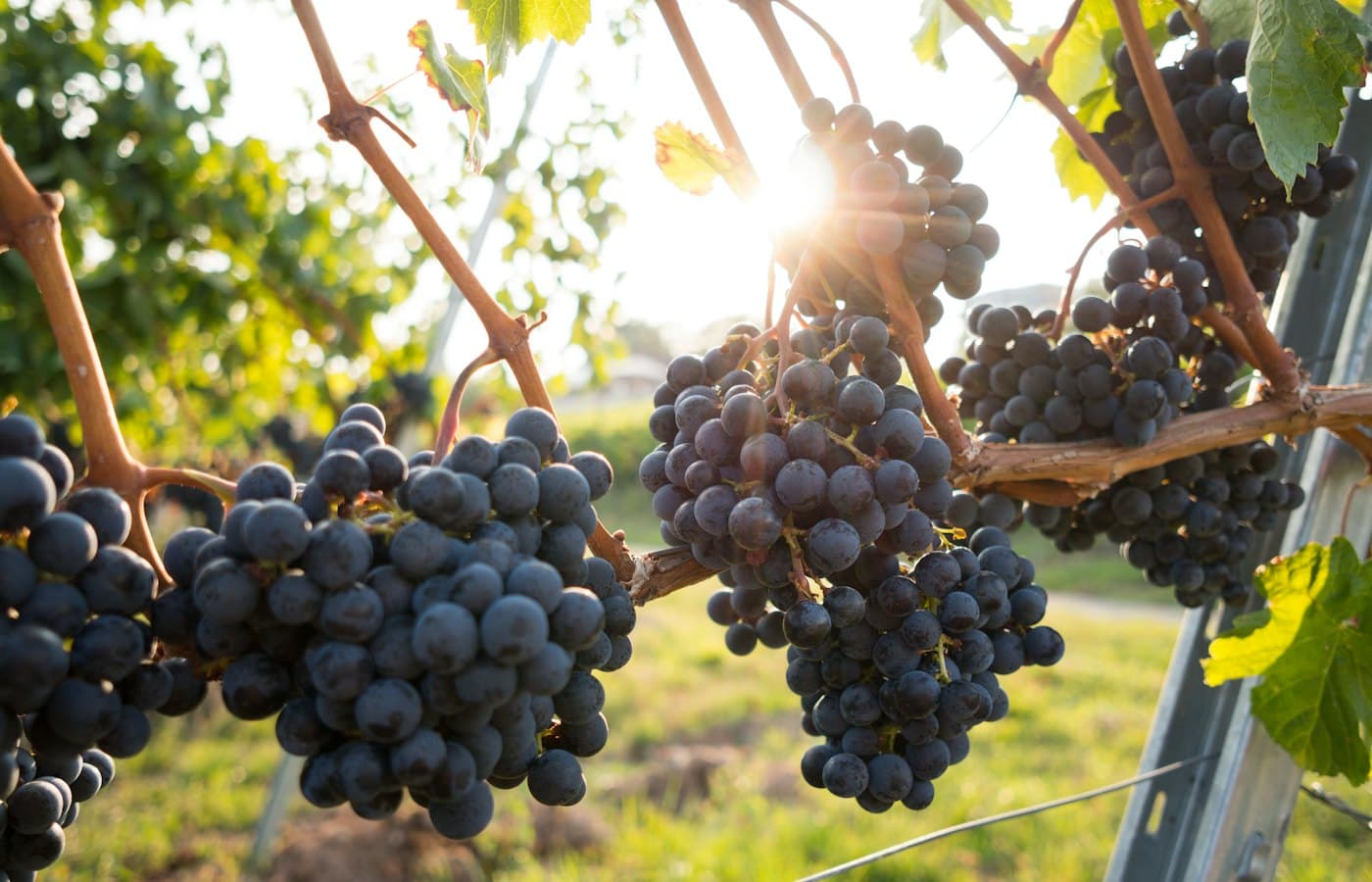
What organic means here
This page lists wines that the maker states are either USDA Organic ("organic wine", no added sulfites) or "made with organic grapes" (certified organic grapes, sulfites allowed up to 100 parts per million, no seal). Every pick is tagged with its category. Certification covers farming and winemaking inputs, not taste or quality. For adults of legal drinking age.
Look for
- The exact phrase on the label: "organic" or "made with organic grapes"
- "Certified Organic by" followed by a certifier's name, printed below the bottler or importer's name and address
- The USDA Organic seal, which is allowed only on wine in the "organic" and "100% organic" categories
- The sulfite statement: "contains sulfites" is required on wine made with organic grapes that has them added
Be wary of
- "Organically farmed", "natural" or "sustainable" with no certifier named anywhere on the bottle
- A front label that says "organic" beside a brand name while the back label says only "made with organic grapes"
- "Low sulfites" used as if it were a certification: it is a description, not a label category
Products that carry the certification
We have not tested these products. Each one was checked against the brand’s own page and the certifier’s records. Product links may be affiliate links: if you buy through one we may earn a commission, at no extra cost to you. How we choose.
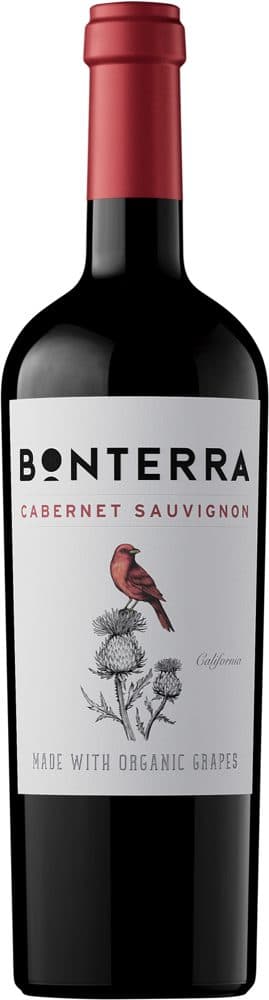
Photo: Bonterra Organic Estates press kit 1Bonterra Organic EstatesMade with organic grapesBonterra Cabernet Sauvignon
- Certified B Corporation
Label category: made with organic grapes. The product page lists it as made with 100% certified organic grapes and describes it as low in sulfites. The winery says its organic claims are verified by California Certified Organic Farmers (CCOF) and that it is a Certified B Corporation.
Good to know: Not "organic wine": this category allows added sulfites and cannot carry the USDA Organic seal. B Corp is a company certification, not an organic one.
Checked against: bonterra.com · bonterra.com
View at brand sitebonterra.com
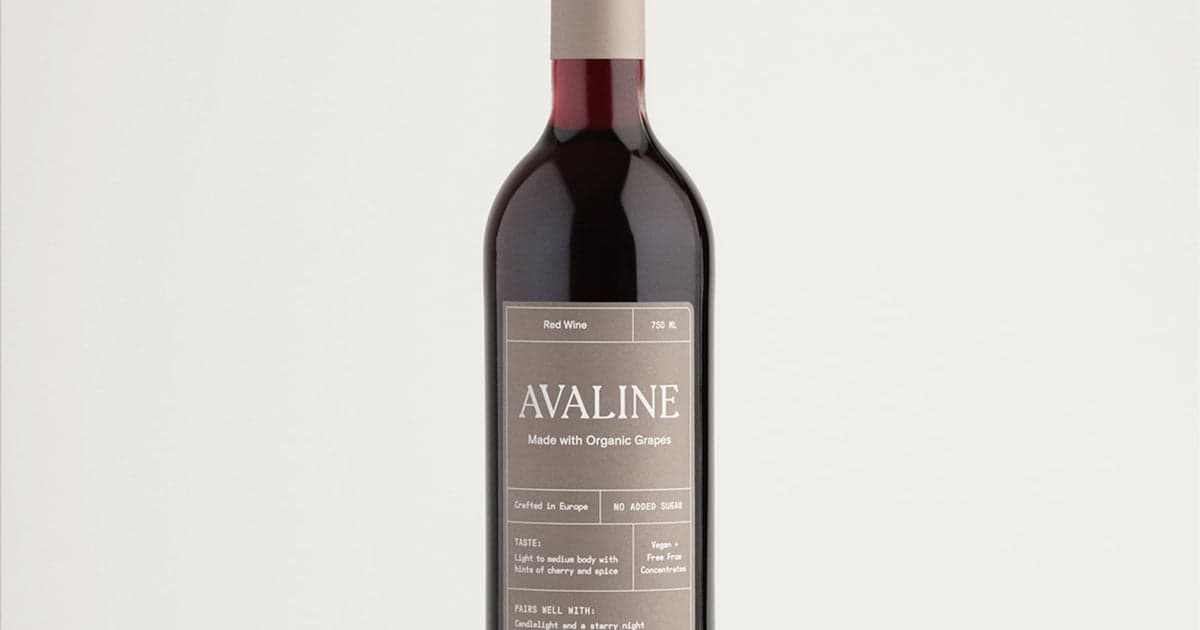
Photo: Avaline 2AvalineMade with organic grapes, importedAvaline Red
Label category: made with organic grapes. The product page lists three ingredients: organic grapes, sulfites and yeast. The brand's FAQ says its European producers hold organic certification, that it adds sulfites, and that it keeps the total under 100 parts per million.
Good to know: Carries no USDA Organic seal: wine in this category is not allowed to. Listed for its certified organic grapes and its published ingredient list. Sulfites are added.
Checked against: drinkavaline.com · drinkavaline.com
View at Avalinedrinkavaline.com
- 3Frey VineyardsOrganic wine, no sulfites added
Frey Organic wines
Label category: organic wine. The winery describes its wines as USDA Organic and made without added sulfites since 1980, fermented on certified organic yeast. Its sulfite page says the wines usually range from 0 to 5 parts per million of naturally occurring sulfites.
Good to know: The winery also sells a separate Biodynamic line. No added sulfites does not mean zero sulfites, since fermentation produces small amounts.
Checked against: freywine.com · freywine.com
View at brand sitefreywine.com
- 4Our Daily WinesOrganic wine, bottle or box
Our Daily Red and Our Daily Cab
Label category: organic wine. The brand states its wines are USDA Organic Certified, made from grapes grown in organic vineyards in California's Central Valley, with no sulfites added. The red blend and the Cabernet Sauvignon come in bottles and in a 1.5 liter box with the same certification.
Good to know: The brand says "no detectable sulfites", which is its own wording, not a label category. Two wines only.
Checked against: ourdailywines.com · ourdailywines.com
View at brand siteourdailywines.com
Products with a photo are shown first; otherwise the order says nothing about quality. Certifications can lapse: check the certifier’s database before you buy.
Organic wine vs made with organic grapes
Wine sold in the United States has to follow two sets of rules at once: the USDA Organic regulations and the labeling rules of the Alcohol and Tobacco Tax and Trade Bureau (TTB). The TTB treats any use of the word "organic" on a bottle as an organic claim and applies the USDA rules to it.
The difference between the two main categories comes down to sulfites and the seal. The table shows what the USDA Agricultural Marketing Service and the TTB say about each.
| Organic wine | Made with organic grapes | |
|---|---|---|
| Organic content | At least 95% organic ingredients | At least 70% organic ingredients, and no non-organic grapes |
| Added sulfites | None allowed | Sulfur dioxide only, total sulfites up to 100 ppm |
| USDA Organic seal | Allowed | Not allowed |
| Certifier statement | "Certified Organic by" and the certifier's name | "Certified Organic by" and the certifier's name |
The sulfite rule in plain terms
Sulfites are used in winemaking as a preservative. The USDA says any use of added sulfites makes a wine eligible only for the "made with" category, and that such a wine may not use the USDA Organic seal.
For wine made with organic grapes, the TTB says sulfur dioxide is the only sulfiting agent allowed, the total sulfite concentration must not exceed 100 parts per million, and the sulfites must be disclosed on the label. Wine labeled as made with another organic fruit, such as apples, may not contain added sulfites at all.
"No added sulfites" is not the same as sulfite-free. Fermentation produces some sulfites on its own, which is why the rule is written around what the winemaker adds.
How to read the back label
- 1
Find the organic phrase
Look for the word "organic" on its own or the phrase "made with organic grapes". Variations such as "made with organically grown grapes" belong to the second category.
- 2
Find the certifier
A "Certified Organic by" line must sit below the name and address of the bottler or importer. The TTB says a certifier's logo alone does not meet this requirement.
- 3
Check for the seal
The USDA Organic seal appears only on wine in the "organic" or "100% organic" categories. Its absence on a "made with organic grapes" bottle is the rule, not a red flag.
- 4
Look the maker up
The USDA Organic Integrity Database lists certified operations by name. Our guide on how to read a USDA organic label explains the label tiers in more detail.
Imported, biodynamic and other terms
Wine imported from the European Union with organic labeling must comply with the USDA labeling rules, according to the TTB. That is why a bottle sold as organic wine in Europe can arrive in the United States labeled "made with organic grapes": if sulfites were added, the stricter US category is closed to it.
Biodynamic and regenerative claims are separate programs with their own certifiers. See our pages on Demeter Biodynamic and Regenerative Organic Certified for what each one adds. Terms such as "sustainable" describe farming practices and are not organic certifications.
This page is for adults of legal drinking age. If you are looking for organic drinks without alcohol, see organic juice.
Questions people ask
What is the difference between organic wine and wine made with organic grapes?
Organic wine contains at least 95 percent organic ingredients, has no added sulfites and may carry the USDA Organic seal. Wine made with organic grapes must use only organic grapes but may have sulfur dioxide added, as long as total sulfites stay at or under 100 parts per million. It may not carry the seal. Both must name their certifier on the label.
Does organic wine contain sulfites?
It can contain small amounts that form naturally during fermentation, but none may be added. The USDA says any use of added sulfites moves a wine out of the organic category and into "made with organic grapes". If you need to avoid sulfites for a medical reason, talk with your doctor, because no added sulfites does not mean zero.
Why does a wine made with organic grapes not show the USDA Organic seal?
Because the rules do not allow it. The TTB states that the USDA organic seal, or a foreign equivalent, is not allowed on wine labeled as made with organically grown grapes. The grapes are still certified organic, and the label must still say "Certified Organic by" with the certifier's name.
Is European organic wine the same as organic wine in the United States?
Not on the label. The United States and the European Union have an organic equivalence arrangement, but the TTB says wine imported from the EU with organic labeling must comply with USDA labeling requirements. For a wine labeled "organic", the EU control body has to verify that sulfur dioxide was not added.
Who checks organic claims on a wine label?
Two parties. The USDA says all organic alcohol labels must be reviewed by an organic certifying agent and by the TTB. The certifier reviews the label against the winery's organic certification, and the TTB reviews it as part of label approval. The certifier's name on the bottle tells you who did the first check.
Sources
Each page was opened and read on October 11, 2026.
Keep reading
 DrinksOrganic Beer & SpiritsBeer and spirits whose makers state an organic certification, and how to check the claim on the label.
 DrinksOrganic JuiceUSDA Organic juices, what "from concentrate" means, and the juice rules for babies and young kids.
 DrinksOrganic KombuchaUSDA Organic kombucha, what the seal covers, and the federal 0.5% alcohol line.
 GuideHow to read a USDA Organic labelThe four USDA organic label tiers, which ones may carry the seal, and where the certifier's name is printed.