Organic Drinks
Organic Beer & Spirits
Organic beer and spirits follow the same USDA rules as organic food, plus the labeling rules of the Alcohol and Tobacco Tax and Trade Bureau. A bottle labeled "organic" needs at least 95 percent organic ingredients and a named certifier. "Made with organic" grain or fruit is a lower tier that cannot carry the USDA Organic seal.
What organic means here
This page lists beer and spirits whose makers state a certified organic status on their own sites: USDA Organic for United States producers, or Soil Association organic certification for one imported beer, which we say plainly. Certification covers the grain, fruit, hops and processing. It says nothing about taste or strength. For adults of legal drinking age.
Look for
- "Certified Organic by" and a certifier's name below the brewer, bottler or importer's address
- The word "organic" in the product name itself, not only in an ingredient list
- The USDA Organic seal on beer and spirits in the "organic" category
- On imports, which country's organic program certified the brewery or distillery
Be wary of
- "Made with organic corn" or "organic agave" where only one ingredient is certified and the bottle carries no seal
- "Craft", "natural" or "small batch" used beside farm imagery with no certifier named
- A brewery that makes both organic and conventional beers: check each can, not the brand
Products that carry the certification
We have not tested these products. Each one was checked against the brand’s own page and the certifier’s records. Product links may be affiliate links: if you buy through one we may earn a commission, at no extra cost to you. How we choose.
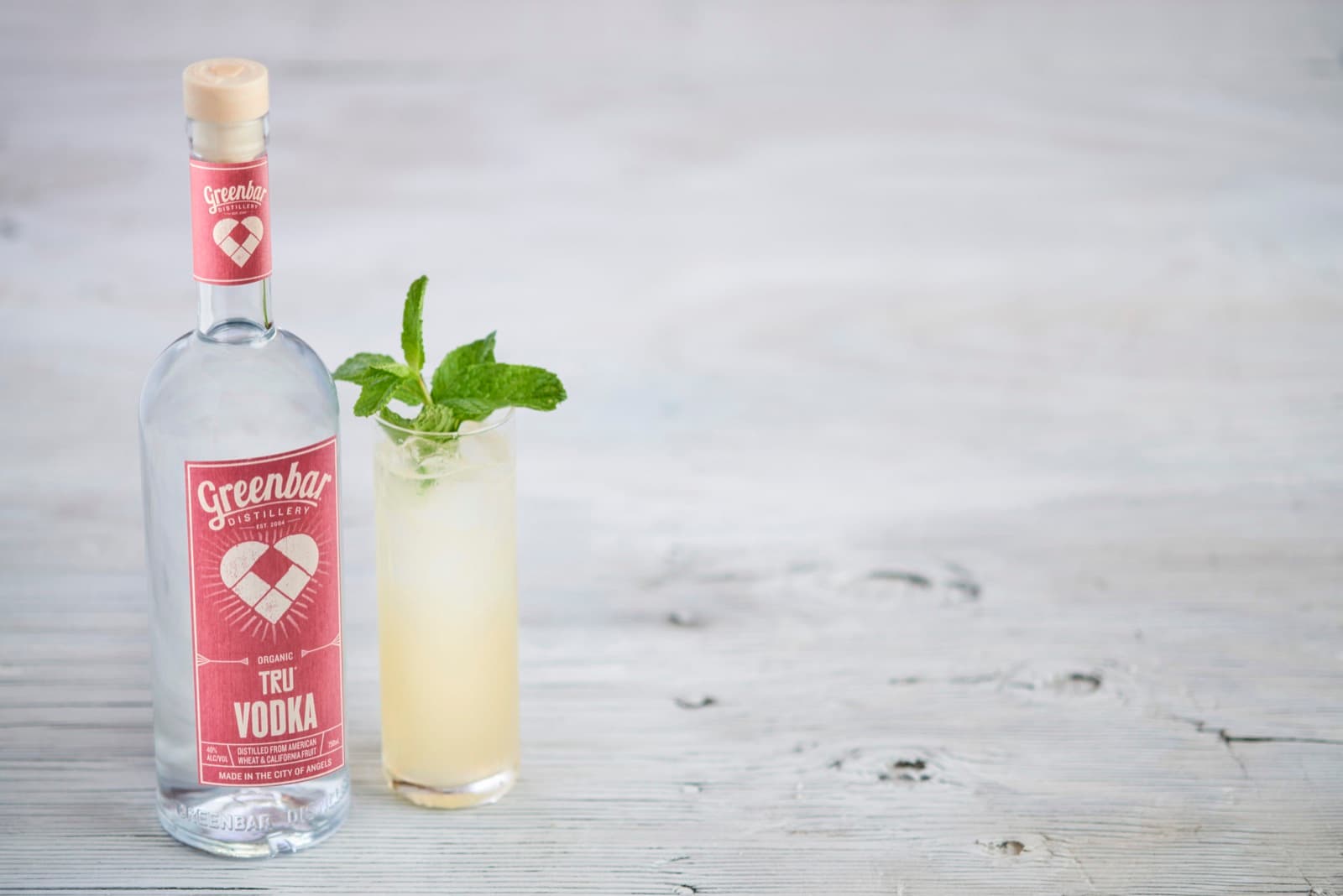
Photo: Greenbar Distillery press kit 1Greenbar DistilleryFull organic range from Los AngelesOrganic spirits
A Los Angeles distillery, founded in 2004, that describes its whole range as organic and labels its line "certified organic spirits". The range on its site covers vodka, gin, rum, whiskey, liqueurs, bitters and canned cocktails, plus non-alcoholic highballs.
Good to know: The site says "certified organic" without naming the certifier or showing the seal, so confirm the "Certified Organic by" line on the bottle or can you buy.
Checked against: greenbardistillery.com · greenbardistillery.com
View at brand sitegreenbardistillery.com
- 2Eel River Brewing CompanyFour organic ales from California
Organic Craft line
The brewery describes itself as a certified organic brewery and lists four beers in its organic line: California Blonde Ale, Amber Ale, IPA and a Pilsner style ale. Its story page describes its beer as USDA-certified, and the Pilsner page text names organic Pacific Northwest barley and hops.
Good to know: The brewery's pages do not name its certifier, so look for the "Certified Organic by" line on the can. It also makes hard seltzers and specialty beers outside this line.
Checked against: eelriverbrewing.com · eelriverbrewing.com
View at brand siteeelriverbrewing.com
- 3Samuel Smith'sImported English fruit beer
Organic Fruit Beer
- Soil Association Organic
An English brewery that brews its fruit beers from organic malted barley, organic wheat and organic hops. Its certificates page posts a current Soil Association Certification document for Samuel Smith Old Brewery, licence number P1908, valid from June 2026 to May 2027.
Good to know: The certificate shown is to Soil Association organic standards in Great Britain. The brewery's site does not show the United States label, so check the imported bottle for its own organic statement.
Checked against: samuelsmithsbrewery.co.uk · samuelsmithsbrewery.co.uk
View at brand sitesamuelsmithsbrewery.co.uk
- 4Humboldt DistilleryVodka from organic sugarcane
Organic Vodka
A California vodka that the distillery says is distilled from organic American sugarcane. The product page marks it USDA Organic. The distillery's spirits page marks its spiced rum and its apple brandy USDA Organic as well.
Good to know: Not every spirit the distillery sells is marked USDA Organic on its site. One botanical spirit is infused with hemp and carries no organic mark there.
Checked against: humboldtdistillery.com · humboldtdistillery.com
View at brand sitehumboldtdistillery.com
Products with a photo are shown first; otherwise the order says nothing about quality. Certifications can lapse: check the certifier’s database before you buy.
What organic means on beer and spirits
The USDA Organic regulations cover alcohol the same way they cover food. The USDA says alcoholic beverages must meet both its organic requirements and the regulations of the Alcohol and Tobacco Tax and Trade Bureau (TTB), and that all organic alcohol labels must be reviewed by an organic certifying agent and by the TTB.
For beer, that means the barley, wheat and hops. For spirits, it means whatever was fermented and distilled: corn, wheat, sugarcane, agave, apples or grapes. The certification follows the ingredients and the facility. Distilling does not turn a conventional grain into an organic one, and it does not make an organic claim unnecessary to check.
The four label tiers, as the TTB applies them
The TTB lists four categories for alcohol beverages. Only the first two may use the word "organic" as the product's description.
| Label claim | What it requires |
|---|---|
| 100% organic | Only organic ingredients and processing aids, no chemically added sulfites |
| Organic | At least 95% organic ingredients, no chemically added sulfites |
| Made with organic (ingredients) | At least 70% organic ingredients |
| Ingredient statement only | Under 70% organic ingredients, or not made by a certified handler: organic ingredients may be named in the ingredient list only |
How to check a bottle or can
- 1
Read the claim
"Organic vodka" and "vodka made with organic corn" are different tiers. Our guide on how to read a USDA organic label covers the wording.
- 2
Find the certifier
The TTB requires a "Certified Organic by" statement, or a similar phrase, below the bottler or importer's name and address. A logo by itself does not count.
- 3
Look up the producer
Search the brewery or distillery in the USDA Organic Integrity Database, which lists certified operations and their certifiers.
- 4
Check each product
Many producers make both organic and conventional drinks. The claim belongs to the product in your hand, not to the brand.
What certification does not tell you
An organic seal on beer or spirits is a statement about farming and processing. It is not a statement about alcohol content, calories or how a drink affects you, and we make no such claims here. Terms such as "gluten-free" and "vegan" are separate claims with their own rules.
This page is for adults of legal drinking age. For the grape side of the aisle, including the sulfite rule, see organic wine. For the difference between organic and other common label words, see organic vs natural vs non-GMO.
Questions people ask
Can beer and spirits carry the USDA Organic seal?
Yes. Alcohol beverages fall under the USDA organic regulations, and the TTB applies those rules to any label that makes an organic claim. A beer or spirit in the "organic" category, with at least 95 percent organic ingredients, may display the seal. Products in the "made with organic" tier may not.
What does "made with organic corn" mean on a vodka?
It is the "made with organic" tier. The TTB says products in this category contain at least 70 percent organic ingredients and must name the organic ingredients in the claim. The bottle cannot show the USDA Organic seal or call the finished spirit organic. It still has to carry a "Certified Organic by" statement.
Is imported organic beer certified to United States rules?
It depends on the label it wears here. An importer who uses an organic claim on a bottle sold in the United States has to submit it for TTB label review with the certifier's sign-off. A foreign certificate on a brewery's website shows the brewery is certified at home. The statement printed on the imported bottle shows what applies to the product you are buying.
Does the organic seal say anything about hops?
Hops are an agricultural ingredient, so they count toward the organic content like barley or wheat. In the "organic" category, up to 5 percent of ingredients may be non-organic items that the USDA's National List allows, and some may be used only when an organic version is not commercially available. Ask the brewery if you want to know its hop sourcing.
How do I confirm a distillery is certified organic?
Start with the bottle: the certifier's name must appear near the bottler's address. Then search the producer's name in the USDA Organic Integrity Database, which is public and lists certified operations. If a brand says "certified organic" on its website but names no certifier anywhere, treat the claim as unconfirmed until you see the label.
Sources
Each page was opened and read on October 11, 2026.
Keep reading
 DrinksOrganic Wine"Organic wine" and "made with organic grapes" are two different legal labels. Each pick says which it is.
 DrinksOrganic KombuchaUSDA Organic kombucha, what the seal covers, and the federal 0.5% alcohol line.
 DrinksOrganic CoffeeUSDA Organic coffee, and what Fair Trade, Bird Friendly and the frog seal add or leave out.