Organic Drinks
Organic Kombucha
Organic kombucha carries the USDA Organic seal, which covers the tea, the sugar and any juice or flavoring that went into the brew, and the company that made it. The seal is about farming and processing. It does not measure live cultures, and it does not tell you the alcohol content, which federal rules treat as a separate question.
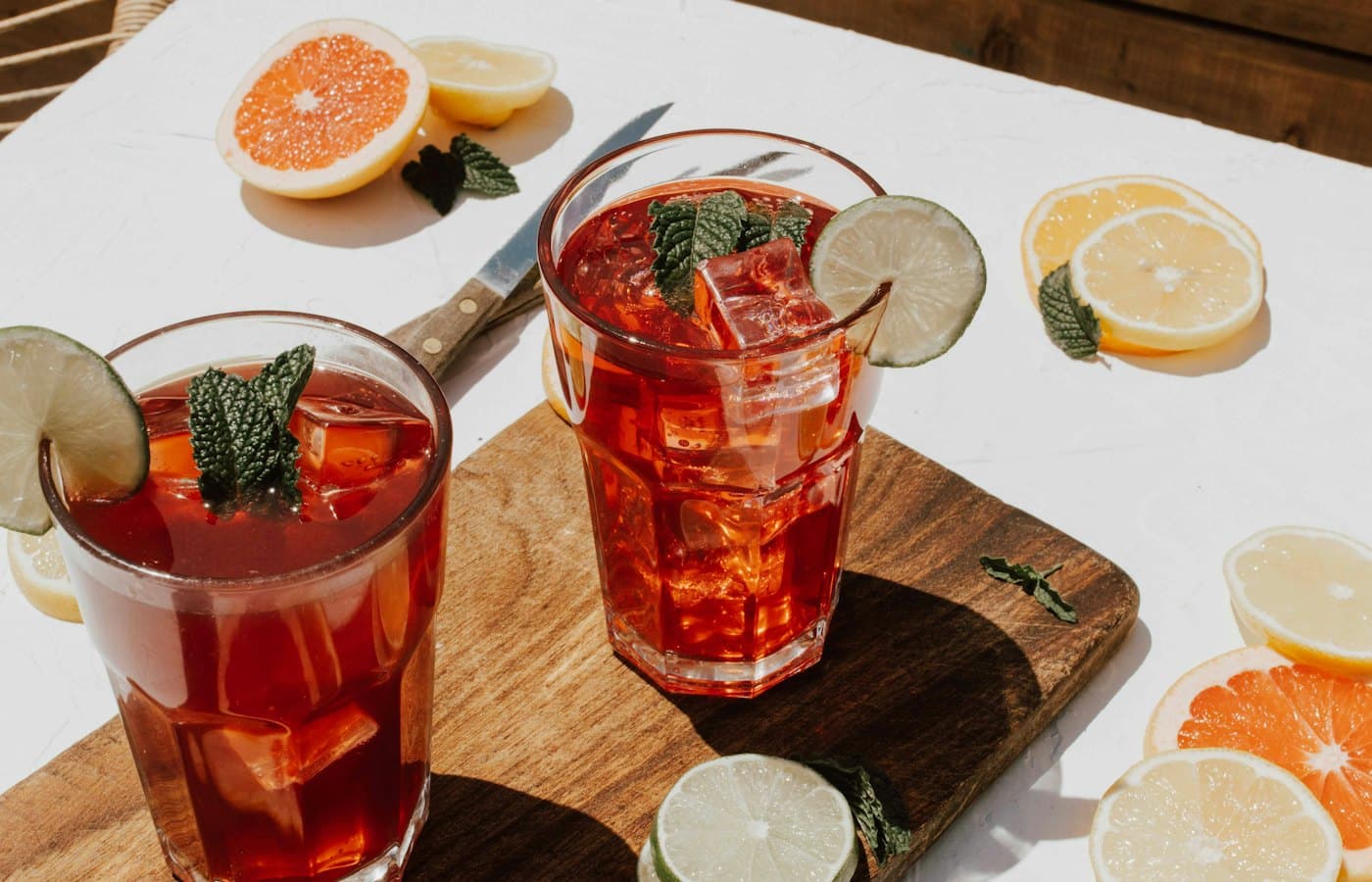
What organic means here
This page lists kombucha whose makers state on their own pages that it is USDA Organic certified. "Brewed with organic tea" or an asterisk beside a few ingredients is not enough. We describe ingredients and certifications only. We make no claims about digestion, immunity or any other health effect, and organic certification does not review such claims.
Look for
- The USDA Organic seal and a "Certified organic by" line naming the certifier
- An ingredient list where the tea, sugar and juices are marked organic
- Added sugars on the Nutrition Facts panel, which vary a great deal between flavors
- Whether the label says raw or pasteurized, and "keep refrigerated" if it applies
Be wary of
- "Organically produced" beside single ingredients with no seal on the bottle
- Hard kombucha shelved nearby: it is an alcohol beverage with different rules
- Health promises on the label, which no organic certifier has checked
Products that carry the certification
We have not tested these products. Each one was checked against the brand’s own page and the certifier’s records. Product links may be affiliate links: if you buy through one we may earn a commission, at no extra cost to you. How we choose.
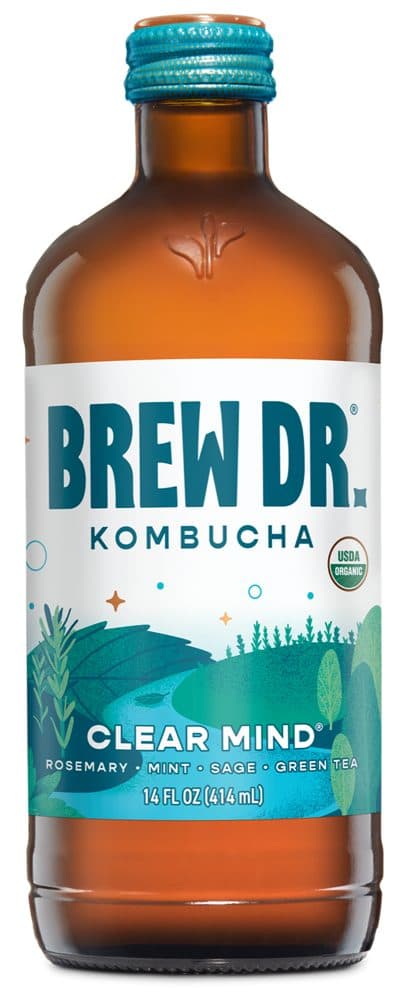
Photo: Brew Dr. Kombucha press kit 1Brew Dr. KombuchaWhole line certified, alcohol removedRaw organic kombucha
The brand's FAQ states that all of its flavors are USDA Certified Organic, non-GMO, gluten free, vegan and kosher. It describes the kombucha as raw and unpasteurized, sweetened before fermentation with organic cane sugar, and says it removes alcohol by a non-heat distillation method.
Good to know: Raw means unpasteurized. "Non-GMO" and "gluten free" are the brand's statements, with no outside program named. Some flavors add organic juice or puree after fermentation.
Checked against: brewdrkombucha.com · brewdrkombucha.com
View at brand sitebrewdrkombucha.com
- 2Health-AdeOrganic and Non-GMO Project Verified
Health-Ade Kombucha
- USDA Organic
- Non-GMO Project Verified
- Certified Gluten-Free
The brand's ingredient page states that its kombucha is always USDA Organic Certified, Non GMO Project Verified, Certified Gluten Free and vegan. Product pages describe the kombucha as flavored with fruit juice from organic produce.
Good to know: The brand's pages also make gut health statements, which we do not repeat or endorse. Its SunSip soda is a separate product line, so check that label on its own.
Checked against: health-ade.com · health-ade.com
View at Health-Adehealth-ade.com
- 3Humm KombuchaNo added sugar, canned
Original Cherry Limeade Kombucha
A canned kombucha the product page marks USDA Certified Organic. The brand describes it as made with organic cherry juice and lime with 0 grams of added sugar, and as certified organic, non-GMO and gluten free with no artificial sweeteners.
Good to know: The page says vitamin B12 is added and makes energy and probiotic statements that we do not evaluate. "Non-GMO" is the brand's own wording.
Checked against: hummkombucha.com
View at brand sitehummkombucha.com
Products with a photo are shown first; otherwise the order says nothing about quality. Certifications can lapse: check the certifier’s database before you buy.
What the organic seal covers in kombucha
Kombucha is made from brewed tea and sugar fermented with a culture of yeast and bacteria, often with juice or flavoring added. For a bottle to be sold as organic, the USDA Organic rules require at least 95 percent organic ingredients, not counting water and salt, and a certified company behind it.
In practice that means organic tea, organic cane sugar and organic fruit. The seal is not a test of the finished drink. It does not count live cultures, measure acidity or check what a label says about how you will feel.
The 0.5% alcohol line
Fermentation produces alcohol. The Alcohol and Tobacco Tax and Trade Bureau (TTB) says kombucha that contains 0.5 percent or more alcohol by volume is an alcohol beverage and is subject to its regulations. In most cases it is classified as beer under federal tax law.
The TTB also notes that a kombucha under 0.5 percent at bottling can keep fermenting in the bottle after it leaves the producer, depending on how it is made and stored, and that the alcohol content may rise as a result. That is why storage directions on the label matter. Some makers remove alcohol after fermentation and say so.
Organic certification has no bearing on any of this. Hard kombucha is a separate product for adults of legal drinking age, covered by the same label rules as organic beer and spirits.
How to read a kombucha label
| On the label | What it tells you |
|---|---|
| USDA Organic seal | The ingredients and the maker are certified organic |
| Raw or unpasteurized | The drink has not been heat-treated |
| Keep refrigerated | The maker's storage direction. Fermentation can continue in the bottle |
| Added sugars | Sugar remaining or added after fermentation, per serving |
| A health warning statement about alcohol | Required when the product is 0.5% alcohol by volume or more |
Claims we leave out
Kombucha labels often mention probiotics, digestion or energy. We do not repeat those claims, and you should not read an organic seal as support for them. If you are pregnant, have a weakened immune system or are choosing drinks for a young child, ask your doctor or pediatrician about raw fermented drinks.
If you want an organic drink that is not fermented, see organic tea and organic juice. Our guide to what organic means explains what the word covers across products.
Questions people ask
Does organic kombucha contain alcohol?
All fermentation produces some alcohol, organic or not. The TTB says kombucha with 0.5 percent or more alcohol by volume is an alcohol beverage under federal rules. Kombucha sold as a soft drink is meant to stay under that line, and some makers remove alcohol after brewing. The organic seal does not measure it.
Can kombucha gain alcohol after it is bottled?
It can. The TTB says fermentation may continue in the bottle after it leaves the production facility, depending on how the kombucha is made and stored, and the alcohol content may increase to 0.5 percent or more. Follow the storage directions on the label, especially "keep refrigerated".
What does "raw" mean on kombucha?
Brands use it to mean unpasteurized: the drink has not been heat-treated after fermentation. It is the maker's description, not a certification, and it is separate from organic. A raw kombucha can be organic or conventional, and an organic kombucha can be raw or pasteurized.
Is kombucha made with organic tea the same as organic kombucha?
No. An ingredient marked organic, or the phrase "made with organic tea", is a lower tier than the USDA Organic seal. A product sold as organic needs at least 95 percent organic ingredients and a certified maker. Look for the seal on the bottle and the certifier's name near the company's address.
Does the USDA Organic seal say anything about probiotics?
No. Organic certification covers how ingredients were grown and how the product was processed. It does not count or identify live cultures, and it does not review health statements on a label. Treat any such statement as the brand's own, and ask your doctor if you have a medical reason to care.
Sources
Each page was opened and read on October 11, 2026.
Keep reading
 DrinksOrganic TeaUSDA Organic black, green, oolong and herbal teas, with fair trade labels noted where confirmed.
 DrinksOrganic JuiceUSDA Organic juices, what "from concentrate" means, and the juice rules for babies and young kids.
 DrinksOrganic Beer & SpiritsBeer and spirits whose makers state an organic certification, and how to check the claim on the label.