Supplements & Wellness
Organic Protein Powder
An organic protein powder carries the USDA Organic seal, which covers how the peas, rice, seeds or milk behind it were farmed and processed. It is not a heavy metal test. Consumer Reports found lead in many protein powders in 2025, so look for published test results as well as the seal, and ask your doctor before using one daily.
Not medical advice. This page describes labels and certifications. It is general information, and it does not replace your pediatrician, doctor or midwife, who know you and your child.
What organic means here
This page lists protein powders whose brand page states USDA Organic certification, or certification by a named USDA-accredited certifier. We note what each brand says about outside testing. Organic rules do not set limits for lead, cadmium or arsenic, so the seal alone does not answer the heavy metal question. Ask your doctor before regular use.
Look for
- The USDA Organic seal and the line "Certified organic by" with a certifier's name
- Heavy metal results for the finished powder, published by batch or sent on request
- A named outside program, such as NSF Certified for Sport or Clean Label Project
- The protein source and the full ingredient list, including sweeteners and gums
Be wary of
- "Clean" or "pure" on the tub with no test results behind it
- "Third-party tested" with no lab named and no results available
- Powders sold as full meal replacements for daily use
- Protein powders marketed for children or for pregnancy without a doctor's advice
Products that carry the certification
We have not tested these products. Each one was checked against the brand’s own page and the certifier’s records. Product links may be affiliate links: if you buy through one we may earn a commission, at no extra cost to you. How we choose.
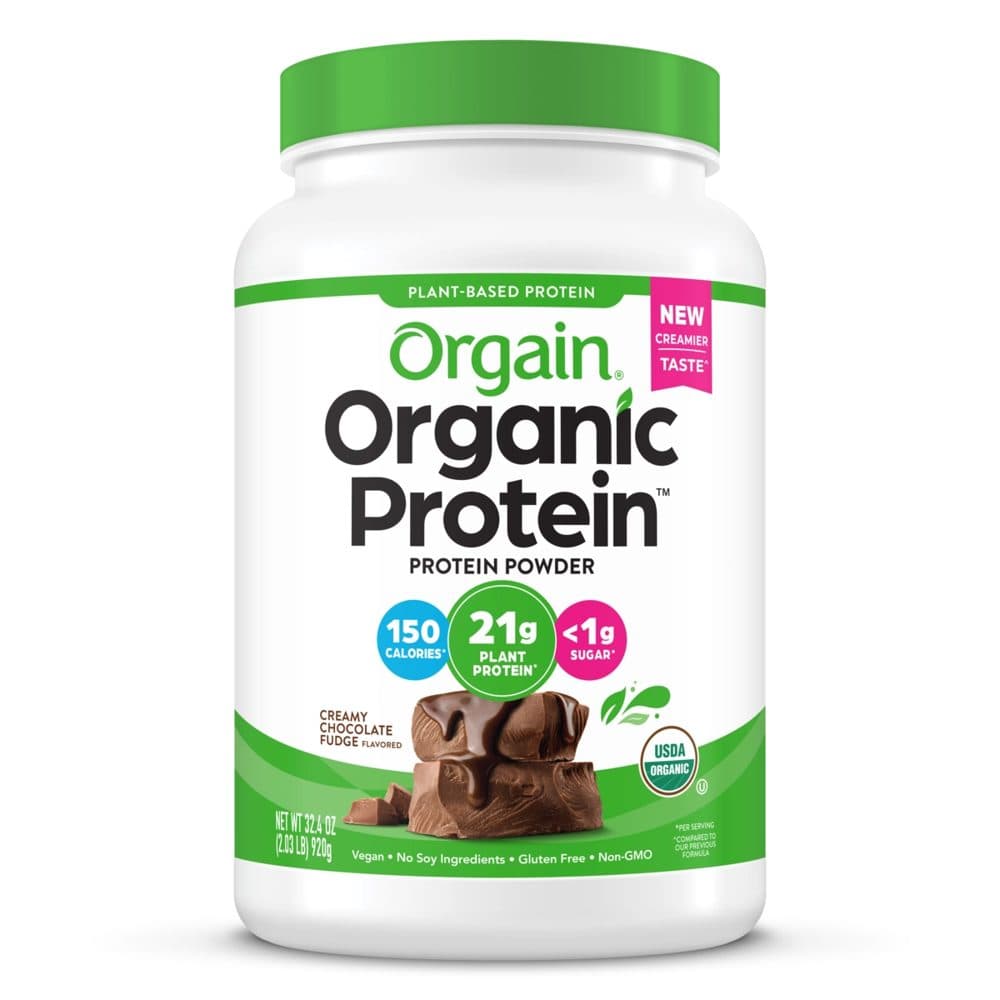
Photo: Orgain 1OrgainWidely sold, many flavorsOrganic Protein Plant Based Protein Powder
A flavored plant-based powder that the product page lists as USDA Organic, vegan, kosher, gluten free and non-GMO, made without soy or dairy ingredients, with 21 grams of protein per serving and no added sugar.
Good to know: We did not find heavy metal test results on the product page. Some flavors contain caffeine from organic cocoa or coffee, which the page discloses. Plant-based powders as a group carried more lead in Consumer Reports' 2025 tests.
Checked against: orgain.com
View at Orgainorgain.com
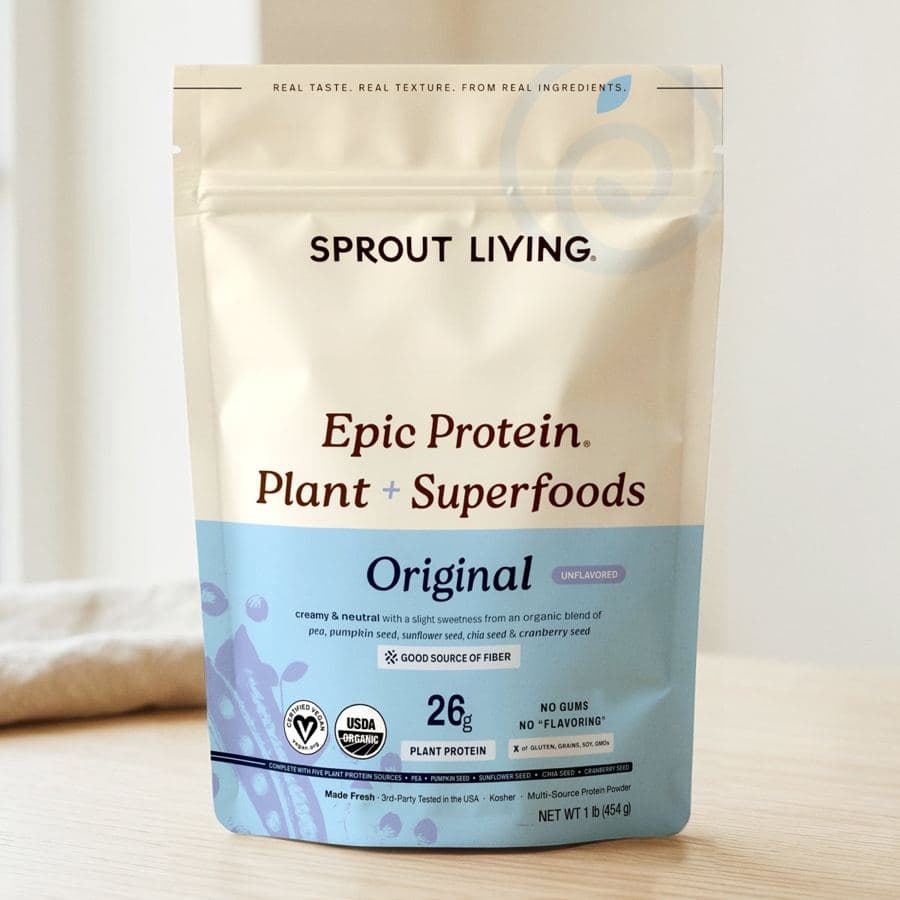
Photo: Sprout Living 2Sprout LivingUnflavored, six ingredients, no gumsEpic Protein, Original (Unflavored)
An unflavored powder with six ingredients, including pea, pumpkin seed and sunflower seed protein, and no gums or flavoring. The page states it is certified organic by Quality Assurance International and that ingredients and finished goods are third-party tested.
Good to know: The page names the organic certifier but not the testing lab, and does not post heavy metal results. It says the powder is naturally free of gluten but not certified gluten-free.
Checked against: sproutliving.com
View at brand sitesproutliving.com
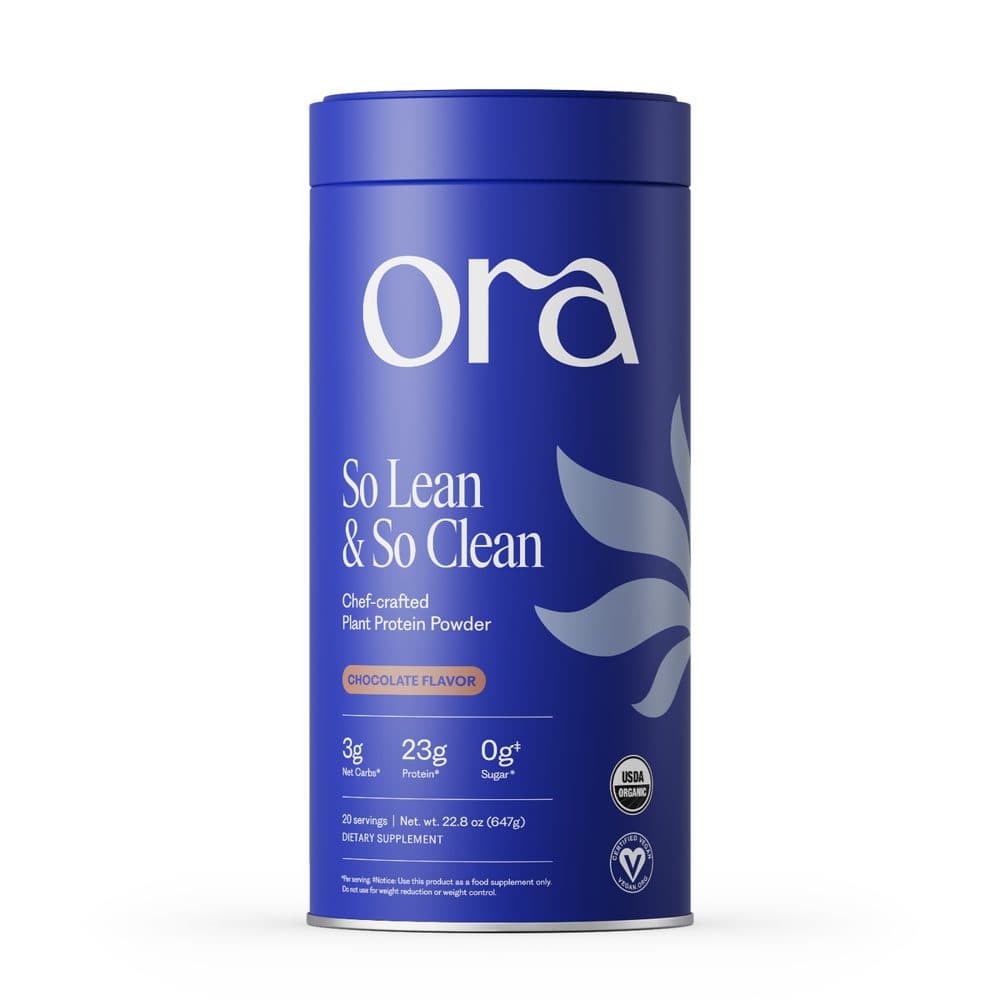
Photo: Ora 3OraBatch test results publishedOrganic Plant-based Protein Powder
A flavored pea and rice protein powder that the product page describes as USDA Organic certified, with no gums, stevia or added sugar. The brand says every batch is tested by an accredited third-party lab and that it publishes the Certificate of Analysis.
Good to know: The lab is not named on the page. Published results let you check the numbers yourself; they are not a promise that any level is safe for you. The health claims on the page are the brand's own.
Checked against: ora.organic
View at Oraora.organic
- 4KOSFlavored plant blend
Organic Plant Protein
A flavored plant protein blend. The product page shows a USDA Organic badge with the line "certified organic ingredients" and a Third-Party Tested badge reading "purity verified by lab".
Good to know: The page does not name the lab or post results, so ask the brand for heavy metal data on the flavor you plan to buy.
Checked against: kos.com
View at KOSkos.com
Products with a photo are shown first; otherwise the order says nothing about quality. Certifications can lapse: check the certifier’s database before you buy.
What the organic seal covers on a protein powder
The USDA Organic seal means at least 95 percent of the ingredients, not counting salt and water, are certified organic, and an accredited certifier has reviewed the product. For a pea or rice protein, that describes how the crop was grown and how it was processed into powder.
The organic rules are about farming inputs and handling. They do not set a limit for lead or cadmium in the finished tub. A plant protein company quoted by Consumer Reports said naturally occurring heavy metal levels in plant proteins can reflect the soil the crops grew in, which is why the question needs its own answer. Our guide to spotting greenwashing covers words like "clean" that sound like test results and are not.
Heavy metals: what Consumer Reports found
In October 2025, Consumer Reports published tests of 23 protein powders and ready-to-drink shakes. For more than two-thirds of them, a single serving contained more lead than its food safety experts consider safe to consume in a day. Its level of concern for lead is 0.5 micrograms per day, a threshold the organization sets itself.
Plant-based products fared worst. Consumer Reports said lead levels in plant-based products were, on average, nine times those in powders made with dairy proteins such as whey. Every pick on this page is plant-based, so this applies to them as a group. We have not seen test results for these specific products from Consumer Reports and do not claim any.
Consumer Reports also noted that there are no federal limits for the amount of heavy metals a supplement can contain, and that its experts advise against daily use of most protein powders. It added that the levels found were far below what would cause immediate harm, and that the concern is repeated exposure over time.
How to check a powder yourself
- 1
Find the certifier
Look for the USDA Organic seal and the "Certified organic by" line on the tub. Our guide on how to read a USDA organic label shows where it sits.
- 2
Ask for the numbers
Email the brand and ask for heavy metal results for the finished product, by flavor and batch. A brand that tests can send a Certificate of Analysis.
- 3
Look up any testing seal
If the tub shows a program such as NSF or Clean Label Project, search that program's public listing for the exact product name.
- 4
Talk with your doctor
Bring the label and the results. This matters most if you are pregnant, nursing, on medication or buying for a child or teenager.
Regulation, and whether you need it
Protein powders are generally sold as dietary supplements or foods. The FDA says it does not have the authority to approve dietary supplements for safety and effectiveness, or to approve their labeling, before they are sold. The NIH Office of Dietary Supplements says supplements cannot take the place of the variety of foods in a healthy eating routine.
Consumer Reports makes a related point: nutrition experts it interviewed say most people already get enough protein. Children and pregnant people are most vulnerable to lead, according to the same report. If you are in either group, or buying for someone who is, ask a doctor or pediatrician before using any protein powder. For a related topic, see our guide to heavy metals in baby food.
Questions people ask
Does USDA Organic mean a protein powder is low in heavy metals?
No. Organic certification covers how ingredients are grown and processed. It does not set limits for lead, cadmium or arsenic in the finished product. Consumer Reports' 2025 testing found that plant-based powders averaged much more lead than dairy-based ones, whatever their other labels. Ask the brand for test results on the finished powder and discuss regular use with your doctor.
Are there federal limits on lead in protein powder?
Consumer Reports reported in 2025 that there are no federal limits for the amount of heavy metals supplements such as protein powders can contain. The FDA does not review, approve or test supplements before they are sold. Consumer Reports uses its own level of concern for lead, 0.5 micrograms per day, and says it bases its math on one serving a day.
Is plant-based or whey protein lower in lead?
In Consumer Reports' 2025 tests, dairy-based powders and shakes generally had the lowest amounts of lead, and plant-based products averaged about nine times as much. Even so, the organization said half of the dairy products it tested had enough contamination that its experts advise against daily use. Results vary by product, so ask for the data on the one you are considering.
Is organic protein powder suitable during pregnancy or for kids?
Ask your doctor or pediatrician before using it. Consumer Reports notes that children and pregnant people are most vulnerable to lead because it can affect the developing brain and nervous system. The NIH Office of Dietary Supplements also says many supplements have not been well tested in children or in women who are pregnant or nursing.
What does "third-party tested" mean on a protein tub?
It means the brand says an outside lab tested the product. The phrase is not defined in law and does not tell you what was tested or what was found. A named program you can look up, or a published Certificate of Analysis for your batch, tells you more. The NIH notes that even recognized quality seals do not mean a product is safe or effective.
Sources
Each page was opened and read on October 11, 2026.
Keep reading
 SupplementsOrganic Greens & Superfood PowdersUSDA Organic greens and superfood powders, with what each brand says about testing.
 DrinksOrganic Plant MilksUSDA Organic almond, soy and other plant milks, and what the seal does not say about nutrition.
 Food & PantryOrganic Nut Butters & SpreadsCertified organic peanut and almond butters, and what the jar's label does and does not promise.