Pregnancy, baby & kids
A non-toxic nursery checklist, zone by zone
No single label makes a nursery non-toxic. What you can do is work through the room in zones: a bare, firm sleep space first, then old paint, air, furniture and fabrics. For each zone there is either a safety rule from the AAP or CPSC, or a certification that measures one specific thing. This checklist pairs them up.
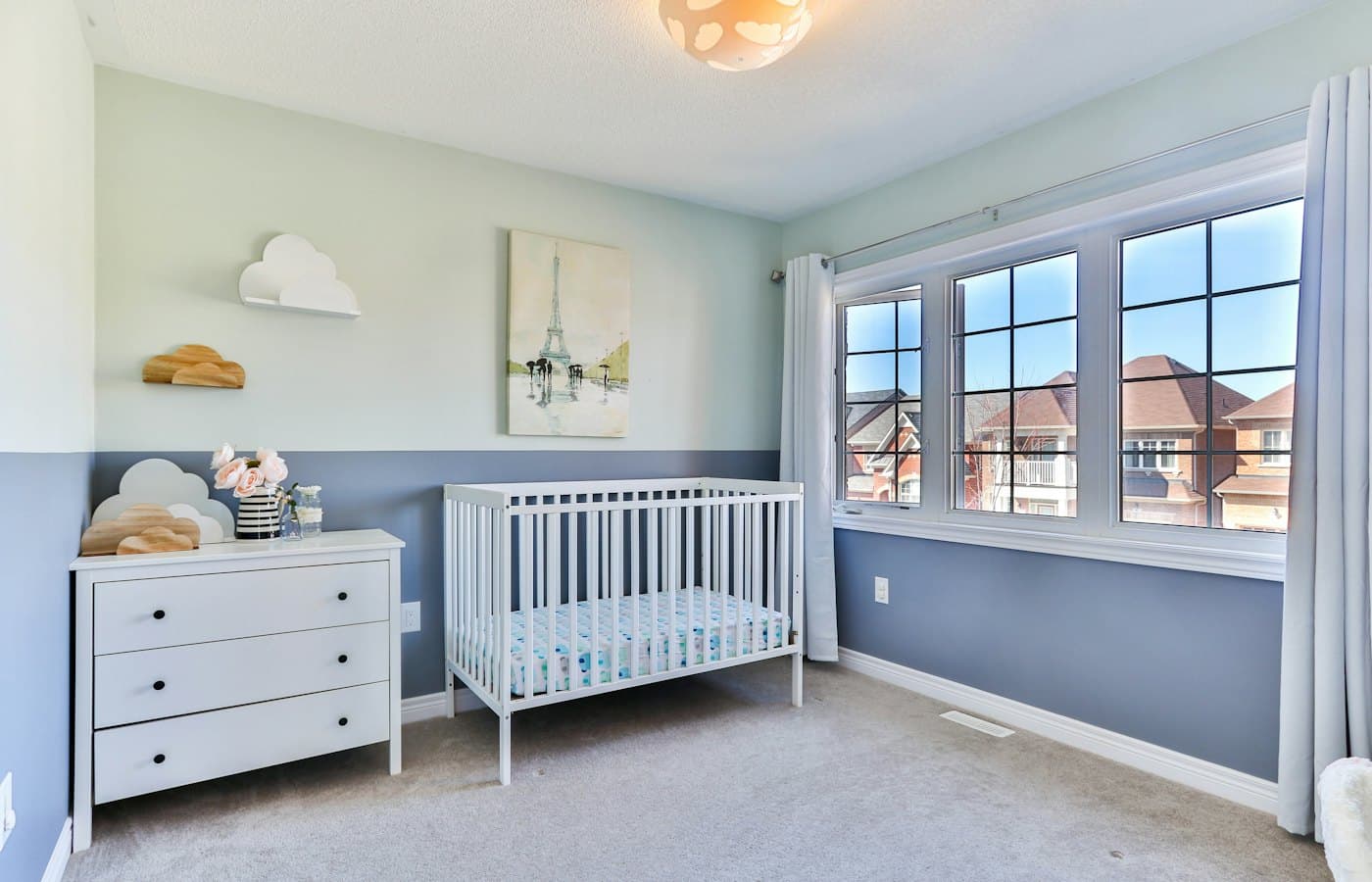
What does non-toxic mean for a nursery?
It is a goal, not a certification. Nothing on a product tag certifies a whole room, and a product described as non-toxic may or may not have been tested by anyone. So this checklist avoids the word where it can and names the specific concern: lead dust, volatile organic compounds (VOCs), or what a fabric was made from.
It also keeps two kinds of risk apart. Material choices are about long-term, low-level exposure, where EPA itself says not much is known about health effects at the levels usually found in homes. Sleep position, loose bedding and unanchored furniture are immediate hazards with clear rules. When the two compete for your attention or budget, the second kind wins.
Zone 1: the sleep space
The American Academy of Pediatrics (AAP) and the Consumer Product Safety Commission (CPSC) agree on the basics, and none of them depend on what the mattress is made of. If you have questions about your own baby's sleep, ask your pediatrician.
- Use a crib, bassinet, portable crib or play yard that meets CPSC safety standards. The AAP says to use a crib made after June 2011, when drop-side cribs were banned.
- Choose a firm, flat mattress made for that crib that fits tightly. The AAP test: if you can fit more than two fingers between mattress and crib side, do not use the pair.
- Fitted sheet only. CPSC's rule is a bare crib: no pillows, blankets, bumper pads or soft toys.
- No inclined products for sleep. CPSC says products angled more than 10 degrees should never be used for infant sleep.
- No weighted blankets or weighted swaddles (CPSC and AAP).
- Keep the crib away from windows and cords. The AAP notes CPSC recommends cordless window coverings.
Zone 1, continued: choosing the mattress and sheets by label
Once the safety rules are met, labels can help with materials. For a mattress, GREENGUARD Gold is the one aimed at air: UL Solutions says it sets lower VOC emission limits meant for places such as nurseries and schools, and limits emissions of more than 360 VOCs. It does not tell you what the mattress is made from.
For that, look to GOTS, the organic textile standard. GOTS says a certified product must contain at least 70 percent certified organic fibers, and at least 95 percent to be labeled organic. Check what the certificate covers. A GOTS certified cover is not a GOTS certified mattress.
Our pages on organic crib mattresses and organic crib sheets state which part of each product is certified. An organic mattress still has to be firm and fit the crib.
Zone 2: walls, floors and old paint
Start with the age of the house. EPA says a home built before 1978 is more likely to have lead-based paint, and that dust and chips from that paint are among the most common sources of lead exposure at home. Paint in good shape is usually not a problem. Peeling paint and renovation dust are.
That makes sanding or scraping old paint in a future nursery the wrong do-it-yourself job. EPA's Renovation, Repair and Painting rule requires anyone paid to disturb painted surfaces in pre-1978 homes to be certified and trained in lead-safe work practices. Ask for that certification.
- 1
Check the build date
If the home is pre-1978, look for peeling, chipping or cracking paint, especially on window sills and doors where friction creates dust.
- 2
Hire lead-safe help for prep work
Use an EPA certified renovator for any work that disturbs old painted surfaces.
- 3
Paint early
EPA lists paints and varnishes among common VOC sources and says levels can stay elevated well after the work is done. Finish weeks ahead if you can.
- 4
Ventilate
EPA advises increasing ventilation when using products that emit VOCs, and providing maximum ventilation during painting.
- 5
Do not store leftovers in the room
EPA notes gases can leak even from closed containers. Buy only what you need and store or dispose of the rest safely.
Zone 3: furniture and the changing area
New furniture is another source. EPA lists building materials and furnishings among the things that emit VOCs, and names formaldehyde as one of the few indoor air pollutants that can be readily measured. Its advice is to identify and, if possible, remove the source, and otherwise to ventilate. Unboxing and assembling furniture early, in a room with open windows, follows the same logic as painting early.
For labels, GREENGUARD Gold applies to furniture as well as mattresses. See non-toxic cribs and nursery furniture for which pieces carry it. Solid wood, FSC certified wood and water-based finishes are material claims, not emissions tests, so treat them as separate facts.
Then anchor it. CPSC's Anchor It campaign says anchoring all furniture with drawers, doors and shelves to the wall prevents tip-over injuries and deaths. CPSC notes that a federal rule to prevent furniture tip-overs took effect on September 1, 2023. Older and secondhand pieces predate it.
At the changing station, the AAP recommends a sturdy table with a 2-inch guardrail on all four sides and a pad with a concave top, and says never to leave a baby unattended on it, strap or not. It also says not to use baby or talcum powders. Our page on organic changing pads covers pad materials.
Zone 4: air, fabrics and everything else
EPA reports that levels of several organic compounds average 2 to 5 times higher indoors than outdoors. The reliable fixes are plain ones: fewer sources, and more fresh air. Our guide to indoor air quality basics goes deeper on what the certifications measure.
| Item | What to check | Source of the rule or label |
|---|---|---|
| Curtains, rugs, blankets | GOTS for organic fiber content. Keep blankets out of the crib. | GOTS, AAP |
| Window coverings | Cordless | CPSC, via AAP |
| Humidifier | Cool-mist, cleaned as the maker directs to avoid mold | AAP |
| Night-light | Cool to the touch, away from drapes and bedding | AAP |
| Mobile | Out of reach, removed at 5 months or when baby gets up on hands and knees | AAP |
| Toy storage | A box or basket without a lid | AAP |
| Smoke alarms | Outside every bedroom and on every level | AAP |
Questions people ask
Is an organic crib mattress safer than a regular one?
For sleep safety, what matters is that the mattress is firm, flat, made for the crib and fits tightly. Organic and low-emission certifications describe materials and chemical emissions. They are a reasonable preference, but they do not make a soft or poorly fitting mattress acceptable, and they are not something the AAP's safe sleep advice requires.
How long before the baby arrives should I paint the nursery?
EPA does not give a number of days. It does say that VOC levels are highest during and for several hours immediately after activities such as paint stripping, that elevated concentrations can persist in the air long after, and that you should provide maximum ventilation during painting. Painting as early as you can and airing the room well afterward is consistent with that advice.
What does GREENGUARD Gold mean on nursery furniture?
It means the product was tested for chemical emissions into indoor air and met UL Solutions' stricter Gold limits, which UL describes as intended for sensitive settings such as nurseries and schools. It is an emissions test. It does not certify that wood is solid, that fabric is organic, or that the product meets crib safety standards, which are a separate CPSC requirement.
Is a secondhand crib okay to use?
Only if it meets current standards. The AAP says to use a crib manufactured after June 2011, when the standards banning drop-side cribs took effect, and not to use a crib that has missing hardware, is broken or has no instructions. It also advises checking the CPSC website to make sure the crib has not been recalled, especially if it is not new.
Sources
Each page was opened and read on October 11, 2026.
- American Academy of Pediatrics (HealthyChildren.org): How to Keep Your Sleeping Baby Safe
- American Academy of Pediatrics (HealthyChildren.org): Make Baby's Room Safe, Parent Checklist
- U.S. Consumer Product Safety Commission: Safe Sleep, Cribs and Infant Products
- U.S. Consumer Product Safety Commission: Anchor It (AnchorIt.gov)
- EPA: Volatile Organic Compounds' Impact on Indoor Air Quality
- EPA: Reduce the Risk of Lead Exposure at Home
- EPA: Lead Renovation, Repair and Painting Program
- UL Solutions: UL GREENGUARD Certification
- Global Organic Textile Standard: Key Features
Product pages this guide supports
 Nursery & SleepOrganic Crib MattressesCrib mattresses certified to GOTS as a finished product, with each component label explained.
 Nursery & SleepOrganic Crib SheetsFitted crib sheets in GOTS certified organic cotton, and why fitted is the only kind that belongs in a crib.
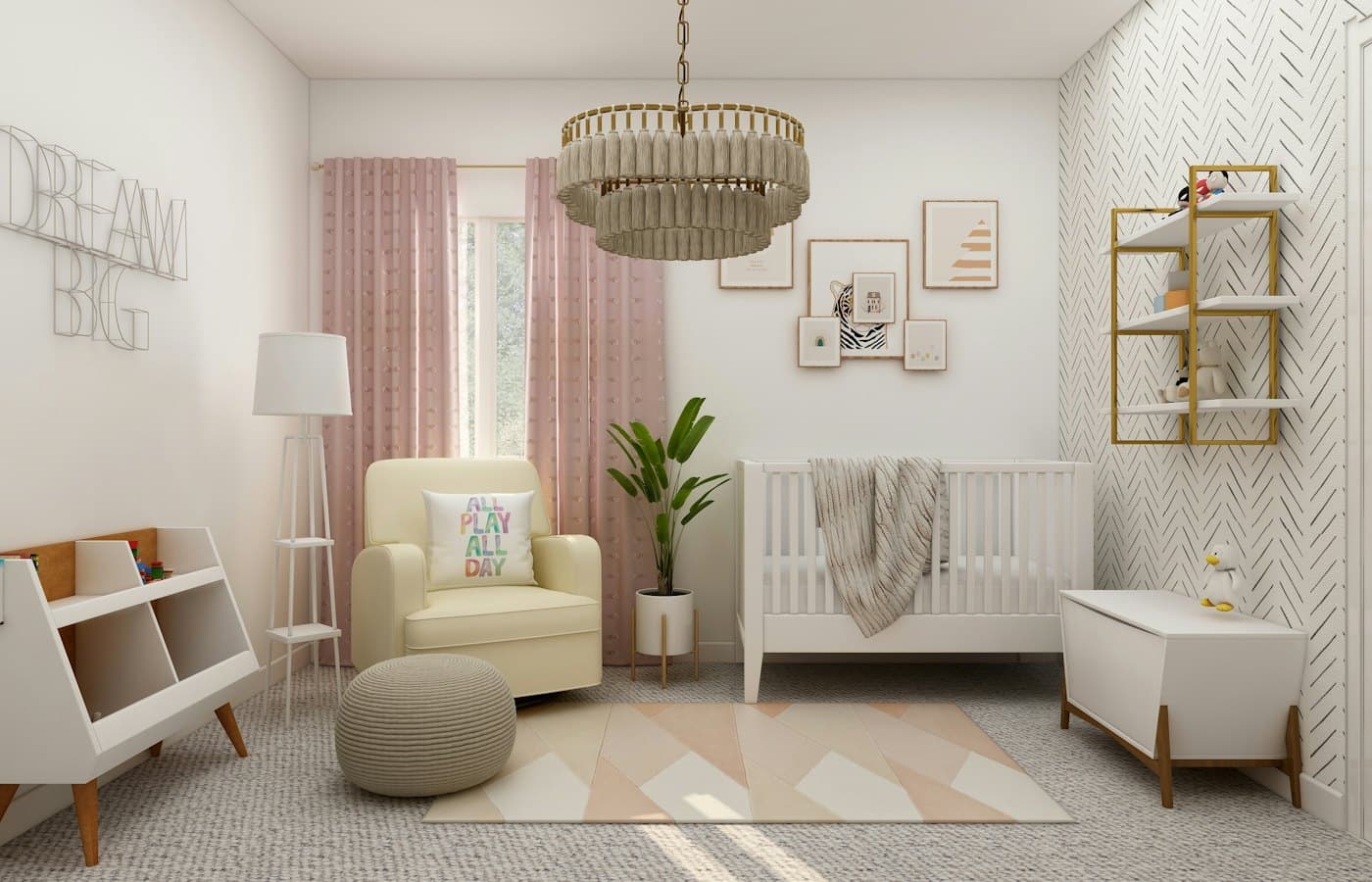 Nursery & SleepNon-Toxic Cribs & Nursery FurnitureCribs and dressers with GREENGUARD Gold emissions certification, stated wood and finishes, and the CPSC rules.
- Nursery & SleepChanging pads and covers with GOTS certified organic cotton, and which parts the certification leaves out.Organic Changing Pads