Organic home
Indoor air quality at home: VOCs, ventilation and what certifications measure
Indoor air problems mostly come from things inside the home that release gases or particles. The EPA says the most effective fix is usually to remove or reduce the source, then bring in more outdoor air, with air cleaners as a third step. Certifications such as GREENGUARD Gold measure emissions, not organic content.
What causes poor indoor air quality?
According to the EPA, indoor pollution sources that release gases or particles into the air are the primary cause of indoor air quality problems. Too little ventilation makes things worse, because not enough outdoor air comes in to dilute those emissions and carry them out. High temperature and humidity can also raise the concentration of some pollutants.
Sources fall into two groups. Some, such as building materials, furnishings and air fresheners, release pollutants more or less continuously. Others are tied to an activity, such as smoking, cleaning, redecorating or a hobby, and release pollutants in bursts that can linger in the air long after you finish.
How much any one source matters depends on how much it emits and how hazardous those emissions are. The EPA is also frank about the limits of the science: it says there is considerable uncertainty about what concentrations or periods of exposure are needed to produce specific health problems, and that people react very differently.
What are VOCs and where do they come from?
Volatile organic compounds are chemicals emitted as gases from certain solids or liquids. "Organic" here is a chemistry term meaning carbon-based. It has nothing to do with organic farming.
The EPA says concentrations of many VOCs are consistently higher indoors than outdoors, up to ten times higher. Its own studies in the 1980s found levels of about a dozen common organic pollutants to be 2 to 5 times higher inside homes than outside, whether the homes were rural or industrial. During and for several hours after certain activities, such as paint stripping, levels may be 1,000 times background outdoor levels.
- Paints, varnishes, paint strippers and other solvents
- Cleaning supplies and disinfectants
- Building materials and furnishings
- Glues, adhesives, permanent markers and craft materials
- Pesticides
- Stored fuels
- Newly dry-cleaned clothing
How to improve indoor air quality, in the EPA's order
- 1
Control the source
The EPA says that for most indoor air quality problems in the home, source control is the most effective solution. That means removing the source, sealing it, or choosing a lower-emitting product to begin with. It is also often cheaper than adding ventilation, which can raise energy costs.
- 2
Ventilate
Most home heating and cooling systems do not bring fresh air into the house. Open windows and doors when weather allows, and run bathroom and kitchen fans that exhaust outdoors. This matters most during short, high-emission jobs such as painting, sanding or cooking.
- 3
Filter last
The EPA says some air cleaners are highly effective at particle removal, while others, including most table-top models, are much less so. Air cleaners are generally not designed to remove gaseous pollutants, so a particle filter does little about VOCs.
- 4
Manage moisture
The EPA's mold guidance says moisture control is the key to mold control. Keep indoor humidity below 60 percent, ideally between 30 and 50 percent, and dry wet materials within 24 to 48 hours of a leak or spill.
- 5
Store and discard products carefully
Buy paints, strippers and similar products in amounts you will use soon. Gases can leak even from closed containers, so take leftovers to a household hazardous waste collection.
The hazards no product label can fix
Three indoor air risks have little to do with what you buy for the living room, and they come before any shopping decision.
What do emissions certifications measure?
The EPA notes that no federally enforceable standards have been set for VOCs in non-industrial settings such as homes. That gap is why third-party emissions labels exist. Each one measures something specific, and none of them means organic.
| Label or rule | What it measures | Where you see it |
|---|---|---|
| GREENGUARD Gold | Chemical emissions from the finished product. UL Solutions says Gold limits emissions of more than 360 VOCs plus total chemical emissions. | Furniture, mattresses, building materials |
| TSCA Title VI | Formaldehyde emissions from hardwood plywood, particleboard and medium-density fiberboard. A federal rule, not a voluntary label. | Composite wood panels and goods made with them |
| EPA Safer Choice | Ingredient safety for cleaners. The program restricts VOC content to minimize indoor air pollution. | Cleaning and laundry products |
| GOTS and other organic standards | How a fiber was grown and processed. Not an emissions test. | Bedding, rugs, upholstery fabric |
Choosing furniture, mattresses, rugs and candles with air in mind
New furnishings are a classic continuous source. Formaldehyde is the most familiar example. A federal rule limits formaldehyde emissions from hardwood plywood, medium-density fiberboard and particleboard, and from household goods that contain them. Since March 22, 2019, these products must be labeled TSCA Title VI compliant when sold in the United States. Our page on non-toxic sofas and furniture looks at materials and emissions certifications together.
A mattress is a large product you spend hours next to, so an emissions certification is a fair thing to ask for alongside organic materials. See organic mattresses for picks that state both.
For floors, ask what the backing and any adhesive are made of, not only the pile. Our organic and natural fiber rugs page covers that.
Candles are a combustion source whatever the wax. The EPA includes burning candles in its list of indoor particle sources. If you burn them, do it with some ventilation, and see non-toxic candles for what makers disclose.
Cleaning products are covered in non-toxic cleaning basics, and a room-by-room list for a baby's room is in our non-toxic nursery checklist.
Questions people ask
Do air purifiers remove VOCs?
Mostly no. The EPA says air cleaners are generally not designed to remove gaseous pollutants. Some are highly effective at removing particles, while most table-top models are much less so, and performance depends on maintaining the unit as the maker directs. For gases such as VOCs, the EPA's guidance points first to removing or reducing the source and then to ventilating with outdoor air.
Do houseplants clean indoor air?
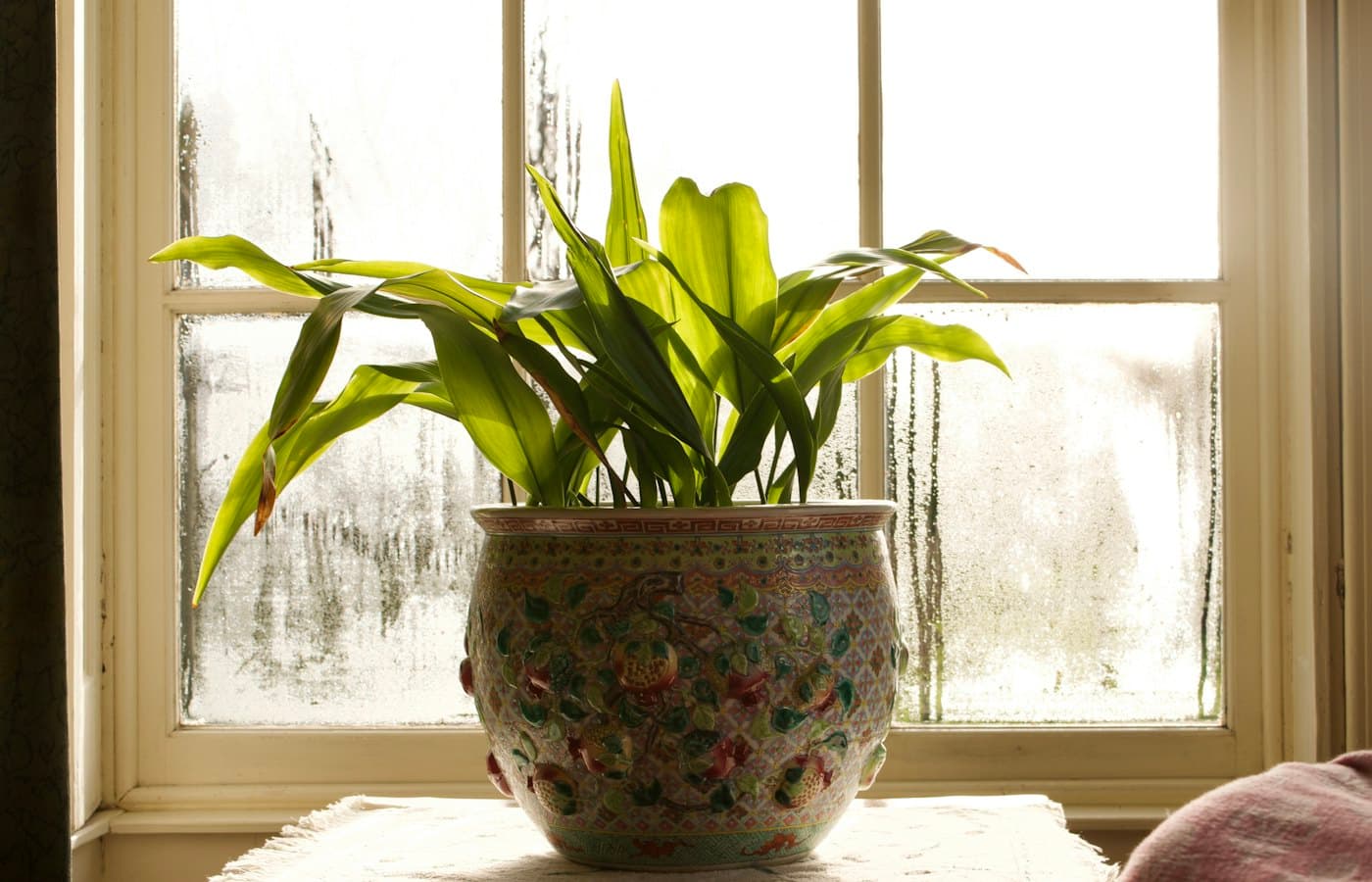
Not in a way that matters at home, according to the EPA. It says there is currently no evidence that a reasonable number of houseplants remove significant quantities of pollutants in homes and offices. It also cautions against over-watering indoor plants, because overly damp soil may promote the growth of microorganisms that can affect allergic individuals.
Does GREENGUARD Gold mean a product is organic or contains no chemicals?
No. GREENGUARD Gold is a UL Solutions certification for low chemical emissions. It sets limits on what a finished product releases into indoor air and requires routine testing. It does not assess whether materials were organically grown, and it does not mean a product emits nothing. For organic fiber content, look for GOTS or another organic standard as a separate claim.
How long does a new product off-gas?
There is no single answer on the EPA pages we rely on, and we will not invent one. The EPA says the importance of a source depends on how much it emits, how hazardous the emissions are, and in some cases how old the source is. What it does recommend is controlling the source where you can and increasing ventilation when you use products that emit VOCs.
What symptoms can indoor air pollution cause?
The EPA lists immediate effects such as irritation of the eyes, nose and throat, headaches, dizziness and fatigue, and notes they can resemble a cold. One clue is whether symptoms fade when you are away from home. This is general information, not a diagnosis. If you or your child have ongoing symptoms, see your doctor.
Sources
Each page was opened and read on October 11, 2026.
- US EPA: Improving Indoor Air Quality
- US EPA: Volatile Organic Compounds' Impact on Indoor Air Quality
- US EPA: Introduction to Indoor Air Quality
- US EPA: A Brief Guide to Mold, Moisture and Your Home
- US EPA: Indoor Particulate Matter
- US EPA: Formaldehyde Emission Standards for Composite Wood Products
- US EPA: Radon
- US EPA: Carbon Monoxide's Impact on Indoor Air Quality
- UL Solutions: UL GREENGUARD Certification
Product pages this guide supports
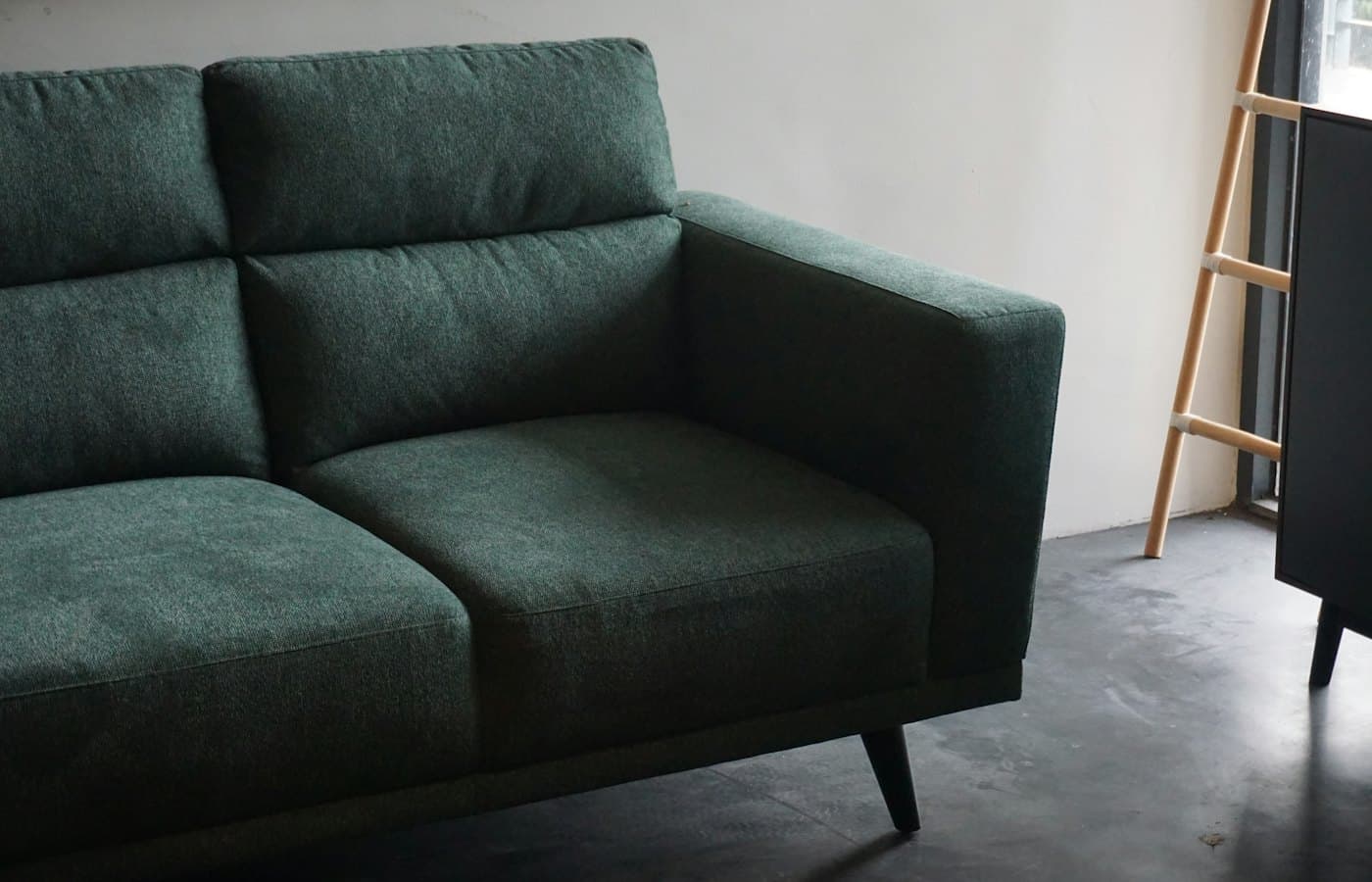 Home & KitchenNon-Toxic Sofas & FurnitureSofas and bed frames checked for GREENGUARD Gold, FSC wood and stated materials, with the formaldehyde and fire rules.
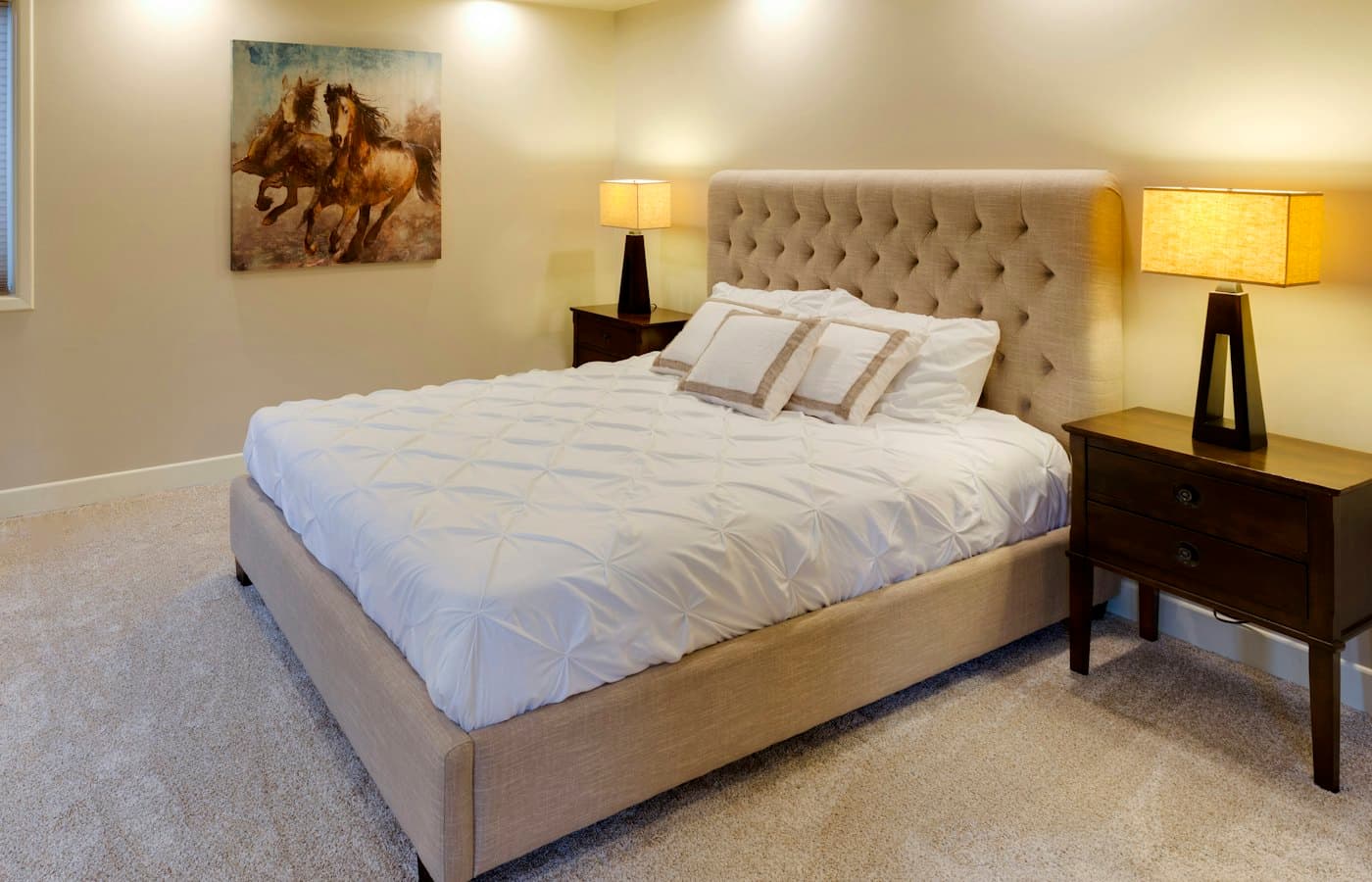 Bedding & BathOrganic MattressesAdult mattresses where GOTS covers the finished product, with GOLS, MADE SAFE and GREENGUARD Gold explained.
 Home & KitchenOrganic & Natural Fiber RugsCotton and wool rugs checked for GOTS or OEKO-TEX Standard 100, plus what to ask about backing and treatments.
 Home & KitchenNon-Toxic CandlesBeeswax, soy and coconut candles listed by the wax, wick and scent each maker discloses, with the fire rules.