Skincare & Beauty
Organic Makeup
Very little makeup can be certified organic the way food is, because pigments are minerals or color additives and not farm products. The FDA does not define organic on cosmetics. What you can check is a named standard: NSF/ANSI 305 or COSMOS Organic for organic content, or EWG Verified for ingredient screening and disclosure.
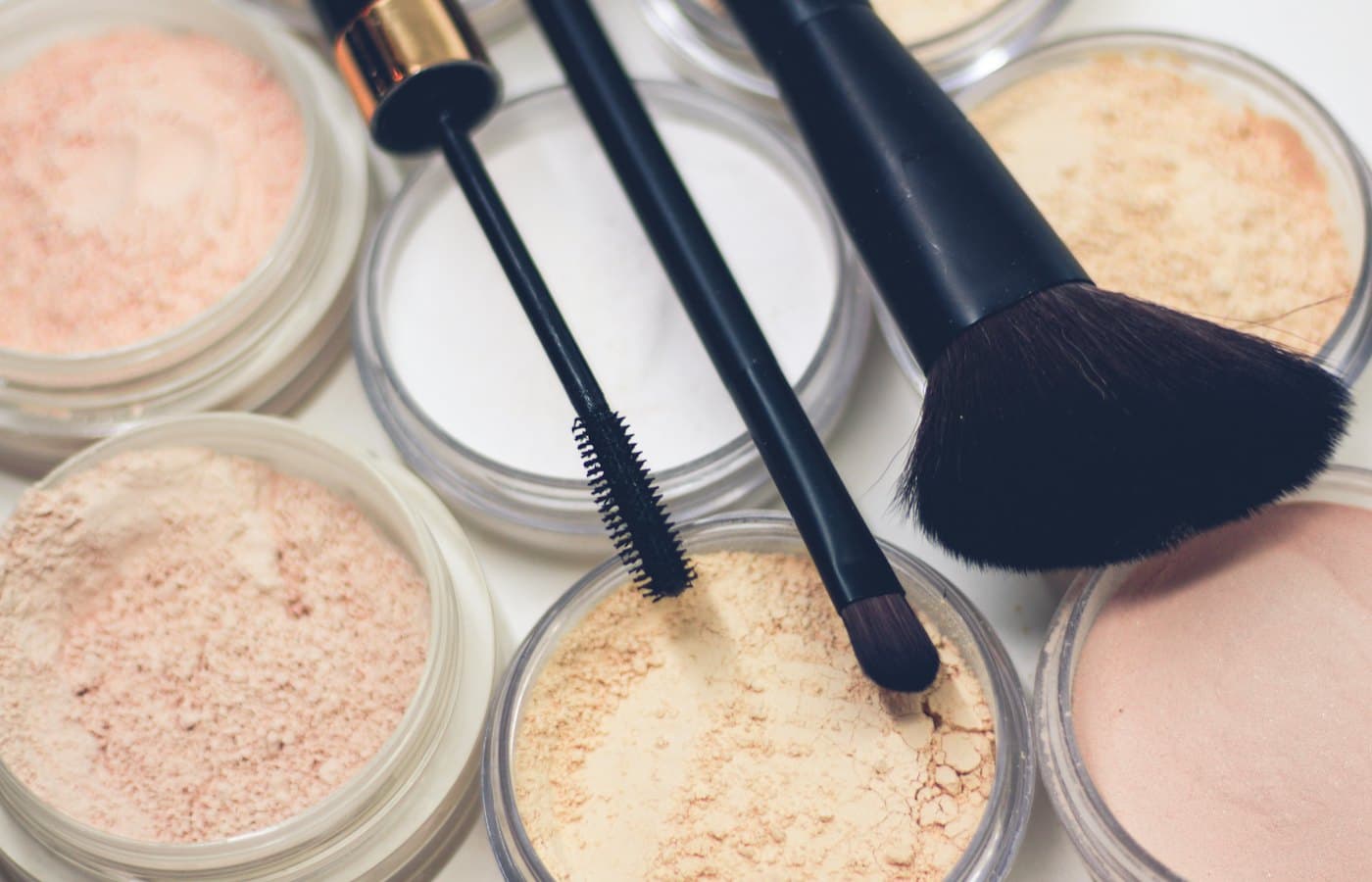
What organic means here
We found no mainstream makeup carrying the USDA Organic seal that we could confirm today, so this page accepts NSF/ANSI 305 and COSMOS Organic for organic content and EWG Verified or MADE SAFE for ingredient screening. Each pick says which it is. Ingredient screening is not an organic certification, and we say so on every pick.
Look for
- A certifier's name beside any organic claim, and an organic percentage
- "Contains organic ingredients", the wording NSF/ANSI 305 products use
- The EWG Verified mark, which requires full ingredient disclosure including fragrance
- A complete ingredient list, with pigments shown by name or CI number
Be wary of
- "Organic" in a brand name when no product certification is named
- "Natural" or "mineral" pigments sold as exempt from regulation: the FDA requires approval for all color additives
- Kohl eyeliners, which the FDA says are not approved for cosmetic use in the US
- Makeup with an SPF number treated as your only sun protection
Products that carry the certification
We have not tested these products. Each one was checked against the brand’s own page and the certifier’s records. Product links may be affiliate links: if you buy through one we may earn a commission, at no extra cost to you. How we choose.
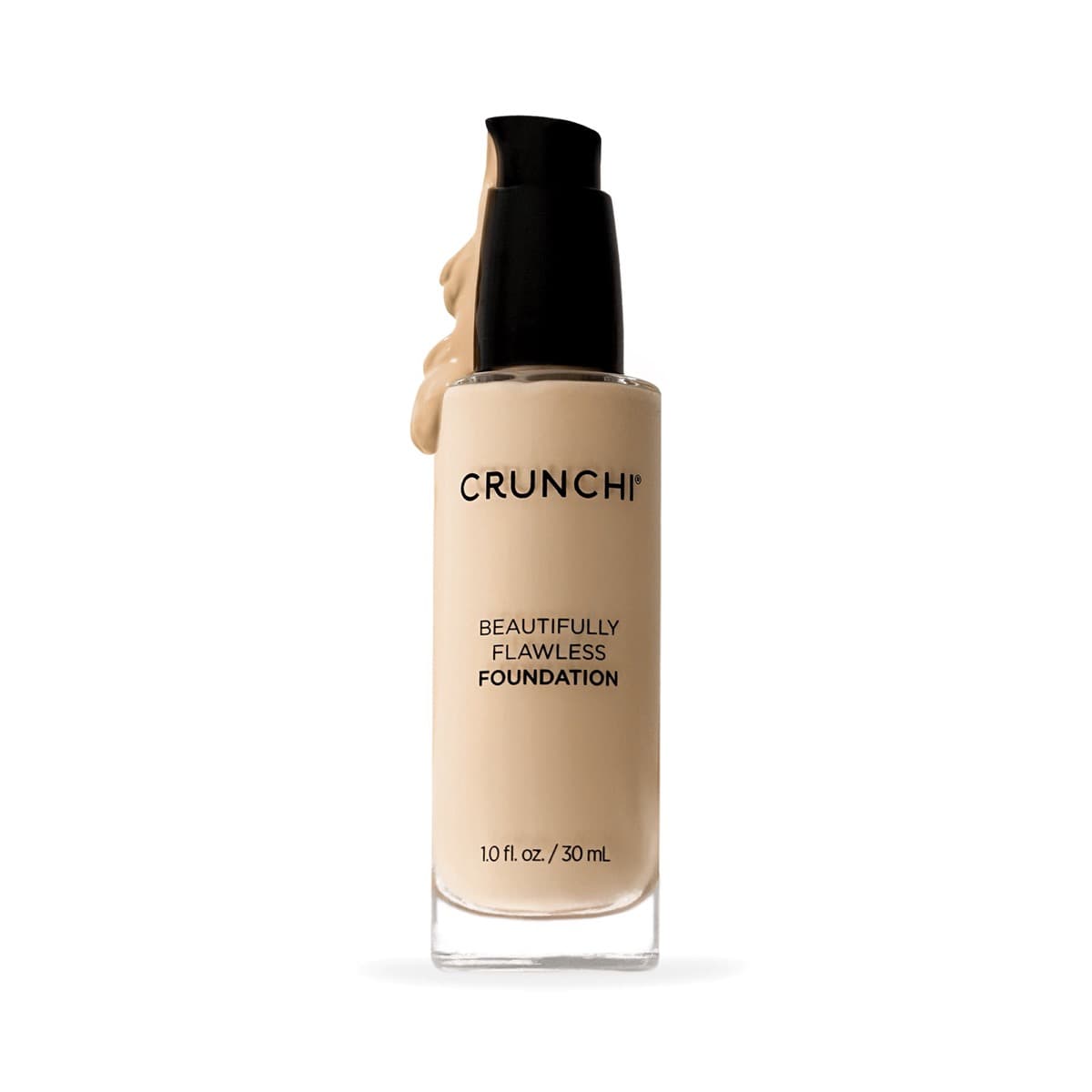
Photo: Crunchi 1CrunchiLiquid foundation, EWG VerifiedBeautifully Flawless Foundation
- EWG Verified
- Leaping Bunny
A liquid foundation colored with titanium dioxide and iron oxides. The product page lists it as EWG Verified and Leaping Bunny Certified, and the ingredient list marks which botanical ingredients are certified organic.
Good to know: EWG Verified screens ingredients and disclosure. It is not an organic certification, and only some ingredients here are marked organic. The list includes dimethicone and alcohol.
Checked against: crunchi.com
View at Crunchicrunchi.com
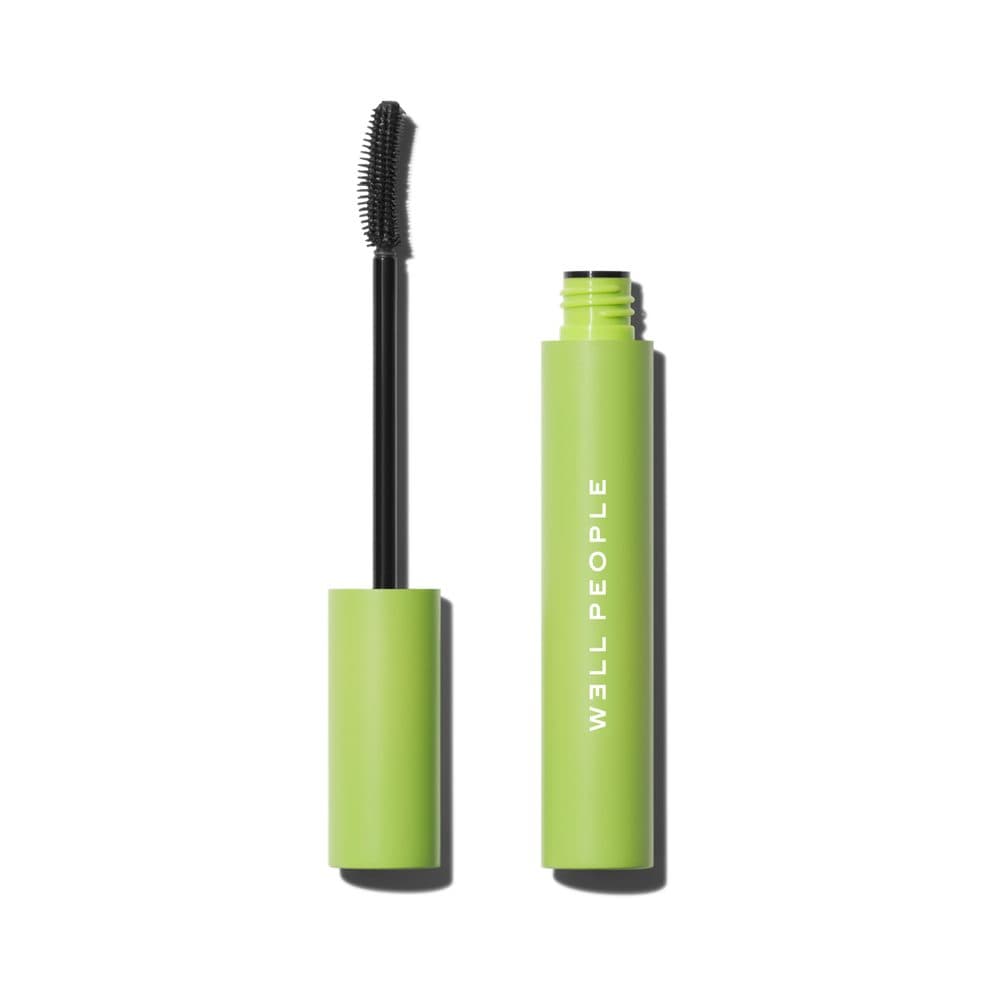
Photo: Well People 2Well PeopleVegan mascara, EWG VerifiedExpressionist Curling Mascara
- EWG Verified
- Leaping Bunny
A vegan mascara made with olive oil and carnauba and rice waxes. The brand describes it as EWG-verified, and EWG's Skin Deep database shows it bearing the EWG Verified mark. The page says Well People is Leaping Bunny certified.
Good to know: No organic certification. It is listed for ingredient screening and disclosure only. Other mascaras in the same line are separate formulas with their own EWG entries.
Checked against: wellpeople.com · ewg.org
View at Well Peoplewellpeople.com
- 3OgeeBlush, bronzer and highlight sticks
Sculpted Face Stick
A cream color stick sold in blush, bronzer and highlighter shades. The product page calls it certified organic and says the brand's NSF certification requires a minimum of 70 percent organic ingredients. That is the organic-content tier written for personal care.
Good to know: The page says NSF certification without printing the standard number or the certifier. Look for "contains organic ingredients" and an exact percentage on the box. This is not the USDA Organic seal.
Checked against: ogee.com
View at Ogeeogee.com
- 4ATTITUDEPlastic-free foundation stick
Oceanly Foundation
A light-coverage foundation stick in six shades. The product page describes it as EWG Verified, vegan and plastic-free, and says the formula is made with more than 99 percent natural origin ingredients under ISO 16128.
Good to know: Natural origin under ISO 16128 is not organic, and the page names no organic certification. EWG Verified is an ingredient screen. Six shades is a narrow range.
Checked against: attitudeliving.com
View at ATTITUDEattitudeliving.com
Products with a photo are shown first; otherwise the order says nothing about quality. Certifications can lapse: check the certifier’s database before you buy.
Why certified organic makeup is rare
Organic is a farming word. The USDA regulates it for agricultural ingredients, and a cosmetic can be certified under those rules only if it is made of them. Makeup is mostly not. Its color comes from pigments such as iron oxides and titanium dioxide, and COSMOS notes that mineral ingredients can never be organic.
Two private standards were written to deal with that. NSF/ANSI 305 certifies personal care products with at least 70 percent organic content by weight and requires the exact percentage on the label. COSMOS Organic sets its own percentages and prints the organic share of the whole product. A lipstick or cream blush, which is mostly oils and waxes, has a better chance of qualifying than a pressed powder.
Everything else on the shelf falls back on ingredient screening. EWG Verified products cannot contain ingredients on EWG's unacceptable list and must disclose every ingredient, including fragrance. That is useful, and it is a different promise from organic.
Color additives are approved by the FDA, even natural ones
Most cosmetic ingredients do not need FDA approval before sale. Color additives are the exception. The FDA says every color additive in a cosmetic must be approved for its intended use, and a color may not be used near the eye unless its regulation specifically permits that.
Colors from mineral, plant or animal sources are exempt from batch certification, but the FDA says they are not exempt from approval. A cosmetic that breaks the color additive rules is considered adulterated. So "mineral makeup" is a description of the pigment, not a lighter set of rules.
Mascara and eye makeup: the FDA's safety tips
None of this changes with an organic or verified seal. A formula with fewer synthetic preservatives is not a reason to keep a tube longer.
Makeup with SPF is a drug too
The FDA decides whether a product is a cosmetic or a drug by its intended use. Makeup with a sun-protection claim is both, and has to meet the requirements for both. Read its Drug Facts panel the way you would for any sunscreen, and see our mineral sunscreen page for what the FDA says about active ingredients.
Questions people ask
Can makeup be USDA certified organic?
In principle, if it is made of agricultural ingredients and meets the same National Organic Program standards as food. In practice most makeup depends on mineral pigments and other ingredients that are not farm products. We could not confirm a widely sold foundation or mascara with the USDA Organic seal today, so the picks here are certified to other standards and labeled as such.
Is mineral makeup the same as organic makeup?
No. Mineral describes the pigments, such as iron oxides, titanium dioxide and mica. Minerals are mined or manufactured, not grown, so they cannot be organic. A mineral foundation may also contain organic plant oils, and a certified product will state the organic percentage. The FDA requires mineral colors to be approved color additives like any other.
What does EWG Verified mean on makeup?
EWG says the mark indicates a product meets its strictest standards for transparency and health. Verified products cannot contain any ingredient on EWG's unacceptable list, must meet its ingredient disclosure standards, including for fragrance, and must be made under current good manufacturing practices. It does not measure organic content, so a verified mascara may contain no organic ingredients at all.
How long should I keep mascara?
The FDA says manufacturers usually recommend discarding mascara two to four months after purchase, and that you should throw away mascara that has dried up instead of adding water or saliva to it. The agency also advises against sharing eye makeup, because another person's bacteria may be hazardous to you. An organic or verified formula follows the same timeline.
Are natural pigments regulated differently from synthetic dyes?
Only in one respect. The FDA says colors obtained from mineral, plant or animal sources are exempt from batch certification, which is required for many synthetic dyes. They are not exempt from approval. Every color additive must be approved for its intended use, and there are separate limits on what may be used near the eyes.
Sources
Each page was opened and read on October 11, 2026.
- FDA: "Organic" Cosmetics
- NSF: Personal Care Products Containing Organic Ingredients
- COSMOS: COSMOS Certification, Organic and Natural
- EWG Skin Deep: Understanding Skin Deep ratings
- FDA: Color Additives and Cosmetics: Fact Sheet
- FDA: Eye Cosmetic Safety
- FDA: Is It a Cosmetic, a Drug, or Both? (Or Is It Soap?)
Keep reading
 Skincare & BeautyOrganic Face CareFace oils and creams sorted by what they are certified to: USDA Organic, COSMOS Organic, NSF/ANSI 305 or MADE SAFE.
 Personal CareOrganic Lip BalmLip balms that state USDA Organic certification on the brand's own page, and how to read the tube.
 Skincare & BeautyMineral SunscreenZinc oxide sunscreens with a named third-party certification, and what the FDA and NOAA actually say about them.