Garden & Outdoor
Organic Fertilizer: What the Label Means
No fertilizer is USDA certified organic. The seal belongs to farms and food, and fertilizer is an input. What you can check is OMRI Listed, which means the product was reviewed and found allowed for use in certified organic production. Organic fertilizers feed plants slowly, through soil microbes, so timing and a soil test matter more than the brand.

What organic means here
Fertilizers do not carry the USDA Organic seal. On a fertilizer bag, "organic" may only describe where the nutrients come from. This page lists products that appear by name on the OMRI Products List as OMRI Listed: reviewed and allowed for use in organic production. Each pick was checked on the list, along with its status.
Look for
- The OMRI Listed seal, and the same product and company name on the OMRI Products List
- The three N-P-K numbers: nitrogen, phosphate and potash, in that order
- The "derived from" line, which names the actual ingredients
- Application rates for your use: new beds, established plants or containers
Be wary of
- "Organic" or "natural" on the bag with no OMRI seal or other reviewer named
- "Organic-based" with no explanation of what the rest of the blend is
- A listed product from a brand whose other products are not listed: check each one
- Bone, blood, feather or fish ingredients if you want a fertilizer with no animal products
Products that carry the certification
We have not tested these products. Each one was checked against the brand’s own page and the certifier’s records. Product links may be affiliate links: if you buy through one we may earn a commission, at no extra cost to you. How we choose.
- 1Down To EarthBalanced dry blend, ingredients named
Vegetable Garden 4-4-4
A granular blend for vegetable beds. The product page gives the full derived-from line: fish bone meal, alfalfa meal, feather meal, langbeinite, basalt, potassium sulfate, dolomite and seaweed meal. It states the product is listed by the Organic Materials Review Institute, and the OMRI Products List shows it as Allowed.
Good to know: Allowed for use in organic production, not USDA certified organic. Contains fish and feather ingredients, so it is not a vegan fertilizer.
Checked against: downtoearthfertilizer.com · omri.org
View at brand sitedowntoearthfertilizer.com
- 2Neptune's HarvestLiquid concentrate, 2-3-1
Fish-Seaweed Blend
A liquid concentrate of hydrolyzed fish and seaweed that you dilute with water. The brand's product page says the Fish/Seaweed fertilizer is OMRI Listed for organic use, and the OMRI Products List shows Neptune's Harvest Organic Fish & Seaweed Fertilizer 2-3-1 as Allowed under Ocean Crest Seafoods.
Good to know: Allowed for use in organic production, not USDA certified organic. It is made from fish. Colorado State University Extension notes that some fish fertilizers smell strongly.
Checked against: neptunesharvest.com · omri.org
View at brand siteneptunesharvest.com
- 3FoxFarmDry 5-7-3 with calcium
Happy Frog Tomato & Vegetable Fertilizer
A dry fertilizer for tomatoes and vegetables in containers or beds. FoxFarm says it contains calcium and mycorrhizal fungi and that it is OMRI Listed and a registered California organic input material. The OMRI Products List shows the 5-7-3 Tomato and Vegetable product as Allowed.
Good to know: Allowed for use in organic production, not USDA certified organic. FoxFarm sells many products that are not on the OMRI list. Within Happy Frog, check each fertilizer by name.
Checked against: foxfarm.com · omri.org
View at FoxFarmfoxfarm.com
- 4Dr. EarthHouseplants, no mixing
Pump & Grow House Plant Indoor Liquid Plant Food 1-1-1
A low-analysis liquid for houseplants in a pump bottle. Dr. Earth says to apply two pumps directly to the soil and water within 24 hours, with no mixing. The OMRI Products List shows Dr. Earth House Plant Pump & Grow Concentrated Indoor Plant Food 1-1-1 as Allowed.
Good to know: Allowed for use in organic production, not USDA certified organic. Only this product and one Dr. Earth potting soil came up on the OMRI list when we searched, so do not assume the rest of the range is listed.
Checked against: drearth.com · omri.org
View at Dr. Earthdrearth.com
Products with a photo are shown first; otherwise the order says nothing about quality. Certifications can lapse: check the certifier’s database before you buy.
What organic means on a fertilizer bag
The USDA Organic seal is for certified farms and what they produce. Fertilizer is something a farm uses, so it is judged against the USDA National List instead. The rule of thumb in that list: in organic crop production, natural substances are allowed unless specifically prohibited, and synthetic substances are prohibited unless specifically allowed.
OMRI, the Organic Materials Review Institute, reviews individual products against those standards. It says a listing assures the suitability of a product for certified organic production when it is used according to its category and any restrictions. It also says both the product name and the company name on the label must match the OMRI Products List, which is why we name the listing company on every pick.
A listing is about what is in the bag. It is not a yield claim, and it does not make the vegetables you grow certified organic. Only a certified farm can sell produce under the USDA Organic seal.
How organic fertilizers feed a plant
Colorado State University Extension explains that nutrients in organic fertilizers generally need the activity of soil microorganisms before plants can take them up. That activity depends on soil temperatures above 50 degrees Fahrenheit and enough moisture. Cold or dry soil delays the release.
In practice this means organic fertilizers work on the soil's schedule. Feeding a cold spring bed will not show quickly, and adding more to hurry it along is how over-application happens.
| Ingredient | Mainly supplies | Note from CSU Extension |
|---|---|---|
| Blood meal | Nitrogen | Can burn plants if over-applied |
| Bone meal | Phosphorus | Available to plants only in soil with a pH below 7.0 |
| Feather meal | Nitrogen | Releases slowly, over four months or more |
| Alfalfa meal | Organic matter | Modest nutrients; may contain seeds |
| Kelp | Micronutrients | Not a main source of N, P or K |
Reading the numbers and the fine print
- N-P-K: three numbers for nitrogen, available phosphate and soluble potash, as shares of the bag by weight. A 4-4-4 is balanced. A 5-7-3 leans toward phosphate.
- Derived from: the ingredient line. This is where you find out whether the nitrogen is feather meal, fish or something else.
- The analysis panel: may also list calcium, magnesium or iron, as the Down To Earth label does.
- Rates: University of Minnesota Extension notes that natural organic fertilizers have lower nutrient concentrations, so you need more product to supply the same nutrients. Measure, do not guess.
Test first, then feed
Colorado State's advice is to conduct a soil test before applying any fertilizer, to find out what your soil is actually short of. Its own rate tables come with a warning that over- or under-fertilizing can happen when you follow general recommendations.
Soil pH matters too, since it decides whether a product like bone meal will do anything at all. If you are filling new containers, the mix comes first: see organic potting soil. For beds, finished compost from your own compost bin adds organic matter alongside any fertilizer you buy.
Questions people ask
Is OMRI Listed fertilizer safe for vegetables?
OMRI Listed means the product was reviewed and found allowed for use in certified organic production, which includes food crops. It is not a safety rating. Any fertilizer can harm plants if you apply too much, and blood meal in particular can burn. Follow the rates and precautions printed on the label of the product you buy.
Can fertilizer be USDA certified organic?
No. USDA certification applies to farms and the crops, livestock and processed foods they produce. Fertilizers are inputs, reviewed against the National List of allowed and prohibited substances. A third-party reviewer such as OMRI checks a product against those rules and lists it. So the accurate phrase on a bag is "OMRI Listed" or "for organic use", not "certified organic".
Do organic fertilizers work as fast as synthetic ones?
Generally not. Colorado State University Extension says nutrients in organic fertilizers need soil microorganisms to convert them before plants can use them, and that this depends on soil above 50 degrees Fahrenheit with enough moisture. Release times for common ingredients run from one to four months or longer. Plan ahead and apply before plants need the nutrients, not after they look hungry.
What does "Allowed with Restrictions" mean on the OMRI list?
It means the material is allowed only under stated conditions, and the listing spells them out. For example, some listed micronutrient products require a documented deficiency from soil or tissue testing. OMRI says restrictions apply to all products in certain categories. They bind certified growers, but they are useful to a home gardener too, because they show when a product is meant to be used.
Do I need fertilizer if I use compost?
Sometimes. Compost improves soil structure and helps soil hold moisture and nutrients, according to the EPA, and it reduces the need for fertilizer. It is not a measured nutrient source the way a labeled fertilizer is. A soil test will tell you whether something specific is missing. Our home composting guide covers making your own.
Sources
Each page was opened and read on October 11, 2026.
- Organic Materials Review Institute: Using OMRI Listed Products
- USDA Agricultural Marketing Service: The National List of Allowed and Prohibited Substances
- Colorado State University Extension: Organic Fertilizers
- University of Minnesota Extension: Fertilizing lawns
- U.S. Environmental Protection Agency: Composting At Home
Keep reading
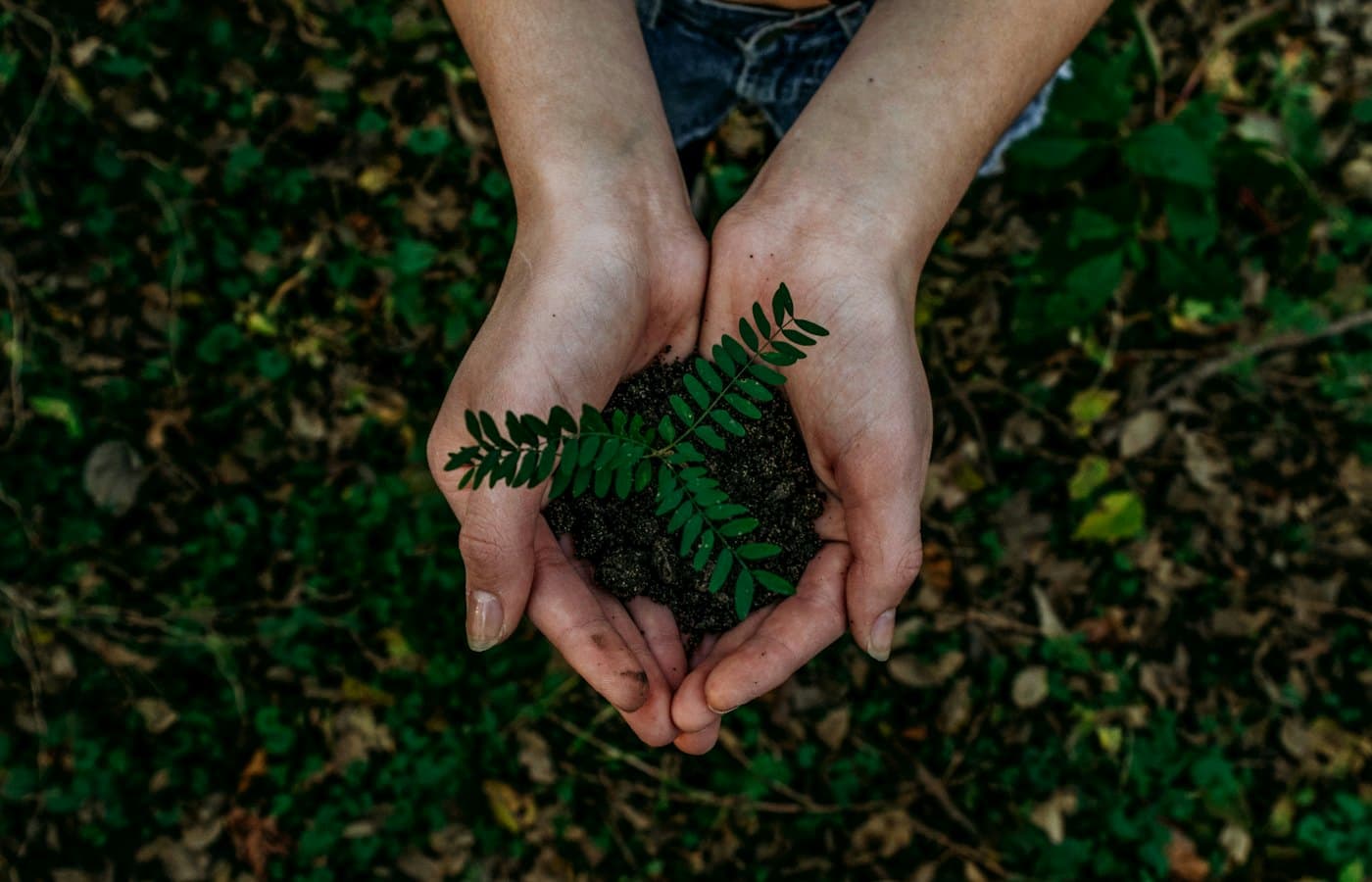 GardenOrganic Potting Soil & CompostSoil cannot carry the USDA seal. What OMRI Listed means on a bag, and four mixes on the OMRI list.
 GardenOrganic Lawn CareLawn products cannot be certified organic. What OMRI Listed means on a bag, and three listed picks.
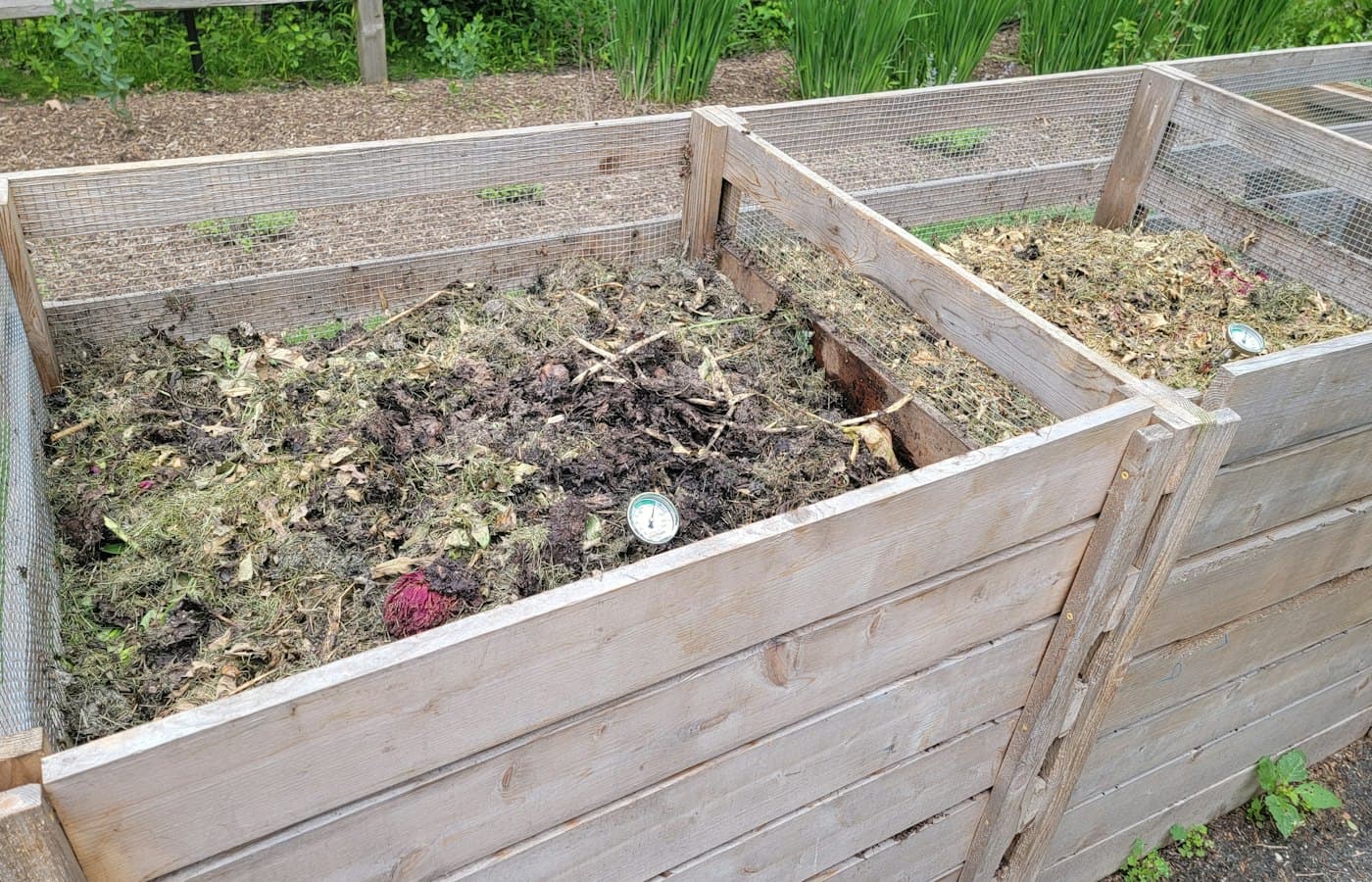 GardenCompost Bins & CompostersNo compost bin is certified organic. What to check instead: the type, the material and pest-proofing.
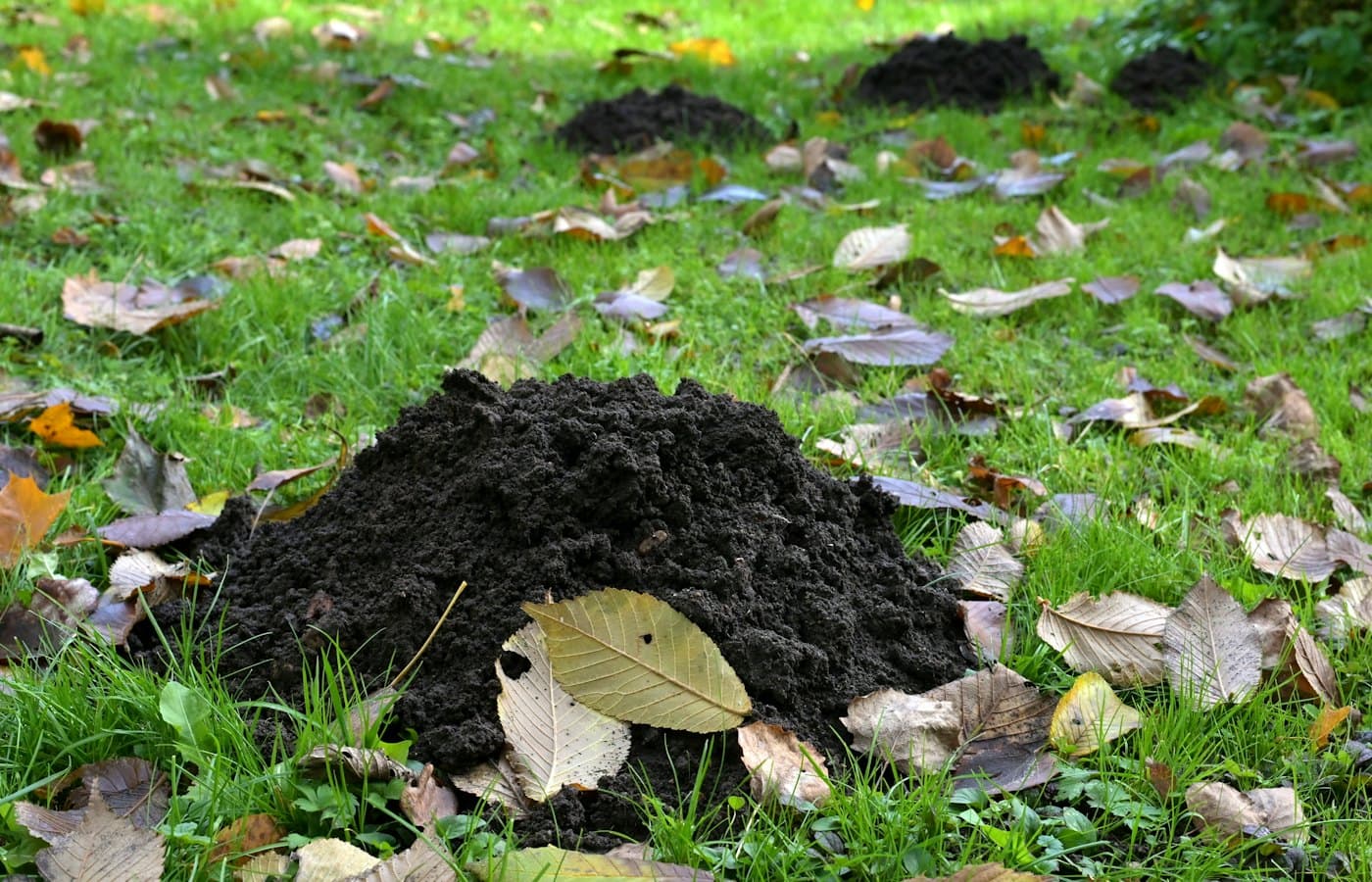 GuideHome composting for beginnersBrowns, greens, air and water: how to start a compost pile, what to leave out, and when it is ready to use.
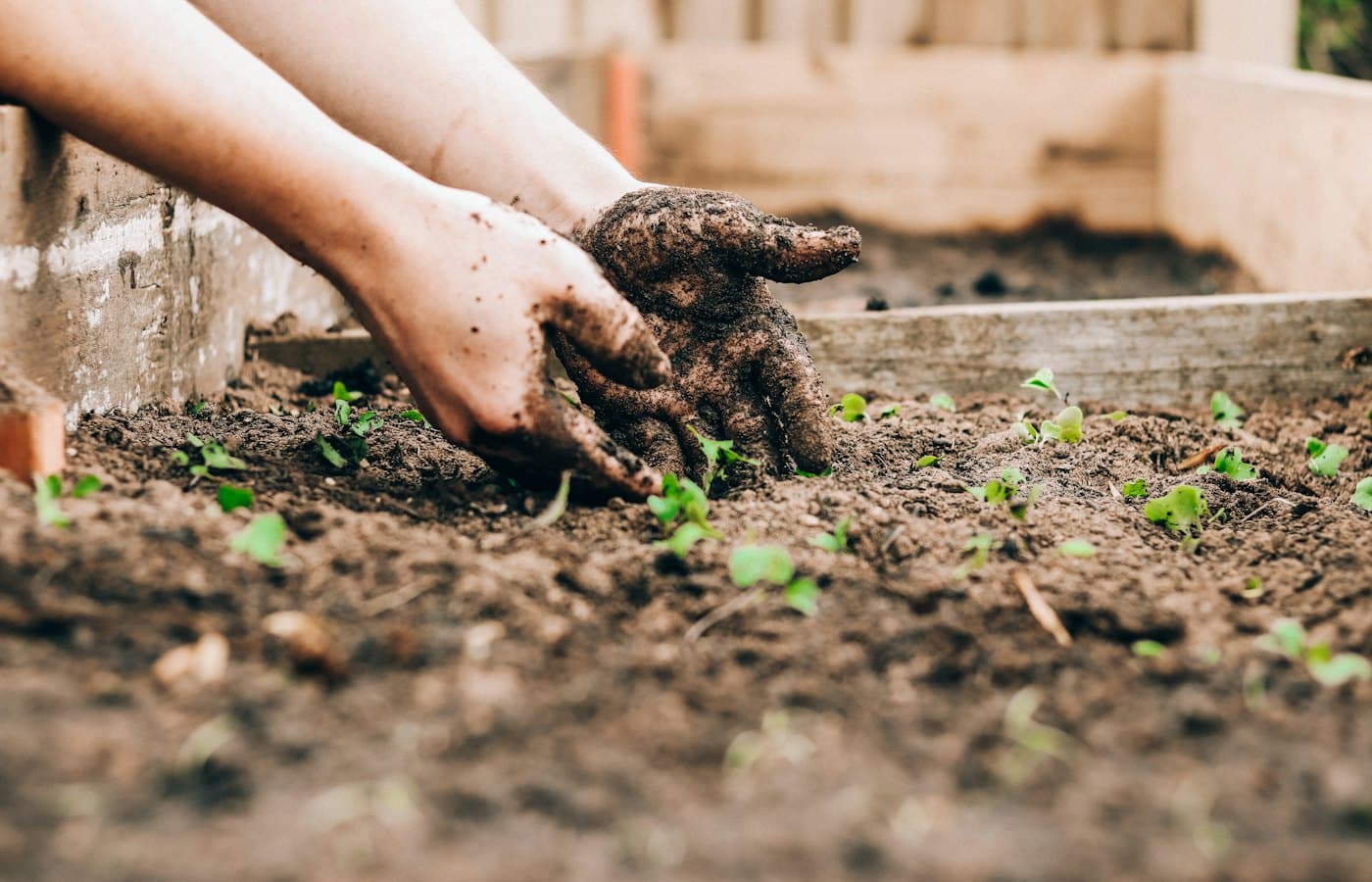 GuideHow to start an organic gardenSun, soil, seeds and pest control for a first organic vegetable garden, with what the labels on garden products mean.