Garden
How to start an organic vegetable garden
Start small, in the sunniest spot you have, close to water. Test the soil, add compost, plant what you like to eat at the right time for your area, and prevent pest problems before you reach for a spray. Organic gardening is mostly about building soil and choosing inputs allowed in organic growing.
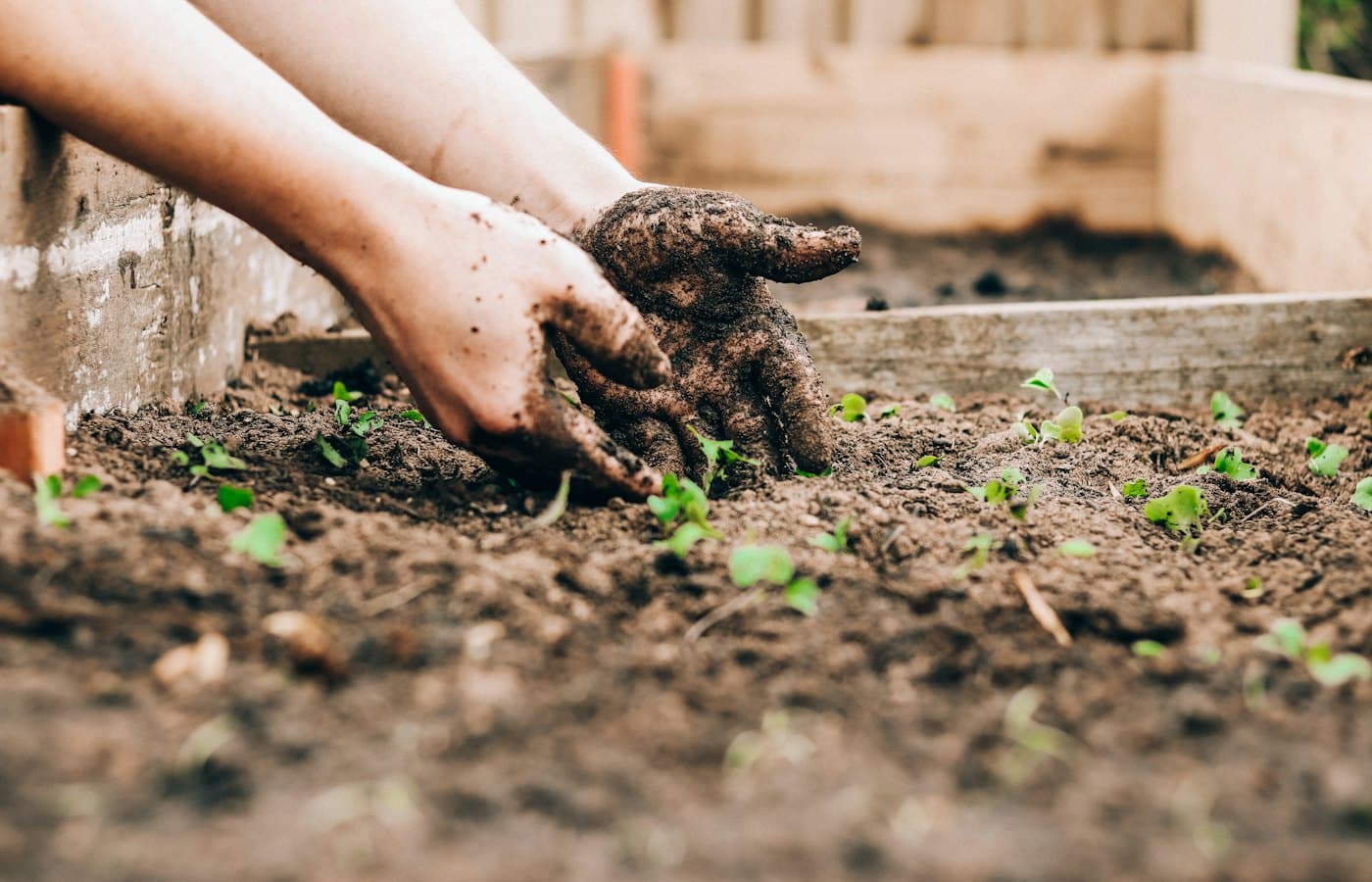
What makes a vegetable garden organic?
For farms, the USDA organic standards spell it out. Soil fertility is managed through tillage and cultivation practices, crop rotations and cover crops, supplemented with animal and crop waste materials and allowed synthetic materials. Pests, weeds and diseases are controlled primarily through management practices, including physical, mechanical and biological controls. Genetic engineering, ionizing radiation and sewage sludge are prohibited.
Certified land must also have had no prohibited substances applied for at least 3 years before an organic crop is harvested, and operations must use organic seeds and planting stock when available.
A backyard garden is not inspected, so nobody will hold you to those rules. They are still the clearest description of the method. If you later sell produce, the USDA requires certification before you call it organic, with a narrow exemption for operations with very small annual organic sales.
How to choose a site for a vegetable garden
NC State Extension's advice for beginners is to choose a convenient site in full sun with easy access to water and fertile, well-drained soil, away from trees and large shrubs that compete for sunlight, water and nutrients.
- Sun: most vegetables need at least eight hours of direct sunlight. Leafy greens and root crops such as radishes and beets can be grown in as little as six hours but do better with more. Fruiting crops such as tomatoes, squash and cucumbers need at least eight and do better with ten.
- Water: vegetables need about one inch of water per week on average, and you supply only what rain does not. Put the garden where a hose reaches easily.
- Size: start small. NC State notes that one 4 foot by 8 foot raised bed, planned and planted properly, may supply a good portion of the produce for one or two people.
- Containers: many vegetables grow in pots deep enough for their roots. Use potting mix, not garden soil, in containers.
- Climate: the USDA Plant Hardiness Zone Map shows which perennial plants are most likely to thrive where you live, based on average annual extreme minimum winter temperature. For annual vegetables, your local extension office's planting calendar is the better tool.
How to test and prepare garden soil
Soil is where an organic garden succeeds or struggles, and a lab test is the starting point. University of Minnesota Extension calls a lab soil test the most reliable way to learn the state of your soil. A regular test reports texture, pH, organic matter, phosphorus and potassium, and comes with recommendations.
- 1
Take a sample
Collect soil from several places in the garden area, mix it in a bucket, let it dry if wet, and send one to two cups to the lab. Your county extension office can tell you where to send it.
- 2
Ask about lead if children will garden with you
Many labs can test for lead for an added fee. Minnesota Extension notes that exposure to lead in soil is a health concern, especially for young children and pregnant adults.
- 3
Add organic matter
University of Maryland Extension suggests adding 2 to 4 inches of compost and working it into the top 4 inches of soil that is already in good condition. You can buy bagged compost or make your own, as described in home composting for beginners.
- 4
Consider a raised bed
Raised beds are usually 2 to 4 feet across, with paths alongside so you never stand on the planting soil. Maryland Extension suggests filling them with a mix of compost and topsoil. See our page on organic potting soil and compost for bagged options.
- 5
Fertilize from the test, not from habit
NC State advises fertilizing only as needed, following the soil analysis, and warns that overfertilizing can produce lush growth with less flowering and fruit. If the test calls for nutrients, see organic fertilizer.
- 6
Retest every few years
Minnesota Extension recommends testing every three to five years, and whenever you convert lawn to garden.
What do USDA Organic and OMRI Listed mean on garden products?
Two marks show up in the garden aisle, and they are not interchangeable.
| Mark | Found on | What it means |
|---|---|---|
| USDA Organic | Seeds, seedlings, plants | The seed or plant was produced by a certified organic operation under the USDA organic regulations |
| OMRI Listed | Fertilizers, soil amendments, pest controls | The Organic Materials Review Institute reviewed the input and found it compliant with organic standards. OMRI reviews inputs only and does not certify food |
Choosing organic seeds and deciding what to plant
Grow what you like to eat. If space is tight, NC State suggests concentrating on crops that give the most return for the effort, such as pole beans, tomatoes, root crops and leafy greens.
Certified organic farms must use organic seed when it is available, so organic seeds are widely sold in home garden packets too. Seeds offer more variety and cost less than transplants. Transplants give you a faster start, which matters for slow crops and short seasons.
Timing depends on the crop. Cool-season vegetables such as lettuce, peas, spinach, broccoli and carrots are planted in early spring and again for fall. Warm-season vegetables such as tomatoes, peppers, beans, squash and cucumbers go in after the last spring frost, once the soil has warmed.
Plant seeds only two to three times as deep as the seed is wide, space them as the packet says, and stagger plantings a week or two apart if you want a steady harvest instead of one large one.
How to control pests in an organic garden
The EPA describes integrated pest management as a four-step approach: set a threshold for action, monitor and identify pests, prevent problems, and only then control. It notes that organic food production applies many of the same ideas but limits pesticides to those produced from natural sources. The EPA also says home gardeners can use the same principles.
- Keep plants unstressed. NC State notes that pests are attracted to stressed plants, so sun, water and fertility come first.
- Rotate crops. Plan a three to four year rotation so plants from one family do not grow in the same spot in succession.
- Choose resistant varieties. Seed packets and plant tags list disease resistance.
- Water the soil, not the leaves. Soaker hoses and drip lines reduce the wet foliage that leads to disease.
- Mulch. One to two inches of weed-free loose mulch keeps weeds down and soil moist.
- Scout every day or two, including the undersides of leaves, and learn to tell pests from beneficial insects.
- Remove diseased plants and pull weeds before they set seed.
- If you do need a product, use the least toxic option that works, follow the label, and avoid spraying plants in bloom to protect bees. Our organic pest control page lists OMRI Listed options.
Questions people ask
Do I need organic seeds to grow an organic garden?
For a home garden, no rule requires it. The USDA standard for certified farms is to use organic seeds and planting stock when available, and many home gardeners follow the same practice. An organic seed packet tells you the seed crop was grown by a certified organic operation. How you grow the plant afterward is up to you.
Can bagged soil or fertilizer be USDA certified organic?
Look for OMRI Listed instead. The Organic Materials Review Institute reviews input products such as fertilizers and pest controls for compliance with organic standards, and says it exclusively reviews inputs and does not certify food or fiber products. The word organic on a bag of soil is not proof of either, so check for the OMRI mark and read the ingredient list.
How much sun does a vegetable garden need?
NC State Extension says most vegetables need at least eight hours of direct sunlight. Leafy greens such as lettuce, kale and spinach, and root crops such as radishes and beets, can be grown in as little as six hours but do much better with eight or more. Tomatoes, squash and cucumbers need at least eight and do better with ten.
Is wood for raised beds safe for growing food?
University of Maryland Extension lists untreated lumber, naturally decay-resistant woods such as cedar, and stone or brick among common choices. It notes that the older preservative chromated copper arsenate, which contains arsenic, was discontinued for outdoor residential use in 2004. NC State advises against materials that might leach chemicals into the soil, such as old railroad ties.
Can I sell vegetables from my garden as organic?
Only within the USDA rules. Farms and businesses that sell, label or represent products as organic must be certified by a USDA-accredited certifying agent. The USDA exempts operations with very small annual organic sales, but they must still follow the organic production requirements and keep records, and they cannot use the USDA Organic seal.
Sources
Each page was opened and read on October 11, 2026.
- USDA Agricultural Marketing Service: Organic Standards
- USDA Agricultural Marketing Service: Labeling Organic Products
- NC State Extension: Vegetable Gardening, A Beginner's Guide
- University of Minnesota Extension: Soil testing for lawns and gardens
- University of Maryland Extension: Growing Vegetables in Raised Beds
- USDA Agricultural Research Service: 2023 USDA Plant Hardiness Zone Map
- Organic Materials Review Institute: What We Do
- FDA: Selecting and Serving Produce Safely
- US EPA: Integrated Pest Management (IPM) Principles
Product pages this guide supports
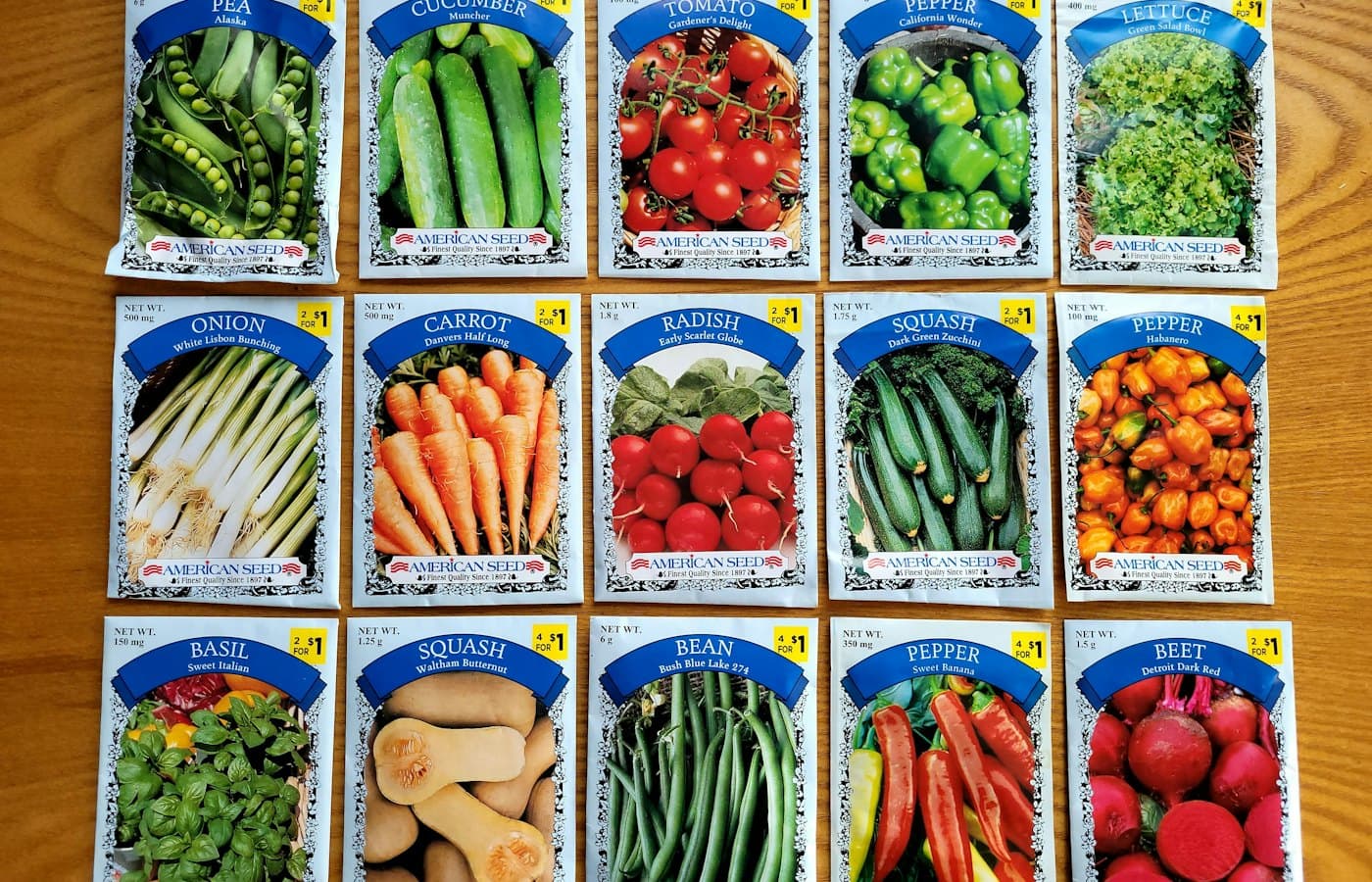 GardenOrganic SeedsSeeds can carry the USDA Organic seal. What it covers, how to read a packet, and three seed houses.
 GardenOrganic Potting Soil & CompostSoil cannot carry the USDA seal. What OMRI Listed means on a bag, and four mixes on the OMRI list.
 GardenOrganic FertilizerFertilizer cannot carry the USDA seal. What OMRI Listed covers, how to read N-P-K, and four listed picks.
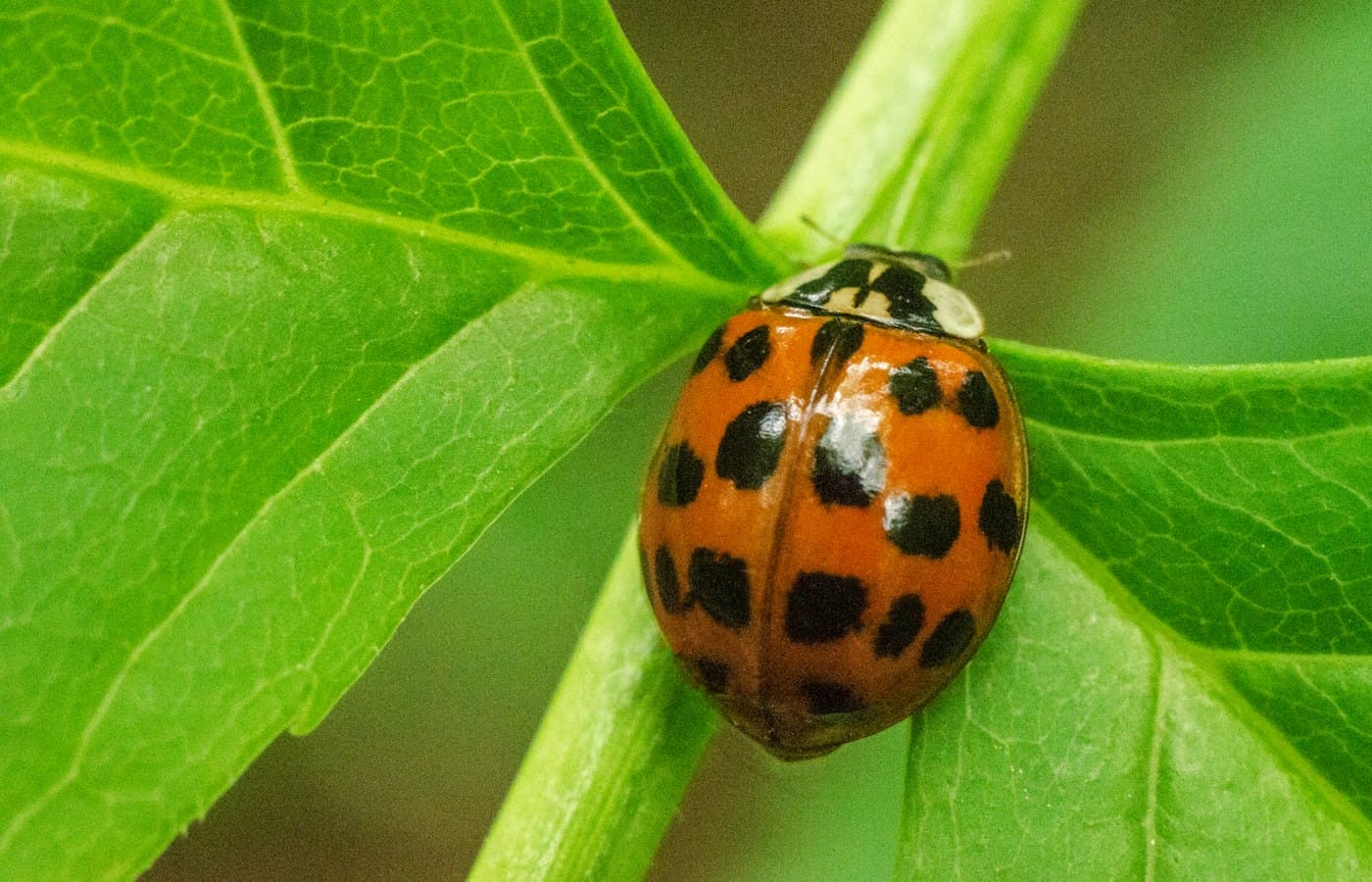 GardenOrganic Pest ControlOrganic-approved pesticides are still pesticides. What OMRI Listed means, and four listed products.