Garden & Outdoor
Organic Seeds: What the Label Means
Seeds are one of the few garden products that can carry the USDA Organic seal, because a seed is a harvested crop. A certified organic seed came from a plant grown under the USDA organic rules by a certified grower. The seal describes how the seed was produced, not how your garden will turn out.
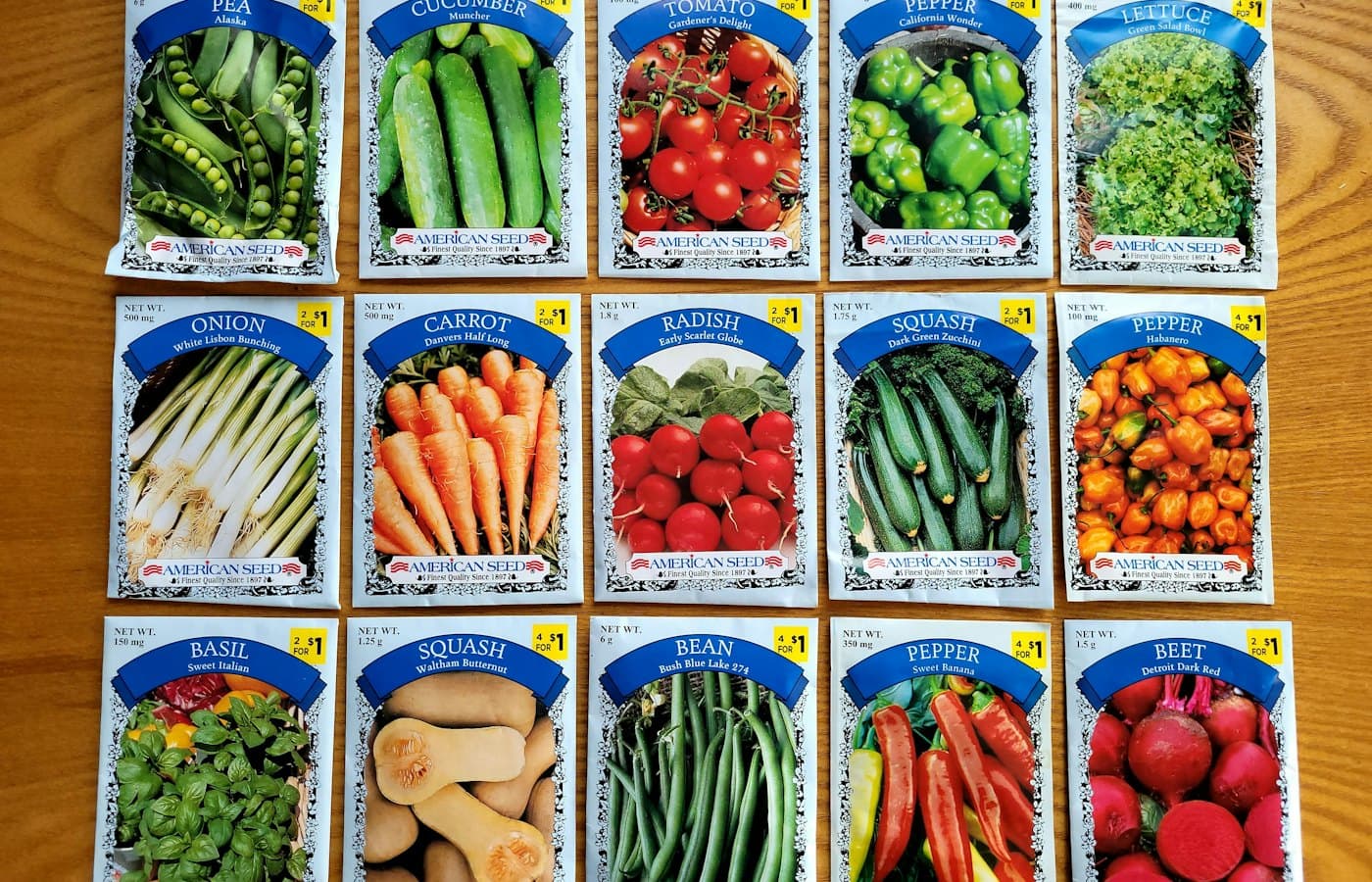
What organic means here
Seed is an agricultural product, so it can be certified to the USDA Organic rules like any other crop. This page lists seed sellers that state their seed is certified organic and, where the page shows it, name the certifier. Heirloom, open-pollinated and non-GMO are separate claims and are not accepted as a stand-in.
Look for
- The USDA Organic seal or the words "certified organic" on the packet
- The certifier's name, usually printed as "Certified organic by" near the seller's address
- "Organic" in the variety name or an organic symbol in a catalog that sells both kinds
- The same organic claim on the seller's website and on the packet in your hand
Be wary of
- "Heirloom" or "open-pollinated" used as if it meant organic. Both describe the variety, not how the seed crop was grown
- "Non-GMO" alone. Organic rules already exclude genetic engineering, but a non-GMO seed is not necessarily organic
- "Untreated" seed. It means no seed coating was applied, not that the seed was grown organically
- "Organically grown" or "natural" with no certifier named
Products that carry the certification
We have not tested these products. Each one was checked against the brand’s own page and the certifier’s records. Product links may be affiliate links: if you buy through one we may earn a commission, at no extra cost to you. How we choose.
- 1High Mowing Organic SeedsWhole catalog is certified organic
Organic Non-GMO Vegetable Seed
A Vermont seed company whose entire range is organic: vegetables, herbs, flowers and cover crops. Its certifications page says it has been USDA certified organic since it was founded in 1996 and verified by the Non-GMO Project since 2014, so you do not have to sort organic from conventional listings.
Good to know: Certification covers how the seed crop was grown. It is not a promise about germination or yield in your garden, which depend on storage, soil, weather and care.
Checked against: highmowingseeds.com · highmowingseeds.com
View at brand sitehighmowingseeds.com
- 2Johnny's Selected SeedsOrganic section inside a larger catalog
Organic Seeds & Plants
Johnny's sells both organic and conventional seed. Its FAQ says its certifier is the Maine Organic Farmers and Gardeners Association, a USDA-accredited certifier, and that certified organic items carry an OG symbol in the catalog and the word Organic in the product name on the website.
Good to know: Not every Johnny's product is organic, by the company's own statement. Check each variety name for the word Organic. The same section also lists supplies, which are not seed and are not covered by the seed certification.
Checked against: johnnyseeds.com · johnnyseeds.com
View at brand sitejohnnyseeds.com
- 3Seeds of ChangeSold on store seed racks
Certified Organic Seeds
A seed line sold where garden seeds are sold, in vegetables, herbs and spices, bee-friendly flowers and collections. The brand's seed page describes the whole line as certified organic seeds, and its FAQ ties organic seed to the USDA National Organic Program.
Good to know: The brand pages we read say certified organic but do not name the certifier. Look for the USDA Organic seal and the certifier's name on the packet itself before you buy.
Checked against: seedsofchange.com · seedsofchange.com
View at brand siteseedsofchange.com
Products with a photo are shown first; otherwise the order says nothing about quality. Certifications can lapse: check the certifier’s database before you buy.
What certified organic means for a seed
A seed packet is a farm product in a small envelope. The USDA says organic products must be overseen by an authorized certifying agent, produced without excluded methods such as genetic engineering, ionizing radiation or sewage sludge, and produced using allowed substances. For seed, that means the parent plants were grown that way, on land a certifier inspects.
The federal rule also explains why organic seed exists as a market. Under 7 CFR 205.204, a certified organic farm must use organically grown seeds, annual seedlings and planting stock. Nonorganic, untreated seed is allowed only when an equivalent organic variety is not commercially available. For edible sprouts there is no exception: the seed must be organic.
That rule binds certified farms, not a backyard. If you are not selling certified organic produce, organic seed is a choice. It supports organic seed growers and keeps your garden consistent with the rest of what we cover in garden and outdoor.
Organic, heirloom, hybrid, non-GMO: four different claims
These claims stack. One packet can be an organic heirloom, and another can be an organic hybrid. The organic claim is the one with a federal rule and an inspector behind it. Our guide to organic vs natural vs non-GMO covers the wording in more detail.
| Word on the packet | What it describes | Does it mean organic? |
|---|---|---|
| Certified organic | How the seed crop was grown and who inspected it | Yes |
| Heirloom or open-pollinated | The variety and how it reproduces | No |
| Hybrid (F1) | A cross of two parent lines | No, but hybrids can be organic |
| Non-GMO | The seed was not genetically engineered | No |
| Untreated | No coating was applied to the seed | No |
How to check a seed seller's claim
- 1
Find the seal or the certifier
The USDA says a seller who is not certified must not make an organic claim on the front panel or use the USDA Organic seal anywhere on the package. A certified seller can tell you who certifies it.
- 2
Check each variety in a mixed catalog
Many seed houses sell organic and conventional lots of the same crop side by side. The organic lot is marked in the name or with a symbol.
- 3
Ask for the certificate
Certified operations hold a certificate that lists what is covered. Several seed companies post theirs, and any of them can send it on request.
Getting organic seed off to a good start
Certification stops at the packet. What happens next is ordinary gardening. University of Minnesota Extension advises starting seeds in a commercial seed-starting mix, not garden soil, because the mix is sterile, lightweight and free from weed seeds. It also says every container needs drainage holes and that seedlings do not need fertilizer until they have several sets of true leaves.
If you want the growing medium to match the seed, see our pages on seed starting kits and potting soil, where the mark to look for is OMRI Listed.
Questions people ask
Are organic seeds worth it for a home garden?
It depends on what you want the purchase to do. Certified organic seed tells you the parent crop was grown under the USDA organic rules, which matters if you want your garden to be organic from the first step or you want to support organic seed growers. No rule requires a home gardener to use it. A conventional, untreated seed grown in organic soil still gives you a plant you raised without synthetic inputs.
Do organic seeds grow better than regular seeds?
The organic label is not a performance claim. It certifies how the seed crop was produced, and it makes no statement about germination rate, vigor or yield. Those depend on the variety, how old the seed is, how it was stored and how you start it. Judge those the way you would for any seed: by the seller's own germination testing and how recently the lot was packed.
Is non-GMO seed the same as organic seed?
No. The USDA organic rules list genetic engineering as an excluded method, so certified organic seed is not genetically engineered. The reverse does not hold: a seed can be non-GMO and still come from a crop grown with synthetic fertilizer and pesticides. Our page on Non-GMO Project Verified explains what that separate label checks.
Can I grow organic vegetables from non-organic seed?
In a home garden, yes, in the everyday sense of the word: how you grow the plant is up to you. Certified farms are held to a stricter rule. They must use organic seed, and may use nonorganic, untreated seed only when an equivalent organic variety is not commercially available. Seed for edible sprouts must always be organic under that rule.
Does organic seed need organic soil?
Nothing on the packet requires it, but most people buying organic seed want the rest of the bed to match. Soil and fertilizer cannot carry the USDA Organic seal. The mark used for those inputs is OMRI Listed, which means the product was reviewed as allowed for use in certified organic production. Our guide on how to start an organic garden walks through the order of steps.
Sources
Each page was opened and read on October 11, 2026.
Keep reading
 GardenOrganic Herb & Seed Starting KitsA kit is seeds plus a growing medium, and each part has its own label. What to check on both.
 GardenOrganic Potting Soil & CompostSoil cannot carry the USDA seal. What OMRI Listed means on a bag, and four mixes on the OMRI list.
 GardenOrganic FertilizerFertilizer cannot carry the USDA seal. What OMRI Listed covers, how to read N-P-K, and four listed picks.
 GuideHow to start an organic gardenSun, soil, seeds and pest control for a first organic vegetable garden, with what the labels on garden products mean.