Garden & Outdoor
Organic Potting Soil and Compost: What the Bag Means
A bag of potting soil cannot be USDA certified organic, whatever the front of the bag says. The mark that means something is OMRI Listed: the Organic Materials Review Institute reviewed that exact product and found it allowed for use in certified organic production. It is a statement about ingredients, not about how well plants grow in it.
What organic means here
"Organic" on a soil bag is not a regulated claim the way it is on food, and soil does not carry the USDA Organic seal. This page lists potting mixes and soils that appear by name on the OMRI Products List as OMRI Listed, which means allowed for use in organic production. We checked each one on the list.
Look for
- The OMRI Listed seal on the bag, and the same product name on the OMRI Products List
- An ingredient list: peat moss or coir, bark, perlite, compost, and the fertilizer source
- Whether it is a potting mix for containers or a garden soil for the ground
- What the fertilizer in the mix is derived from, if the bag says it feeds
Be wary of
- "Organic" or "natural" in the product name with no OMRI seal or other reviewer named
- A brand where one bag is OMRI Listed and the next bag on the shelf is not: listing is per product
- "Garden soil" or "topsoil" used in pots. It is made for in-ground use
- Manure or compost with no statement of what it was made from
Products that carry the certification
We have not tested these products. Each one was checked against the brand’s own page and the certifier’s records. Product links may be affiliate links: if you buy through one we may earn a commission, at no extra cost to you. How we choose.
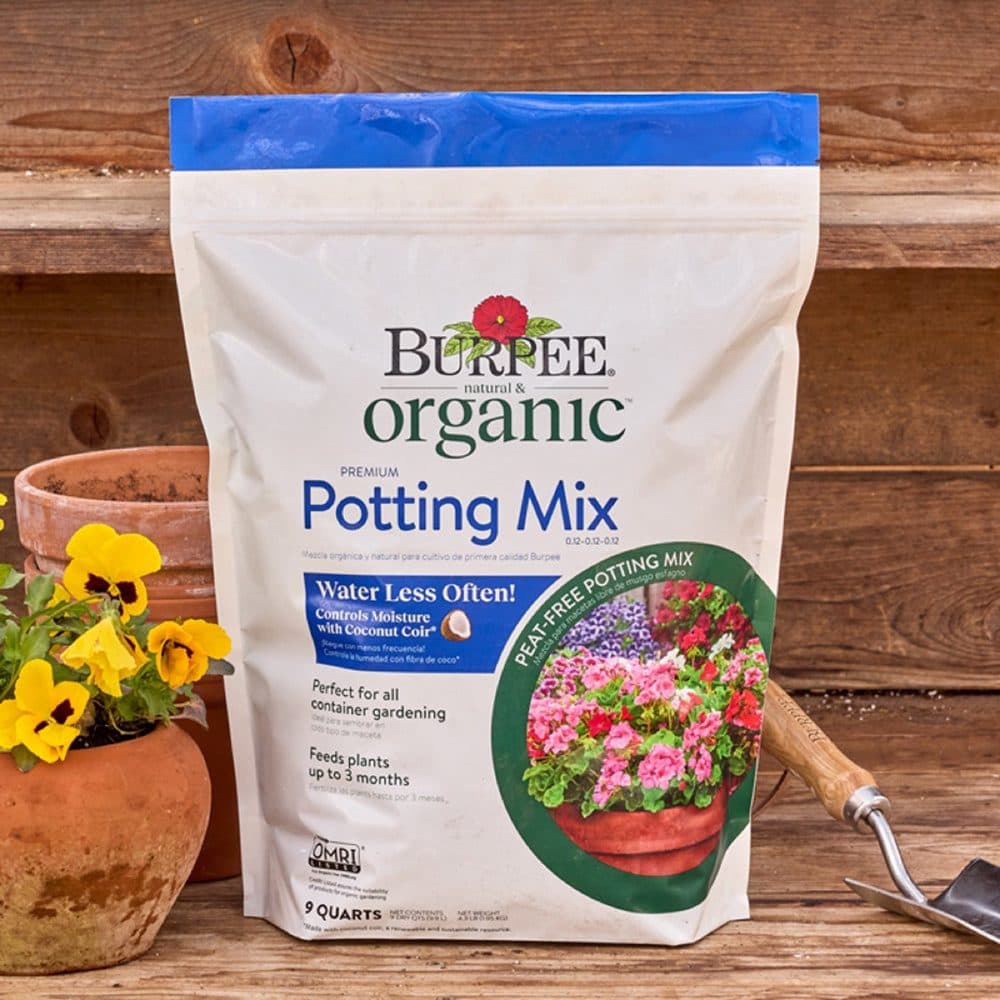
Photo: Burpee 1BurpeeCoconut coir in the mixPremium Organic Potting Mix
A container mix that Burpee says contains moisture-retaining coconut coir and plant food that feeds for up to three months. The product page says it is OMRI labeled for organic use, and the OMRI Products List shows Burpee Natural & Organic Premium Potting Mix as Allowed.
Good to know: Allowed for use in organic production, not USDA certified organic. The OMRI listing is held by the manufacturer, Vogel Seed & Fertilizer, which is the name to look for on the list.
Checked against: burpee.com · omri.org
View at Burpeeburpee.com
- 2Coast of MaineAll-purpose mix for containers
Bar Harbor Blend Potting Soil
A potting soil for flowers, vegetables, herbs and other container plants. The product page lists sphagnum peat moss, composted manure, perlite, aged bark and fertilizer as the ingredients. The OMRI Products List shows it as Allowed under Coast of Maine Organic Products, in the potting soil category.
Good to know: OMRI Listed means the mix is allowed for use in organic production. It is not USDA certified organic. It contains composted manure and peat, which some gardeners prefer to avoid.
Checked against: coastofmaine.com · omri.org
View at brand sitecoastofmaine.com
- 3Black GoldContainers and raised beds
Natural & Organic Potting Mix
An all-purpose mix from Sun Gro Horticulture for containers and raised beds. The brand page states it is OMRI Listed and names the ingredients: Canadian sphagnum peat moss, bark, compost, earthworm castings, perlite, pumice or cinders, an organic fertilizer and an organic wetting agent.
Good to know: Allowed for use in organic production, not USDA certified organic. Black Gold sells other mixes that are not in the Natural & Organic line, so match the full product name.
Checked against: sungro.com · omri.org
View at Black Goldsungro.com
- 4Dr. EarthIndoor containers, manure free
House Plant Potting Soil
A potting soil for indoor containers and house plants. Dr. Earth describes it as manure and odor free, with kelp flour, alfalfa meal, soil microbes and mycorrhizae, and names OMRI on the product page. The OMRI Products List shows Dr. Earth House Plant Indoor Potting Soil as Allowed.
Good to know: Allowed for use in organic production, not USDA certified organic. The listing we confirmed is for this indoor soil only. Check other Dr. Earth bags on the OMRI list by name.
Checked against: drearth.com · omri.org
View at Dr. Earthdrearth.com
Products with a photo are shown first; otherwise the order says nothing about quality. Certifications can lapse: check the certifier’s database before you buy.
Why soil cannot be USDA Organic, and what OMRI does instead
The USDA organic rules certify farms and the crops, animals and foods that come from them. Soil mixes, compost and fertilizers are inputs: things a farm uses. The rules handle inputs through the National List. In organic crop production, the USDA says, natural substances are allowed unless specifically prohibited, and synthetic substances are prohibited unless specifically allowed.
Someone has to check a bagged product against that list. OMRI, the Organic Materials Review Institute, reviews products for compliance with the established standards and says a listing assures the suitability of a product for certified organic production. OMRI also says it does not create or change the standards, and that for a certified farm the certifier always has the final say.
So read the seal for what it is. OMRI Listed means allowed for use in organic growing. It does not mean the peat, bark or manure in the bag came from an organic farm, and it is not a quality grade.
What is in a potting mix
The descriptions above come from the UMass Amherst fact sheet on bagged mixes. It also notes that organic mixes may use yucca extract as the wetting agent, and that the small starter charge of fertilizer in many mixes is usually gone after two to three waterings. After that, feeding is up to you. Our organic fertilizer page covers the options.
| Ingredient | What it does in the pot |
|---|---|
| Peat moss | Holds moisture while leaving air space. Acidic, so limestone is usually added |
| Coir | Coconut husk fiber used in place of peat. Re-wets more easily after drying |
| Bark | Adds aeration, dries out faster than peat |
| Perlite | Heated volcanic rock that improves drainage and aeration |
| Vermiculite | Heated mica that holds moisture and nutrients |
| Compost | Adds nutrients. Quality varies from batch to batch |
Potting mix, garden soil and compost are three different products
UMass Amherst is direct about this: mineral-based soils alone are not recommended for container plants. In a pot, soil compacts and stays waterlogged, which limits the air roots need, and unpasteurized garden soil can carry weeds, insects and disease organisms. Potting mixes are soilless and built for containers. Bagged garden soil is meant for in-ground use.
Compost is a soil amendment, not a growing medium. The EPA suggests mixing two to four inches of finished compost into the top six to nine inches of soil. Bagged compost can be OMRI Listed like any other input. Compost you make at home has no label at all, and you control what goes in. See compost bins for the equipment and our home composting guide for the method.
How to check a bag yourself
- 1
Find the seal, then the exact name
OMRI says the seal lets customers know the product was reviewed, and that users should also verify the current listing on its website. Search the OMRI Products List for the full product name.
- 2
Match the company
Listings are held by the manufacturer, which is sometimes not the brand on the front of the bag. The company name appears on the back with the address.
- 3
Read the status
The list shows each product as Allowed or Allowed with Restrictions, with the restriction spelled out. Restrictions matter most to certified growers.
Questions people ask
Is OMRI Listed the same as certified organic?
No. Certified organic applies to farms and the food and crops they produce. OMRI Listed applies to inputs such as soil, compost and fertilizer, and means the product was reviewed and found allowed for use in certified organic production. A tomato can be certified organic. The potting mix it grew in can only be allowed for organic use. See the USDA Organic page for what the seal itself requires.
Can I use garden soil in pots?
It is not recommended. According to UMass Amherst, mineral-based soil alone compacts in a container and stays saturated with water, which limits the air available to roots. Garden soil that has not been pasteurized can also bring in weeds, insects and disease organisms. Use a potting mix made for containers, and keep bagged garden soil for beds in the ground.
Does organic potting soil have fertilizer in it?
Often, but check the bag. Some mixes carry only a small starter charge, which UMass Amherst says is usually used up after two to three waterings. Others include a longer-feeding fertilizer and say for how long. In an OMRI Listed mix the fertilizer has to be an allowed material, and the label should say what it is derived from, such as kelp meal or composted manure.
Why does my bag say organic but have no OMRI seal?
The USDA labeling rules that restrict the word organic are written for certified farm products and foods, and a bag of soil is an input, not one of those. Without a third-party review you are relying on the maker's word. OMRI says its seal tells customers a product has been reviewed, so a bag without it, or without another named reviewer, has not shown you that step.
Is peat-free potting mix more organic than a peat mix?
Not as far as the listing goes. Peat moss and coconut coir can both appear in OMRI Listed mixes, and the review asks whether each ingredient is allowed, not which is preferable. Coir is used in place of peat and re-wets more easily after it dries out. If avoiding peat matters to you, read the ingredient list, because the front of the bag may not say.
Sources
Each page was opened and read on October 11, 2026.
- Organic Materials Review Institute: Using OMRI Listed Products
- USDA Agricultural Marketing Service: The National List of Allowed and Prohibited Substances
- UMass Amherst Center for Agriculture, Food, and the Environment: Bagged Potting Mixes and Garden Soils for Home Gardeners
- U.S. Environmental Protection Agency: Composting At Home
Keep reading
 GardenOrganic FertilizerFertilizer cannot carry the USDA seal. What OMRI Listed covers, how to read N-P-K, and four listed picks.
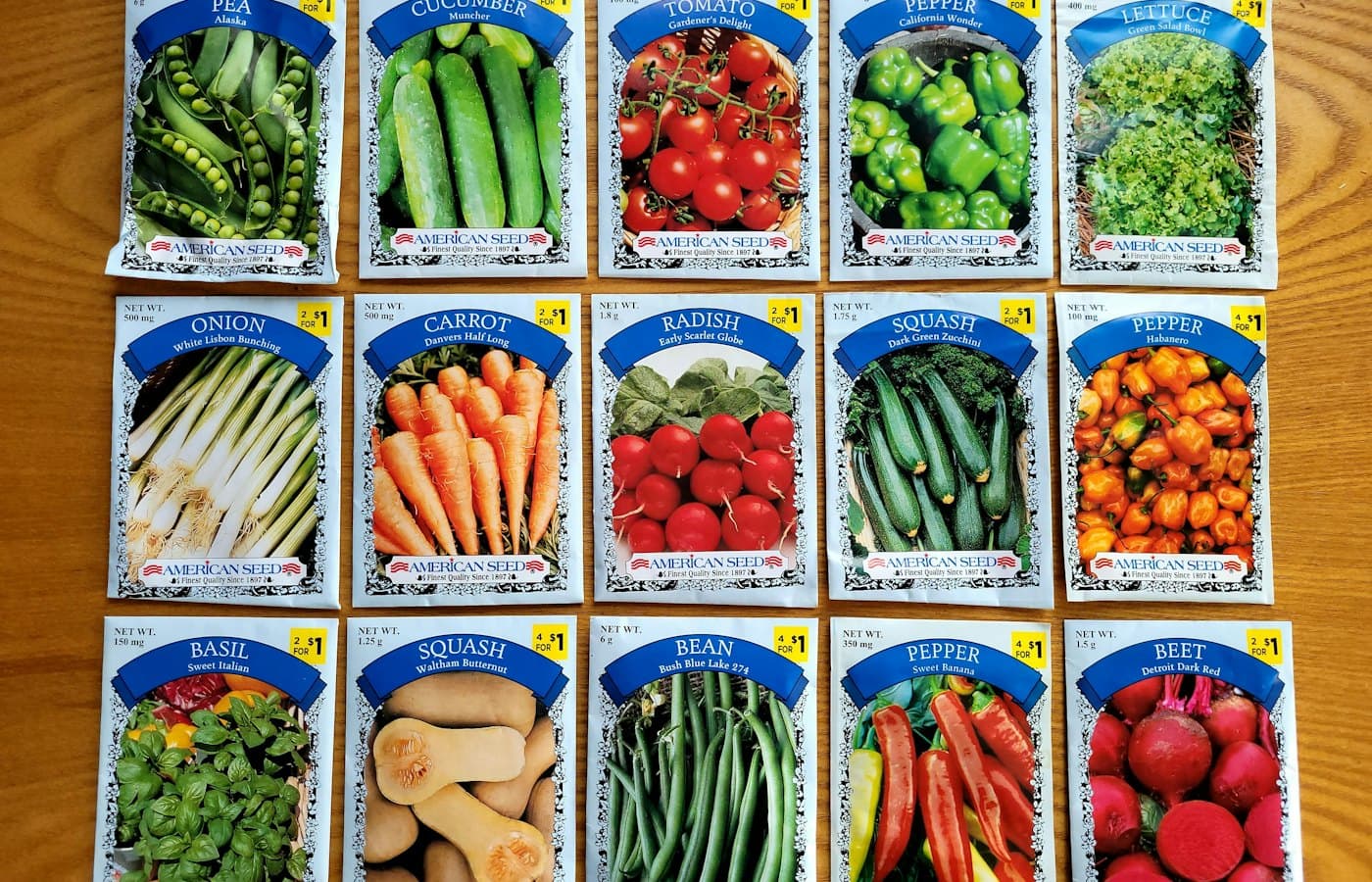 GardenOrganic SeedsSeeds can carry the USDA Organic seal. What it covers, how to read a packet, and three seed houses.
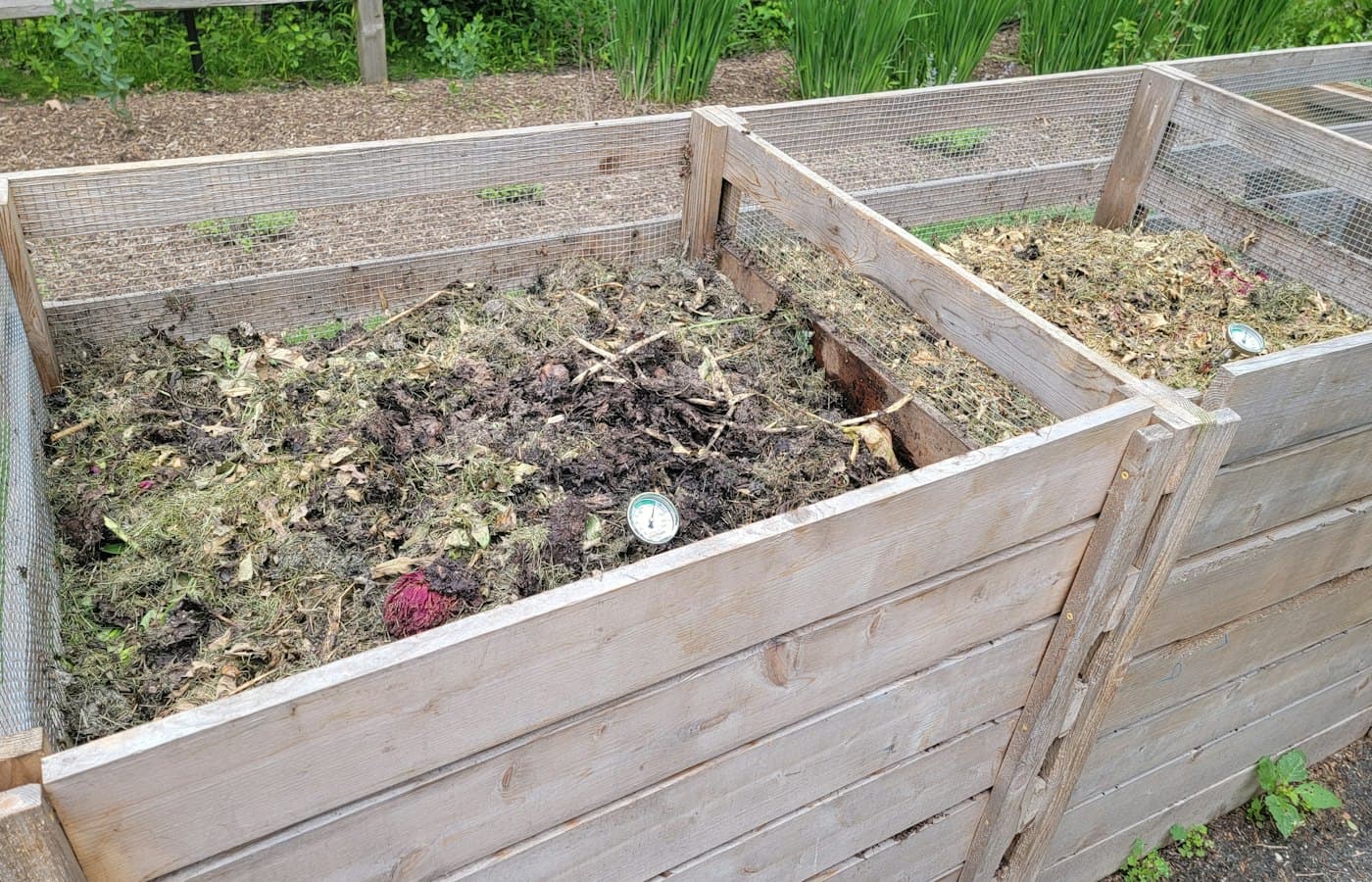 GardenCompost Bins & CompostersNo compost bin is certified organic. What to check instead: the type, the material and pest-proofing.
 GuideHome composting for beginnersBrowns, greens, air and water: how to start a compost pile, what to leave out, and when it is ready to use.
 GuideHow to start an organic gardenSun, soil, seeds and pest control for a first organic vegetable garden, with what the labels on garden products mean.