Garden & Outdoor
Compost Bins and Composters: What Matters
No compost bin is certified organic, and none needs to be. A bin is a container. What decides whether your compost suits an organic garden is what you put in it. Choose a bin by type, material and how well it keeps animals out, then follow the EPA's guidance on greens, browns and what to leave out.
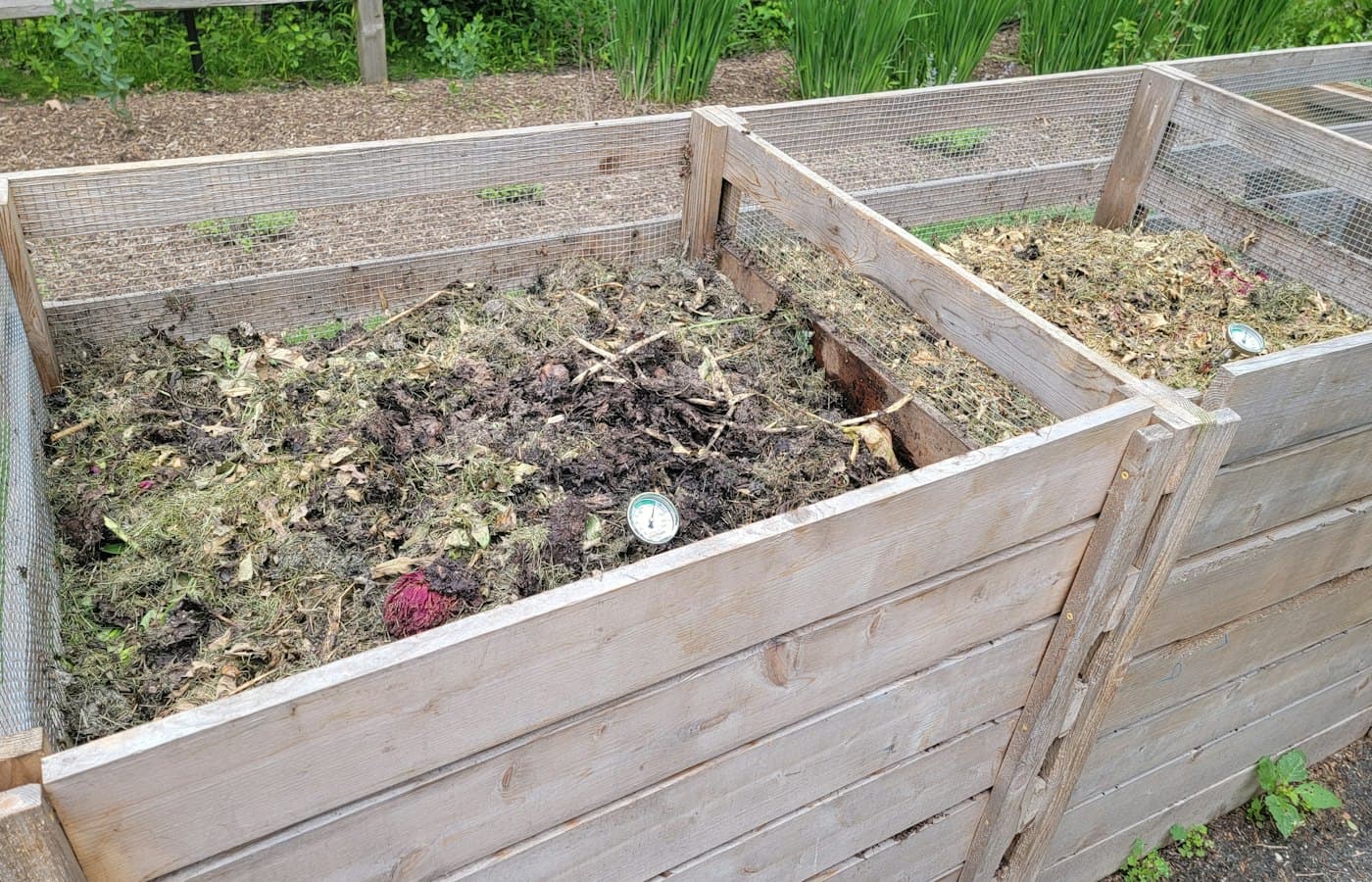
What organic means here
Compost bins are equipment, not farm products or inputs, so no organic certification applies to them and "organic composter" is marketing. This page lists bins for a clearly described design and a material the maker discloses. Every pick carries no organic certification, and its caveat says so. For bagged compost and soil, the mark is OMRI Listed.
Look for
- The type: tumbler, stationary or holding bin, or worm bin
- The material named: which plastic, what the frame is made of, any recycled content
- A lid and small openings. The EPA advises openings no larger than a quarter inch to keep rodents out
- How you get finished compost out: a door, a removable base, a second chamber
Be wary of
- "Organic compost bin" or "certified organic composter". No such certification exists for a bin
- "Food safe" or "non-toxic" plastic with no plastic type or standard named
- Claims of finished compost in a few weeks. The EPA's figure for a well-kept pile is three to five months
- A bin sold with compostable bags as if they belong in it. The EPA says to keep those out of backyard piles
Products that meet the standard
We have not tested these products. Each one was checked against the brand’s own page and the certifier’s records. Product links may be affiliate links: if you buy through one we may earn a commission, at no extra cost to you. How we choose.
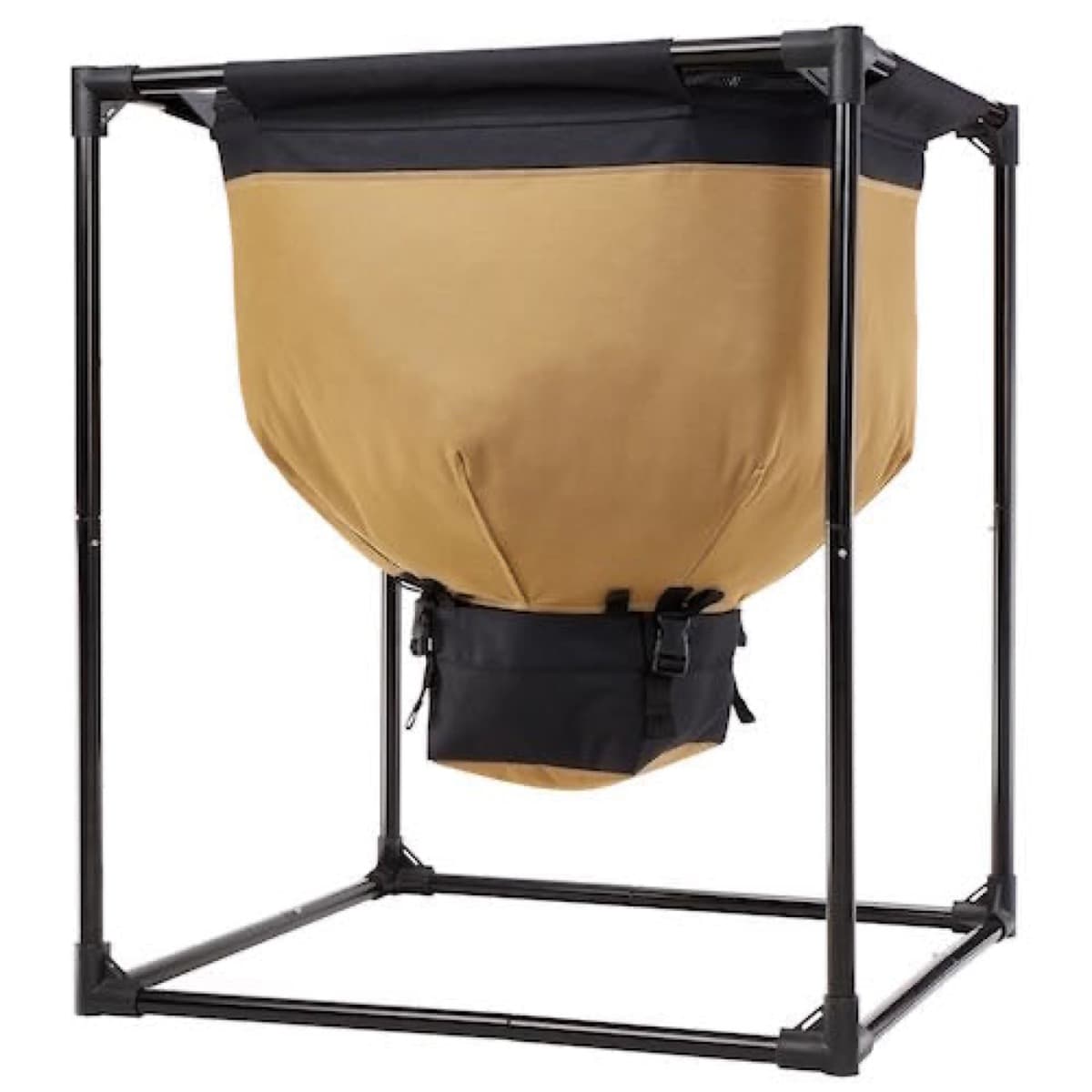
Photo: Urban Worm Company 1Urban Worm CompanyFabric worm bin, harvest from belowUrban Worm Bag Version 2
A fabric worm bin on a tube frame, built as a continuous flow system: you add food waste and bedding at the top and remove finished castings through a removable bottom, without emptying the bin. The maker says it can be used inside or outside a home or apartment.
Good to know: Carries no organic certification: none exists for compost bins. Listed for the continuous flow design. The product page does not name the fabric or the frame material.
Checked against: shop.urbanwormcompany.com
View at brand siteshop.urbanwormcompany.com
- 2EnvirocycleDrum tumbler, no assembly
Composter
A rotating drum composter that sits on a base instead of a frame and arrives ready to use. The base collects liquid that drains from the drum. Envirocycle's specifications list the materials as food grade, BPA free plastic and aluminum, and give the country of origin as the USA.
Good to know: Carries no organic certification: none exists for compost bins. Listed for its described design and disclosed materials. The page names no third-party standard behind the food grade wording.
Checked against: envirocycle.com
View at Envirocycleenvirocycle.com
- 3FCMP OutdoorTwo chambers on a steel frame
HOTFROG Dual Body Tumbling Composter
A tumbling composter with two separate bodies, so one side can finish while you keep adding scraps to the other. The maker describes the plastic as BPA free, UV inhibited recycled polyethylene, and the frame as powder painted galvanized steel.
Good to know: Carries no organic certification: none exists for compost bins. Listed for the two-chamber design and disclosed materials. The page does not say how much of the plastic is recycled.
Checked against: fcmponline.com
View at brand sitefcmponline.com
- 4Nature's FootprintStacking tray worm bin
Worm Factory 360 4 Tray Unit
A worm composting bin built from stacking trays. It ships with four trays and can be expanded to six. The maker describes the trays as US made ABS plastic and includes start-up bedding, an instruction booklet and a small tool kit.
Good to know: Carries no organic certification: none exists for compost bins. Listed for its described design and named plastic. Worms are not included. The maker's "non-toxic" wording names no test standard.
Checked against: naturesfootprint.com
View at brand sitenaturesfootprint.com
Products with a photo are shown first; otherwise the order says nothing about quality. Certifications can lapse: check the certifier’s database before you buy.
Why a compost bin cannot be organic
Organic certification under the USDA rules covers agricultural products: crops, livestock and the foods made from them. A plastic drum or a fabric bag is none of those. There is no certifier, no standard and no seal for it, so the word organic on a composter tells you nothing you can check.
What can be checked is the material and the design. Makers that name the plastic, the frame and any recycled content are giving you something concrete. Vague green wording is not the same thing, and our guide to spotting greenwashing covers how to tell the difference.
The compost itself is a different matter. Bagged compost sold as a product can be reviewed and OMRI Listed, meaning allowed for use in organic production. Compost you make at home has no label. Its quality depends on your ingredients.
Tumbler, bin or worms: the main types
The first four rows follow the University of Florida's extension guide to compost bins. The worm bin figures are the EPA's, which also suggests starting with about one pound of worms and says worm castings are ready in three to six months.
| Type | How it is turned | Worth knowing |
|---|---|---|
| Tumbler or drum | The bin does the turning | Enclosed, which keeps pests out. Manufactured units have mixing baffles |
| Stationary bin | Empty and refill, or use an aerating probe | A second bin makes turning easier |
| Mobile holding bin | Lift the bin off and fork the pile back in | Some have lids or fine mesh against pests |
| Open heap | By fork | Costs nothing, but pests have free access |
| Worm bin | The worms do the work | Worms need about 59 to 77 degrees Fahrenheit |
What goes in decides what comes out
The EPA sorts ingredients into greens, which are nitrogen-rich, and browns, which are carbon-rich. Greens include fruit and vegetable scraps, grass clippings and coffee grounds. Browns include dry leaves, twigs, shredded non-glossy paper and plain cardboard. It advises adding at least two to three times the volume of browns to greens and keeping the pile as moist as a wrung-out sponge.
From bin to bed
A well-maintained backyard pile is ready in about three to five months, the EPA says, and an untended one can take up to a year. Finished compost can be mixed two to four inches deep into the top six to nine inches of soil, or spread as mulch.
Compost adds organic matter. It is not a measured fertilizer. If a soil test shows a specific shortage, see organic fertilizer. For containers, compost is one ingredient among several, as our organic potting soil page explains. The step-by-step method is in the home composting guide.
Questions people ask
Is compost from a plastic bin still organic?
Home compost is not certified either way, so the question is really about what you want in your soil. The bin is a container and does not change what the compost is made of. What matters is the ingredients: the EPA advises leaving out herbicide-treated plants, treated or painted wood, pet waste and glossy paper. If the plastic concerns you, choose a maker that names the plastic type.
Is a tumbler faster than a regular bin?
A tumbler makes turning easy, and turning is part of keeping a pile well maintained. The University of Florida's extension guide notes that with tumblers the bin does the turning and that manufactured units have mixing baffles that speed the process. The EPA's overall figure still applies: about three to five months for a well-maintained pile, and up to a year for one left alone.
Can I compost indoors in an apartment?
Yes, with worms. The EPA describes worm composting as an option that works indoors, suggests starting with about one pound of worms, and says to keep the bin between 59 and 77 degrees Fahrenheit. Cover each addition of food scraps with about two inches of bedding. Worm castings are ready after three to six months. The bin can live under a sink, in a closet or in a basement.
How do I keep rats and other animals out of a compost bin?
Start with what you add. The EPA says meat, fish, cheese, dairy, fats, oils and cooked food can attract animals. Cover food scraps with four to eight inches of dry leaves or other browns. Choose a bin with a lid, and check that any openings are no larger than a quarter inch. Enclosed tumblers and drums keep pests out by design.
Do compostable bags break down in a home compost bin?
Usually not well. The EPA lists compostable bags and compostable foodservice ware among the things to keep out of a backyard pile, because home piles generally do not get hot enough to break them down fully. The EPA says they can be composted at commercial facilities, and to check that yours accepts them. Empty your kitchen scraps into the bin loose, and rinse the caddy instead.
Sources
Each page was opened and read on October 11, 2026.
Keep reading
 GardenOrganic Potting Soil & CompostSoil cannot carry the USDA seal. What OMRI Listed means on a bag, and four mixes on the OMRI list.
 GardenOrganic FertilizerFertilizer cannot carry the USDA seal. What OMRI Listed covers, how to read N-P-K, and four listed picks.
 GardenOrganic Lawn CareLawn products cannot be certified organic. What OMRI Listed means on a bag, and three listed picks.
 GuideHome composting for beginnersBrowns, greens, air and water: how to start a compost pile, what to leave out, and when it is ready to use.