Garden & Outdoor
Organic Pest Control: What the Label Means
Any product sold to kill or repel a pest is a pesticide under federal law, including the ones allowed in organic growing. OMRI Listed on a garden spray means its ingredients are allowed for use in certified organic production. It does not mean harmless. Identify the pest first, try prevention, and follow the label exactly.
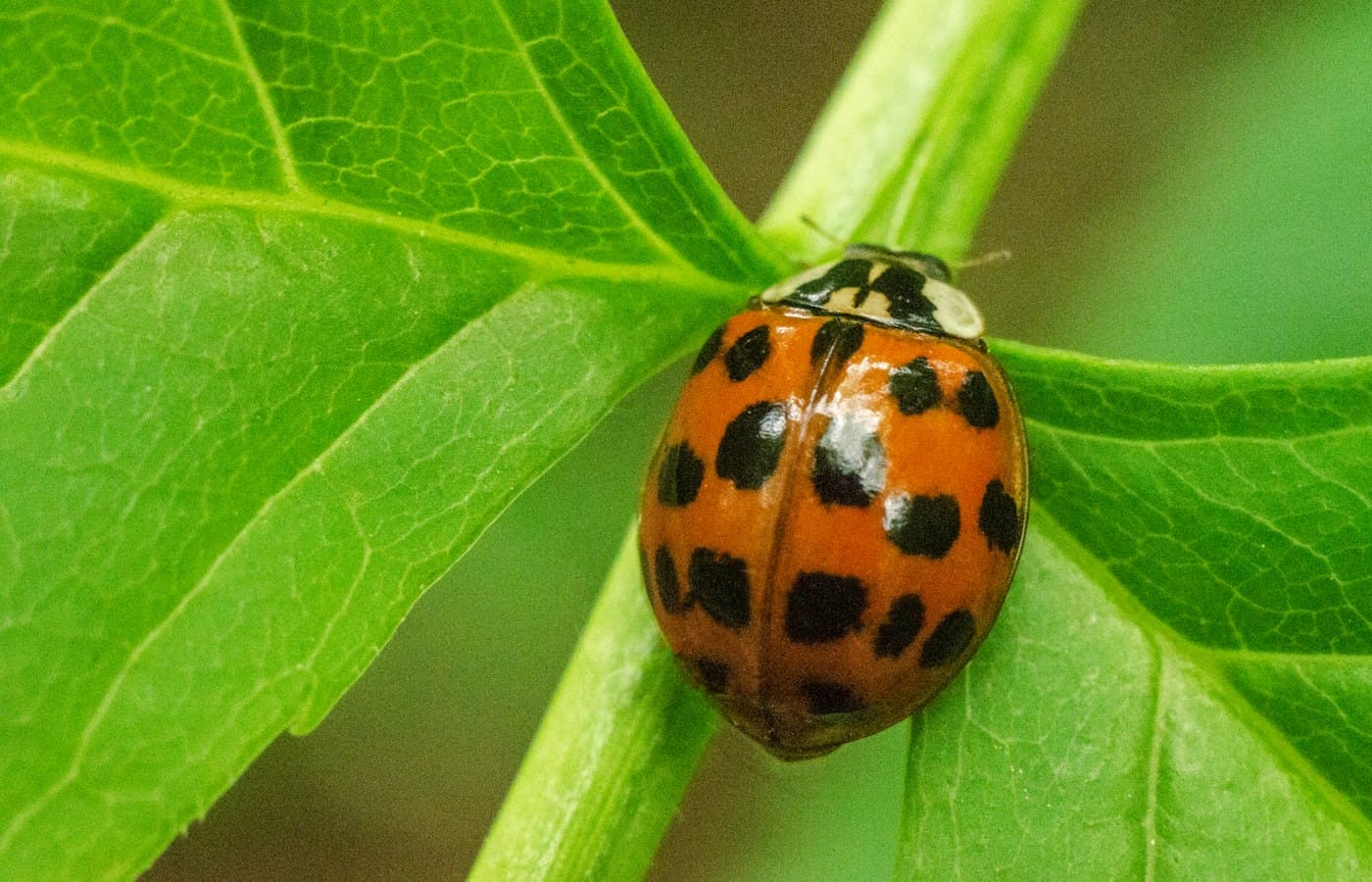
What organic means here
No pesticide carries the USDA Organic seal. This page lists pest control products that appear by name on the OMRI Products List as OMRI Listed, meaning allowed for use in organic production, each with the restriction OMRI attaches. Organic-approved pesticides are still pesticides: read and follow the product label every time.
Look for
- The OMRI Listed seal, and the same product and company on the OMRI Products List
- The active ingredient by name and what it is: a bacterium, a soap, a plant oil, a mineral
- The pests and the plants named on the label. If yours are not there, it is the wrong product
- Directions on timing, rate, repeat sprays and how close to harvest you may apply
Be wary of
- "Natural", "non-toxic" or "safe" used as if a natural pesticide could not harm anything
- "Organic" on a spray with no OMRI seal or other named reviewer
- Homemade dish soap sprays. Dish soaps are not labeled as pesticides and can damage plants
- A product that names no active ingredient
Products that carry the certification
We have not tested these products. Each one was checked against the brand’s own page and the certifier’s records. Product links may be affiliate links: if you buy through one we may earn a commission, at no extra cost to you. How we choose.
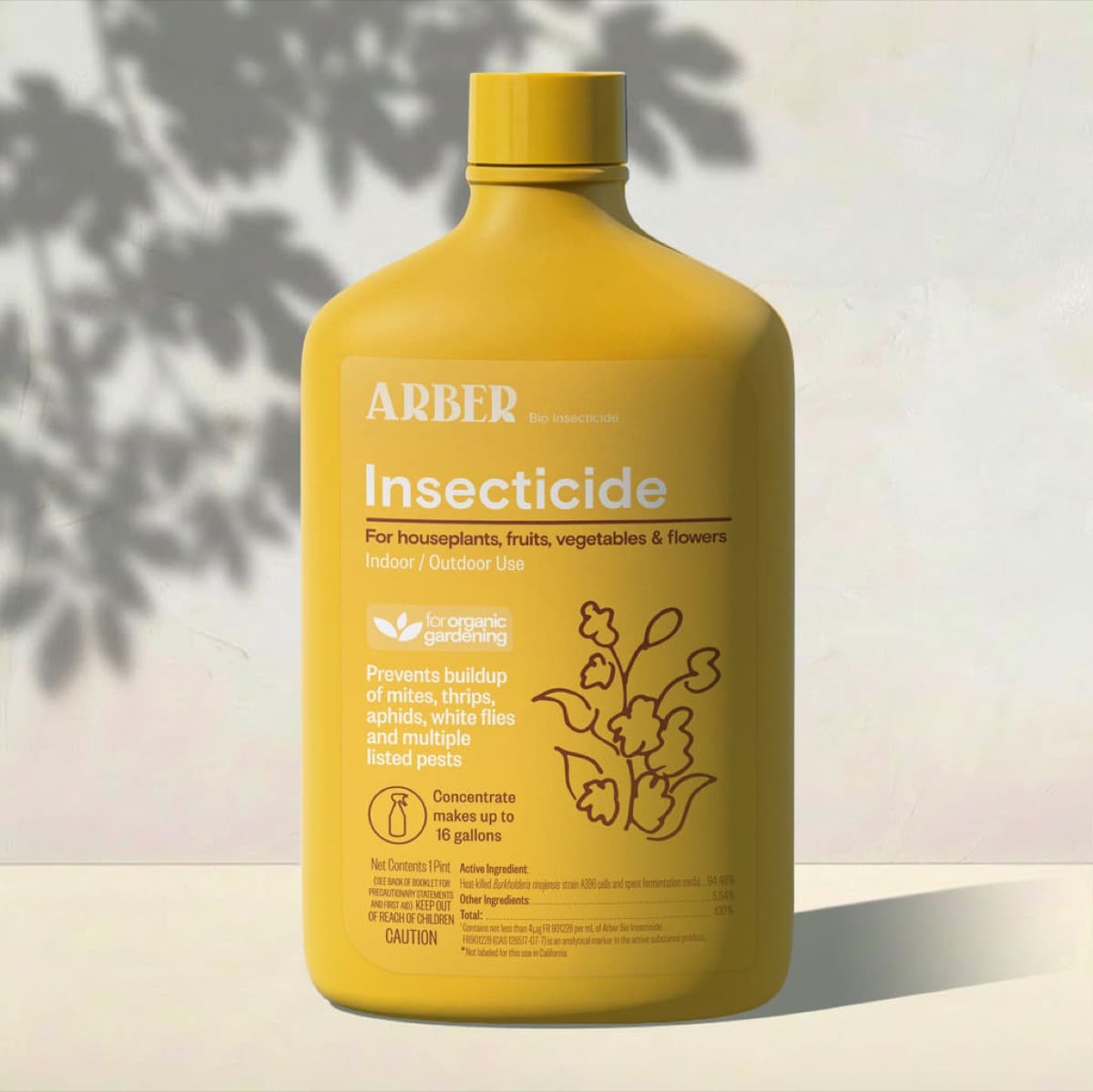
Photo: Arber 1ArberHouseplants and ediblesOrganic Bio Insecticide
A biological insecticide for houseplants, fruits, vegetables and flowers. Arber lists the active ingredient as heat-killed Burkholderia, strain A396, with its spent fermentation media, and names aphids, thrips, mites, whiteflies, fungus gnats and mealybugs among the pests. The OMRI Products List shows it as Allowed with Restrictions.
Good to know: A pesticide: follow the label. The word Organic in the product name is the brand's. The checkable claim is the OMRI listing, which means allowed for use in organic production.
Checked against: growarber.com · omri.org
View at Arbergrowarber.com
- 2MontereyCaterpillars only
Monterey B.t.
A liquid concentrate based on the bacterium Bacillus thuringiensis subspecies kurstaki. Monterey says it controls only caterpillars and worm type insects, which must eat it, on fruits, vegetables, ornamentals and shade trees. The product page says it is OMRI Listed, and the OMRI Products List shows it as Allowed with Restrictions.
Good to know: A pesticide: follow the label. OMRI Listed means allowed for use in organic production, with the restriction that preventive and physical methods come first. It also affects caterpillars you may want, such as butterfly larvae on treated plants.
Checked against: montereylawngarden.com · omri.org
View at Montereymontereylawngarden.com
- 3Safer BrandAphids, mites and whiteflies on contact
Insect Killing Soap Concentrate
An insecticidal soap concentrate whose active ingredient is potassium salts of fatty acids. Safer Brand says it kills soft-bodied insects such as aphids, mealybugs, spider mites and whiteflies on contact and is OMRI Listed. The OMRI Products List shows Safer Brand Insect Killing Soap Concentrate II as Allowed with Restrictions.
Good to know: A pesticide: follow the label. Allowed for use in organic production, not certified organic. Soap sprays can injure some plants, so test a small area first, as University of Connecticut advises.
Checked against: saferbrand.com · omri.org
View at Safer Brandsaferbrand.com
- 4Earth's AllyReady-to-use plant oil spray
Insect Control
A ready-to-use spray whose active ingredients are rosemary, clove and peppermint oils. Earth's Ally names spider mites, whiteflies, aphids, thrips, mealybugs and scale insects as targets and says it is OMRI listed for use in organic gardening. The OMRI Products List shows it as Allowed with Restrictions.
Good to know: A pesticide: follow the label. The maker's own directions say not to apply above 90 degrees and to avoid use when pollinators are active. Allowed for use in organic production, not certified organic.
Checked against: earthsally.com · omri.org
View at brand siteearthsally.com
Products with a photo are shown first; otherwise the order says nothing about quality. Certifications can lapse: check the certifier’s database before you buy.
Organic-approved pesticides are still pesticides
The EPA defines a pesticide as any substance or mixture of substances intended for preventing, destroying, repelling or mitigating any pest. What counts is the intent of the product, judged from its label claims, advertising and composition. A spray made from bacteria, soap or plant oils that claims to kill aphids is a pesticide, exactly as a synthetic one is.
Most pesticides must be registered with the EPA before they can be sold. The EPA exempts certain minimum risk pesticides from registration, with limited exceptions of that kind. Exempt from registration does not mean you can skip the directions.
OMRI Listed answers one narrow question: is this product allowed for use in certified organic production. For every pick on this page, the OMRI listing is Allowed with Restrictions, and the restriction says the product may be used only when preventive, mechanical, physical and other management practices are part of the picture. Organic rules treat spraying as a later step, not a first one.
The label is the law
This applies to OMRI Listed products the same as any other. An organic listing is about ingredients. The directions for safe use are on the product label, and nowhere else.
Start with IPM, not with a product
Integrated pest management, or IPM, is the approach extension services and the EPA recommend. The University of California's IPM program defines it as an ecosystem-based strategy that focuses on long-term prevention of pests or their damage, and says pesticides are used only after monitoring indicates they are needed.
- 1
Set a threshold
The EPA notes that sighting a single pest does not always mean control is needed. Decide how much damage you will accept.
- 2
Identify the pest
Monitoring and accurate identification keep you from using a pesticide when it is not needed, or using the wrong kind.
- 3
Prevent
Crop rotation and pest-resistant varieties come first. UC IPM adds cultural changes such as irrigation practices, and physical tools such as traps, mulches and barriers.
- 4
Control, least risky first
The EPA says less risky controls are chosen first, and broadcast spraying of non-specific pesticides is a last resort.
What the common organic-approved actives do
The Bt details come from the National Pesticide Information Center at Oregon State University, which also reports that Bt is low in toxicity to people when eaten. The soap details come from the University of Connecticut, which adds that hard water can make soap sprays less effective. Choosing the right plants and varieties is covered on our organic seeds page, and lawn pests on organic lawn care.
| Active ingredient | How it works | Limits |
|---|---|---|
| Bt (Bacillus thuringiensis) | Larvae eat it and it damages the gut | Each strain targets specific insect groups. Sunlight breaks it down quickly |
| Insecticidal soap | Kills on direct contact | No lasting residue. Weak on eggs and hard-bodied beetles. Can injure some plants |
| Plant oils | Varies by product | Read the label for temperature and pollinator limits |
Questions people ask
Are organic pesticides safe around kids and pets?
Do not assume so from the word organic. An organic listing means the ingredients are allowed in organic production. It is not a safety rating. Each product's label states its own precautions, and the EPA says following the label is required by law. Keep children and pets away from treated areas for as long as that label says. If you are unsure about a specific exposure, call your doctor, your veterinarian or poison control.
Does OMRI Listed mean a pesticide is EPA approved?
No. They are separate systems. The EPA regulates pesticides: most must be registered before sale, and some minimum risk products are exempt from registration. OMRI reviews whether a product's ingredients are allowed under the organic standards. A product can be EPA registered and not allowed in organic growing, and an OMRI Listed pesticide still has to meet the EPA rules that apply to it.
Can I make my own insecticidal soap from dish soap?
University of Connecticut's fact sheet advises against it. Dishwashing soaps and detergents are not labeled as pesticides and can damage plants by dissolving the waxy cuticle on leaves, and the risk is higher when they are used as sprays. A labeled insecticidal soap is made from potassium salts of fatty acids. Even with those, test a small portion of the plant and wait at least 24 hours.
Will Bt harm bees or butterflies?
The National Pesticide Information Center describes one Bt strain as practically nontoxic to bees in testing, while noting that some studies of formulated products found effects and more research is needed. Butterflies are a different matter. The kurstaki strain used in garden caterpillar products targets the caterpillars of moths and butterflies, so it can affect butterfly larvae feeding on treated plants. Spray only the plants with the pest.
Can I spray right up to harvest?
Only if the label of that product says so. Two of the products on this page state they can be used up until the day of harvest. Do not assume the same of any other product. The label is legally enforceable, so its harvest interval is the rule for your garden. Our guide on how to start an organic garden covers prevention steps that reduce how often you need to spray at all.
Sources
Each page was opened and read on October 11, 2026.
- U.S. Environmental Protection Agency: What is a Pesticide?
- U.S. Environmental Protection Agency: Introduction to Pesticide Labels
- U.S. Environmental Protection Agency: Integrated Pest Management (IPM) Principles
- University of California Statewide IPM Program: What is Integrated Pest Management (IPM)?
- National Pesticide Information Center, Oregon State University: Bacillus thuringiensis (Bt) Fact Sheet
- University of Connecticut Home Garden Education Office: Insecticidal Soaps
- Organic Materials Review Institute: Using OMRI Listed Products
Keep reading
 GardenOrganic Lawn CareLawn products cannot be certified organic. What OMRI Listed means on a bag, and three listed picks.
 GardenOrganic FertilizerFertilizer cannot carry the USDA seal. What OMRI Listed covers, how to read N-P-K, and four listed picks.
 GardenOrganic SeedsSeeds can carry the USDA Organic seal. What it covers, how to read a packet, and three seed houses.
 GuideHow to start an organic gardenSun, soil, seeds and pest control for a first organic vegetable garden, with what the labels on garden products mean.