Baby Formula & Feeding
Baby Bottles & Feeding Gear
No baby bottle, nipple, bowl or spoon can be certified organic, because organic rules apply to farm products. What you can judge is the material that touches milk and food. This page lists bottles and feeding gear made of glass, stainless steel or silicone, and says plainly which parts are still plastic.
Not medical advice. This page describes labels and certifications. It is general information, and it does not replace your pediatrician, doctor or midwife, who know you and your child.
What organic means here
Bottles and feeding gear cannot carry an organic seal. This page accepts products whose brand names the material of the parts that touch milk or food: glass, stainless steel or silicone. Where a product holds a third-party certification such as MADE SAFE, we list it. Every other pick is marked as carrying no certification.
Look for
- The material of every part that touches milk: bottle body, nipple, collar and cap
- Glass, stainless steel or silicone named outright, not just "BPA-free"
- A third-party certification you can look up, such as MADE SAFE's public product index
- Cleaning directions: dishwasher rack, sterilizer use and any heat limits
Be wary of
- Any bottle or spoon described as "organic"
- "BPA-free" presented as a special feature on a baby bottle
- "Plastic-free" claims on bottles that ship with a plastic collar or cap
- Older hand-me-down clear plastic bottles marked with recycling number 7 and "PC"
Products that carry the certification
We have not tested these products. Each one was checked against the brand’s own page and the certifier’s records. Product links may be affiliate links: if you buy through one we may earn a commission, at no extra cost to you. How we choose.
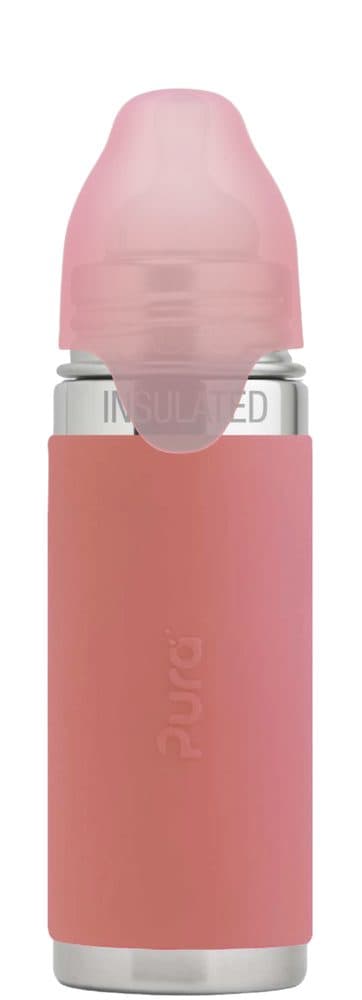
Photo: Pura 1PuraStainless steel body and collarKiki 7oz Insulated Baby Bottle
The brand says the bottle and collar are #304 stainless steel and the nipple is platinum silicone, with no plastic parts. MADE SAFE's public index lists the Pura Kiki Infant Bottle as certified in all currently available colors, varieties and sizes. Top-rack dishwasher safe.
Good to know: Not organic; no bottle can be. MADE SAFE screens ingredients and materials, which is a different thing from organic certification.
Checked against: purastainless.com · index.madeworks.com
View at Purapurastainless.com
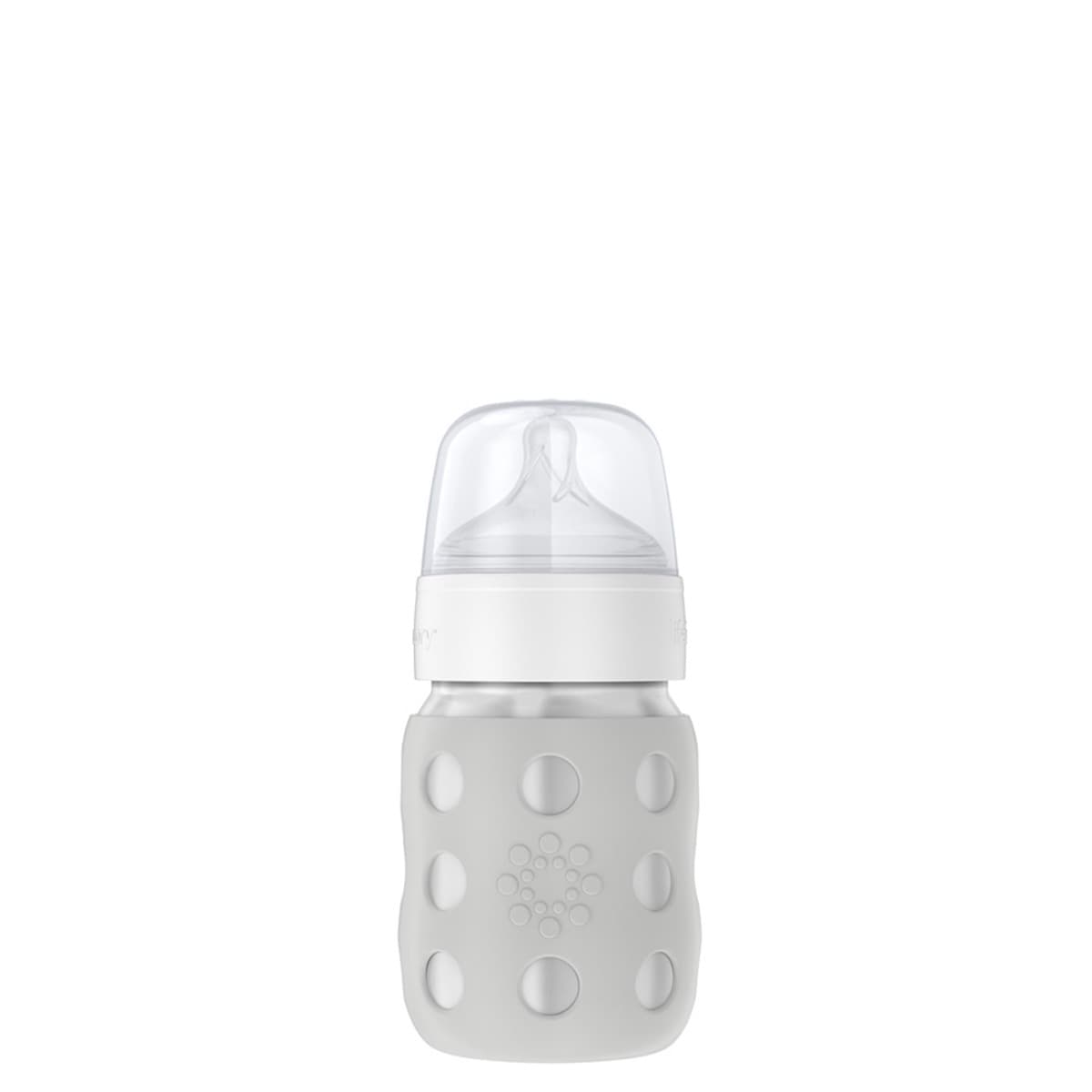
Photo: Lifefactory 2LifefactoryInsulated steel with silicone sleeve8oz Stainless Steel Baby Bottle
A vacuum-insulated stainless steel bottle with a wide neck, a protective silicone sleeve and a Stage 2 silicone nipple. The brand lists it as BPA-free and dishwasher and sterilization safe, and says not to store milk in it for longer than 1 hour.
Good to know: Carries no organic or third-party certification; listed for its stainless steel body. The cap, ring and stopper are polypropylene, and the brand says it is not for hot liquids.
Checked against: lifefactory.com
View at Lifefactorylifefactory.com
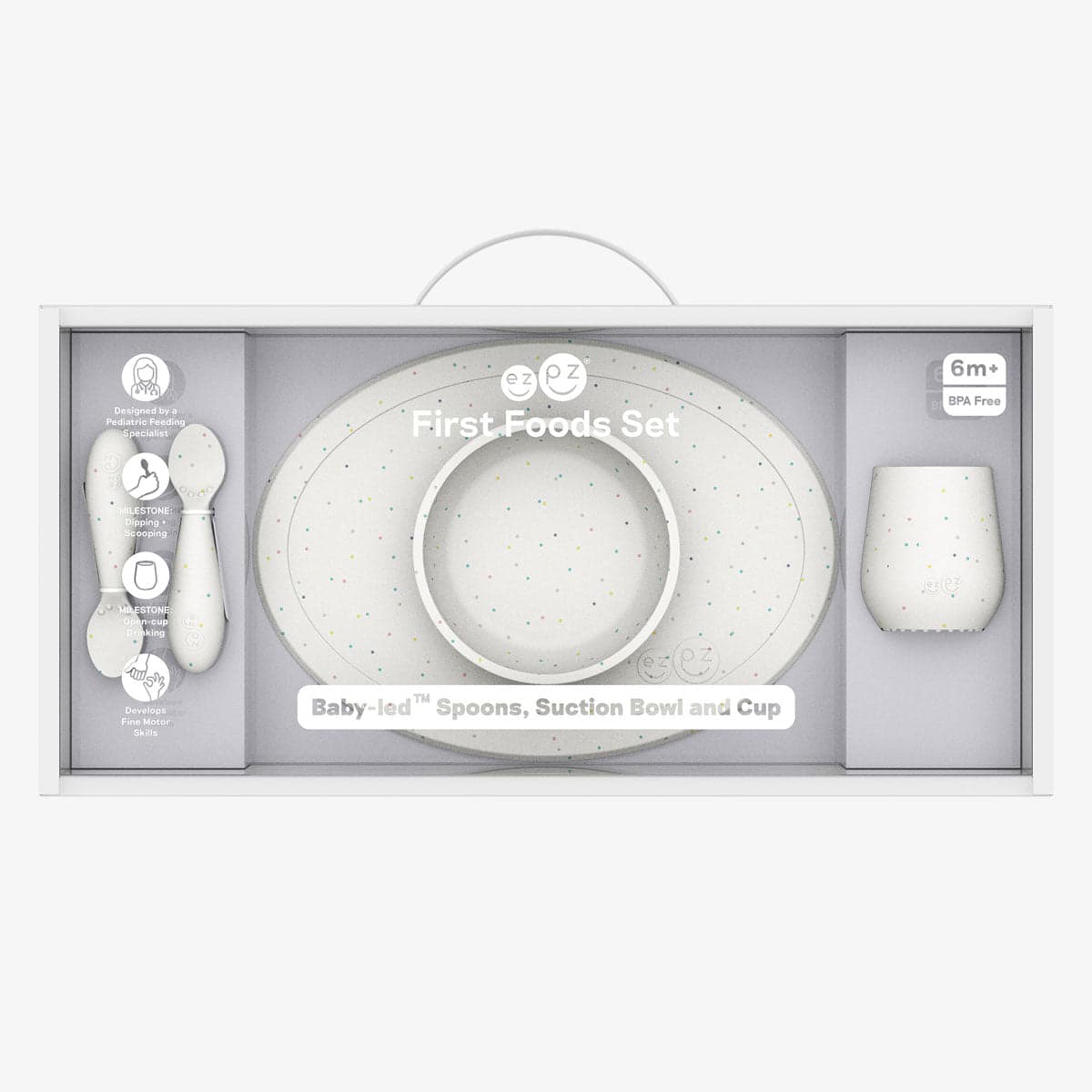
Photo: ezpz 3ezpzSilicone bowl, cup and spoonsFirst Foods Set
A starter set of a suction bowl, a small cup and two spoons. The brand describes it as food grade silicone, third-party quality tested to be free of BPA, BPS, PVC and phthalates, and safe for the dishwasher, microwave and oven up to 350 degrees Fahrenheit.
Good to know: Carries no organic certification and names no outside certifier for its testing; listed because every piece is silicone. It is feeding gear for solids, not a bottle.
Checked against: ezpzfun.com
View at ezpzezpzfun.com
- 4EvenfloGlass bottle, standard neck
Classic Baby Bottles GLASS 8oz
A glass bottle with ounce and milliliter markings and a silicone slow flow nipple with a one-piece vent. The brand says the nipples are free of BPA, polycarbonates, PVC and phthalates, and that the bottles are top-rack dishwasher safe and fit standard neck breast pumps.
Good to know: Carries no organic or third-party certification; listed for its glass body. The product page does not name the collar material. Glass can break if dropped.
Checked against: evenflofeeding.com
View at Evenfloevenflofeeding.com
Products with a photo are shown first; otherwise the order says nothing about quality. Certifications can lapse: check the certifier’s database before you buy.
Why a bottle cannot be organic
USDA organic rules are written for agricultural products: crops, livestock and the foods made from them. Glass, steel and silicone are not grown, so there is nothing for a certifier to inspect. If you see a bottle sold as organic, the word is decoration. Our guide to how to spot greenwashing covers that pattern.
What stands in for organic here is disclosure. A maker that names the material of the body, the nipple, the collar and the cap has given you something you can check. A few products go further and hold a certification such as MADE SAFE, which lists certified products in a public index.
What BPA-free does and does not tell you
The FDA amended its food additive regulations so that BPA-based polycarbonate resins are no longer provided for in baby bottles and sippy cups. Manufacturers had already abandoned those uses. So "BPA-free" on a new baby bottle describes the whole market, not one product.
The American Academy of Pediatrics still suggests caution with older bottles: avoid clear plastic bottles or containers marked with recycling number 7 and the letters "PC", which may contain BPA. It also notes that phthalates are used in soft, flexible plastics, and that BPA and phthalates can leach after repeated use, heating and cleaning.
Glass, stainless steel and silicone compared
Each material trades one inconvenience for another. The AAP says glass bottles can be an alternative to plastic, but to be aware of the risk of injury if a bottle is dropped or broken.
| Material | What you get | What to check |
|---|---|---|
| Glass | You can see the milk and the fill line | Risk of injury if dropped or broken, per the AAP |
| Stainless steel | Will not shatter | Opaque from the outside; cap and collar material |
| Silicone | Soft and flexible; the nipple material on the bottles listed here | The maker's heat limits and cleaning directions |
Heat, cleaning and what goes in the bottle
Heat is when plastic matters most. The AAP advises against heating polycarbonate bottles or other plastic food containers in the microwave, and against washing polycarbonate bottles in the dishwasher. With glass, steel and silicone, follow the maker's own cleaning directions.
The bottle is the smaller decision. The AAP recommends breastfeeding where possible, and says the risks of homemade or other inappropriate formulas are far greater than the potential effects of BPA. If your baby is on a specialized formula, do not switch because of packaging. Talk with your pediatrician about what to feed, then see our page on organic infant formula.
Questions people ask
Are there organic baby bottles?
No. Organic certification applies to agricultural products, and a bottle is made of glass, metal, silicone or plastic. A bottle labeled organic is using the word loosely. Judge a bottle on the materials the maker names for each part, and on any third-party certification you can confirm in the certifier's own public listing.
Is glass safer than plastic for baby bottles?
The AAP offers glass as an alternative for parents who want to reduce exposure to BPA and phthalates from plastic, with a warning about injury if a glass bottle is dropped or broken. New plastic baby bottles should already be BPA-free. Which trade-off suits your household is your call, and your pediatrician can help.
Do I need to worry about BPA in a new baby bottle?
Much less than in an old one. The FDA's regulations no longer provide for BPA-based polycarbonate in baby bottles and sippy cups. The AAP's caution is aimed at older clear plastic bottles marked with recycling number 7 and "PC". If you were handed down bottles like that, the AAP suggests avoiding them.
What does MADE SAFE mean on a baby bottle?
MADE SAFE is a private certification program focused on human health and ecosystem safety of product ingredients and materials. It keeps a public index of certified products, so you can look a bottle up by brand. It is not an organic certification and it is not a government approval. One bottle on this page appears in that index.
Can I microwave or dishwash baby bottles?
Follow the maker's directions for the bottle you own. For plastic, the AAP advises against microwaving polycarbonate bottles or other plastic food containers and against putting polycarbonate bottles in the dishwasher, because heat may release BPA and phthalates. The glass and steel picks on this page are described by their makers as dishwasher safe on the top rack.
Sources
Each page was opened and read on October 11, 2026.
Keep reading
 Formula & FeedingOrganic Infant FormulaUSDA Organic infant formulas that also appear on the FDA's list of formulas marketed in the US.
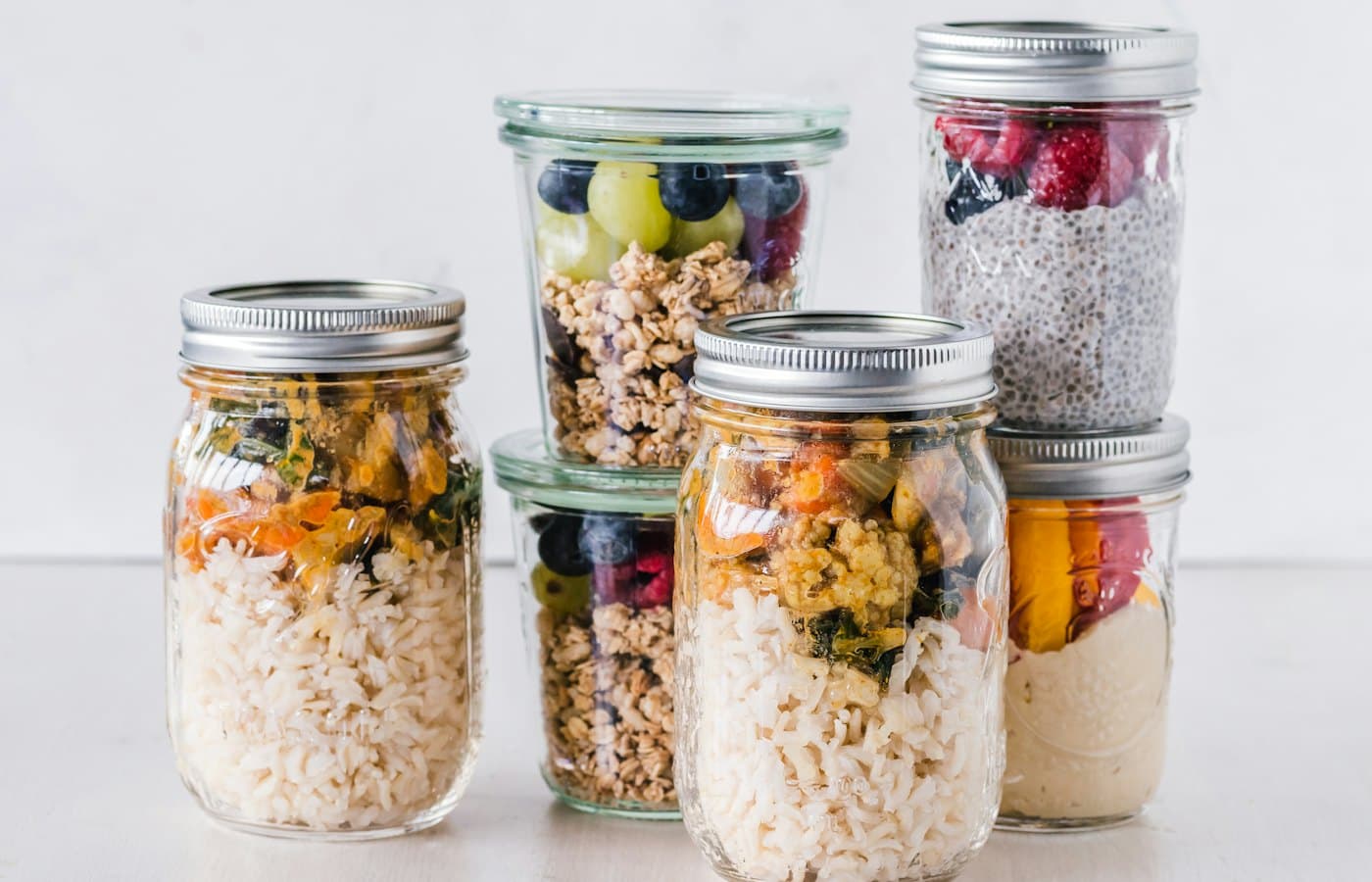 Home & KitchenPlastic-Free Food StorageGlass jars, stainless steel boxes and beeswax wraps, listed by material, with what the FDA and NIH say about BPA.
 Toys & PlayNatural TeethersRubber, wood and cotton teethers: what the material claims mean, and the FDA warning on teething jewelry.
 GuideStarting solids with organic foodsWhen to start solids, how to introduce allergens and what to avoid, per the AAP and CDC, plus where organic fits in.