Home & Kitchen
Plastic-Free Food Storage
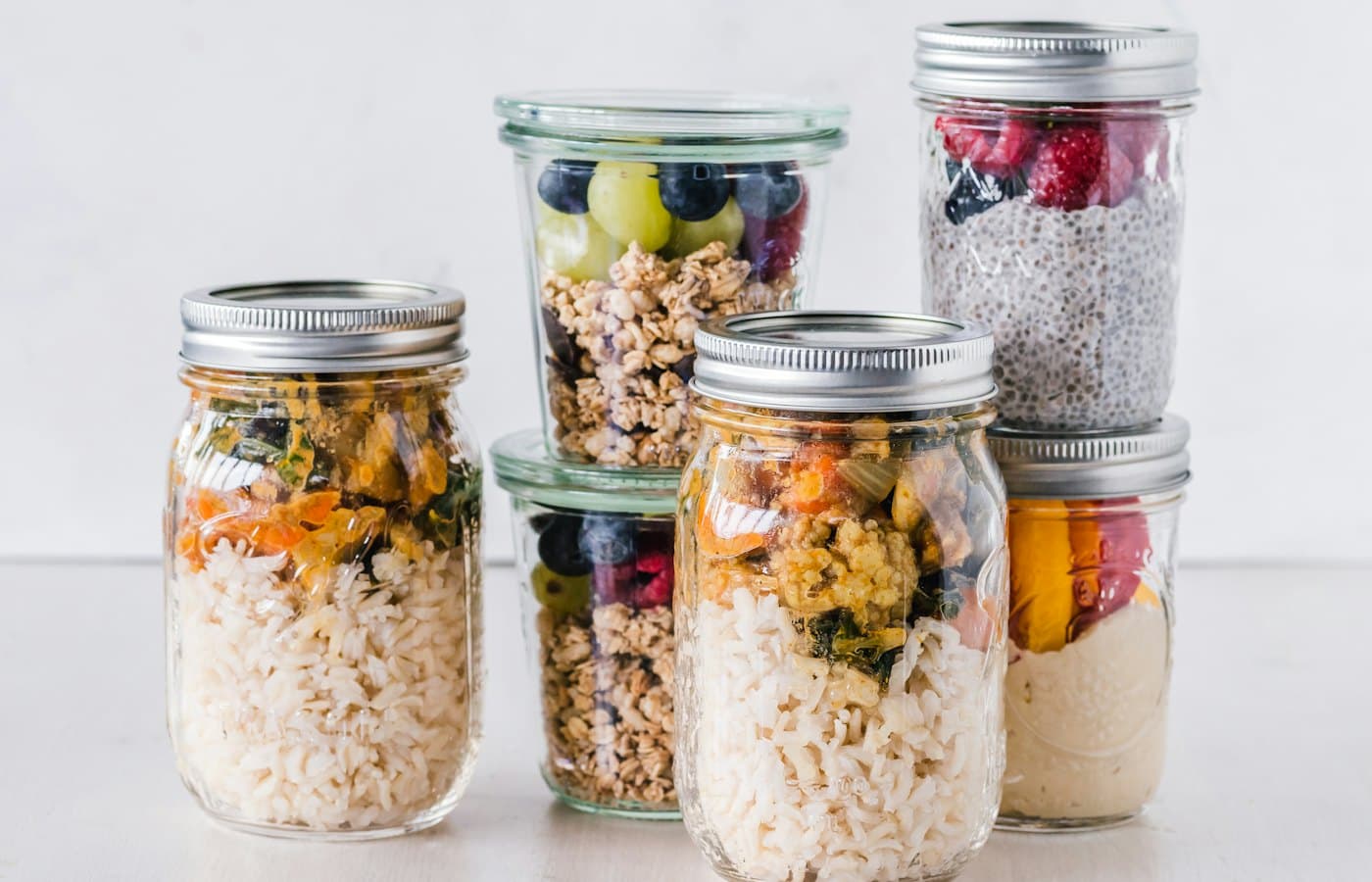
Food containers cannot be certified organic, so this page sorts them by material: glass, stainless steel, and cotton coated in beeswax. "Plastic-free" is not a regulated term. Check every part, including lids, gaskets and seals, because a steel box with a silicone lid or a glass jar with a rubber ring is common and worth knowing about.
What organic means here
No organic seal applies to a jar or a lunch box, and most picks here carry none. We list storage by the material the maker states for each part on its own page. Where one component is certified, such as GOTS cotton in a beeswax wrap, the entry says the certification covers that component only.
Look for
- The body material named: glass, or a stated grade of stainless steel
- Lid, gasket and seal materials named separately from the body
- Use limits in writing: microwave, oven, freezer, dishwasher
- For wraps, the full ingredient list and a named certifier for any organic cotton
Be wary of
- "Plastic-free" on the box when the lid or gasket is not described
- "BPA-free" on a plastic container, which says nothing about what replaced it
- "Organic" on a container: it can only refer to a component such as cotton
- "Leak-proof" with no mention of what makes the seal
Products that carry the certification
We have not tested these products. Each one was checked against the brand’s own page and the certifier’s records. Product links may be affiliate links: if you buy through one we may earn a commission, at no extra cost to you. How we choose.
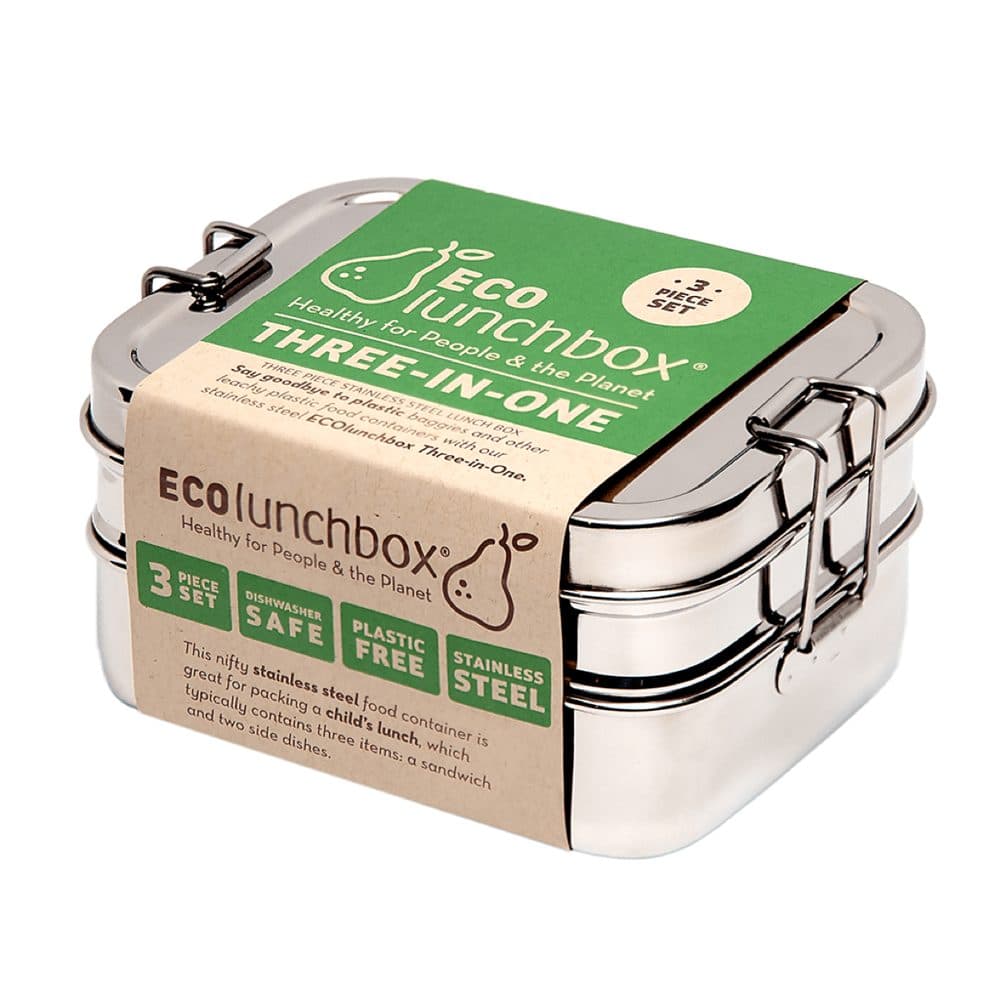
Photo: ECOlunchbox 1ECOlunchboxAll stainless steel, no gasketThree-in-One Classic
A three-piece nesting lunch box that the maker describes as 100% food-grade stainless steel, with two stacked containers, a snack container and adjustable clips. The product page says it contains no plastic and is dishwasher safe.
Good to know: Carries no organic certification. Listed for its material. The maker says it is not leak-proof because it uses no gaskets, and it is not for the microwave.
Checked against: ecolunchboxes.com
View at ECOlunchboxecolunchboxes.com
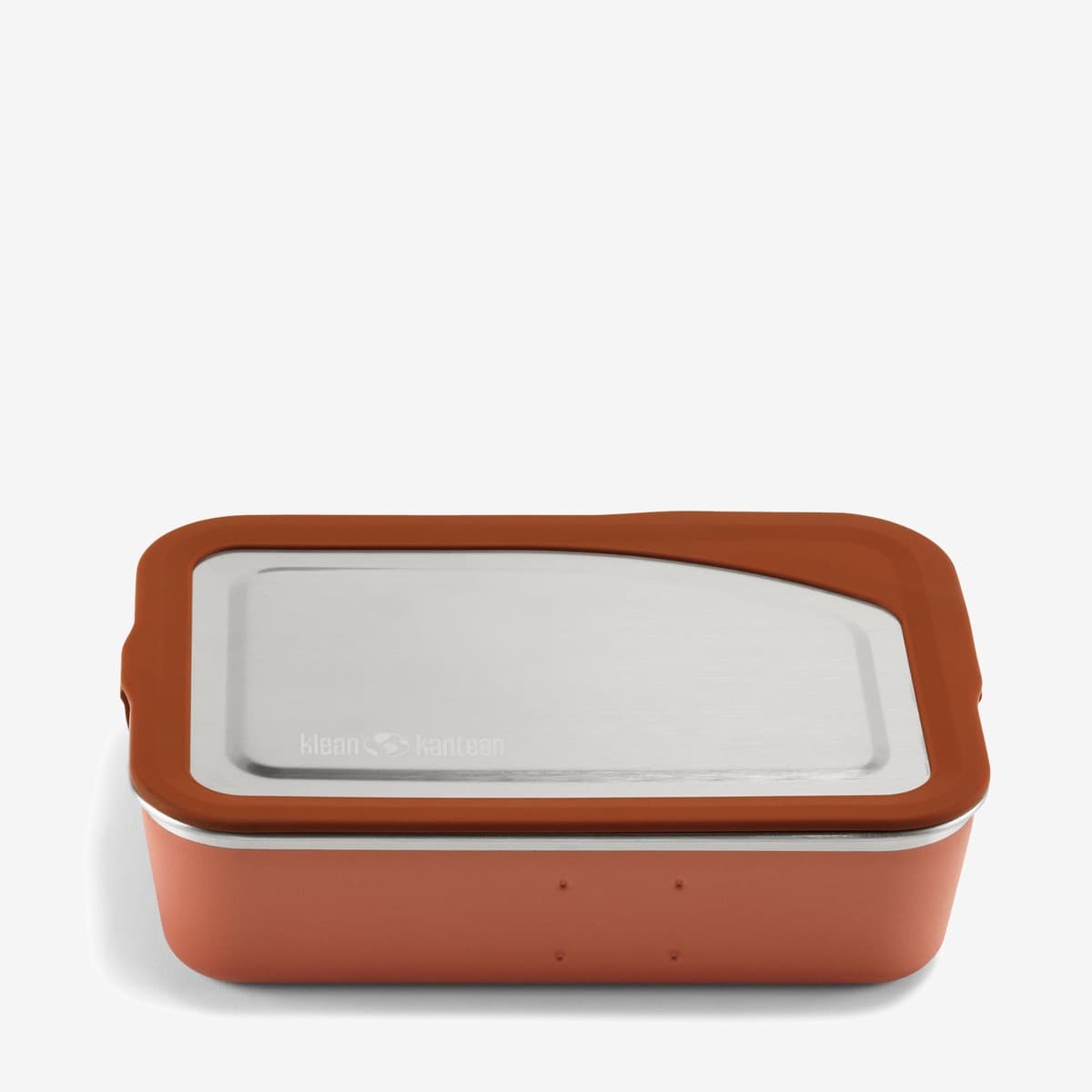
Photo: Klean Kanteen 2Klean KanteenLeakproof steel, oven-safe base34oz Rise Food Box - Meal
- Certified B Corporation
A leakproof food box that the product page says is made from certified 90% post-consumer recycled 18/8 stainless steel. Klean Kanteen states the base is freezer, dishwasher, microwave and oven safe within stated limits, and describes itself as a Certified B Corp.
Good to know: B Corp is a company-level certification, not a product or organic one. The page lists food-grade silicone among the features, so this box is not metal only. Lids and dividers must not go in the microwave.
Checked against: kleankanteen.com
View at brand sitekleankanteen.com
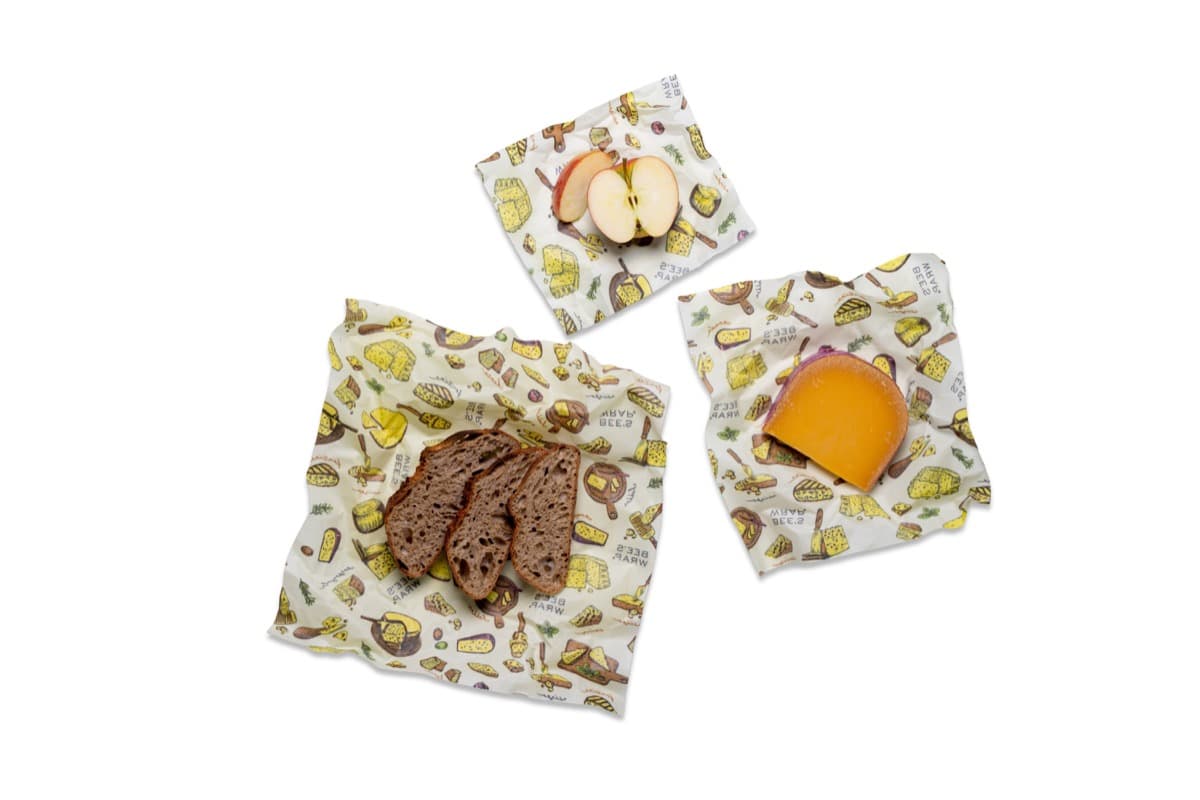
Photo: Bee's Wrap 3Bee's WrapReusable wrap in three sizesAssorted 3 Pack
Three reusable food wraps in small, medium and large. The product page says Bee's Wrap is made of GOTS-certified organic cotton, responsibly sourced beeswax, organic plant oil and tree resin, and that the wraps can be washed and reused.
Good to know: GOTS is stated for the cotton only. The finished wrap is not certified organic. Contains beeswax and tree resin. The brand's plant-based version contains coconut and soy.
Checked against: beeswrap.com
View at Bee's Wrapbeeswrap.com
- 4WECKGlass jar with a glass lid
Mold Jars
Straight-sided glass jars sold with glass lids, rubber rings and metal clamps, so the lid is glass too. The maker's FAQ says the jars and glass lids are dishwasher and microwave safe and that the rings are made of natural rubber.
Good to know: Carries no organic certification: containers cannot. Listed for its material. The ring is natural rubber, worth knowing if anyone has a latex allergy. Rings and clamps stay out of the microwave and dishwasher.
Checked against: weckjars.com · weckjars.com
View at WECKweckjars.com
Products with a photo are shown first; otherwise the order says nothing about quality. Certifications can lapse: check the certifier’s database before you buy.
Why a container cannot be organic
Organic certification covers things that are grown. Glass and steel are not, so there is nothing for a certifier to certify, and "organic" on a jar or lunch box is misplaced. The one exception is a component. A beeswax wrap is built on cotton cloth, and cotton can be certified to GOTS, which requires certification of every processing stage from organic fiber to finished textile.
That is why this page, like the rest of Home & Kitchen, lists storage by material and by what the maker puts in writing. "Plastic-free" has no legal definition either. Treat it as a claim to check part by part.
BPA: what the FDA and NIH say
Bisphenol A, or BPA, is used mainly to make polycarbonate plastics and the epoxy resins that line some metal food cans. The National Institute of Environmental Health Sciences says diet is the main source of exposure for most people, because BPA can leach into food from can linings and from polycarbonate tableware, food storage containers and bottles.
The FDA's position is that BPA is safe at the current levels occurring in foods. The agency stopped authorizing BPA in baby bottles and sippy cups in July 2012 and in infant formula packaging in July 2013, and it says those changes were made because manufacturers had abandoned the uses, not because of a safety finding.
So choosing glass or steel is a personal preference, not an FDA instruction. NIEHS describes it the same way: a personal choice some parents and caregivers make, especially for hot food and liquids.
Glass, steel and wraps compared
These notes come from the makers' own pages for the picks above. They describe materials and stated limits, not test results.
| Material | Maker's stated limits | The part to check |
|---|---|---|
| Glass jar | Jar and glass lid: dishwasher and microwave | Rubber ring and metal clamps |
| Stainless steel, no gasket | Dishwasher safe, no microwave | Not leak-proof |
| Stainless steel with seal | Base only in microwave or oven | Lid and seal material |
| Beeswax wrap | Wash and reuse | Wax, oil and resin ingredients |
Grease-proof paper and PFAS
Paper is not automatically the cleaner choice. For years, some paper food wrappers and take-out packaging were treated with grease-proofing agents containing PFAS. The FDA says that, of the food contact uses it has authorized, only these paper and paperboard agents would result in dietary exposure that may raise a potential safety concern.
In February 2024 the FDA announced that grease-proofing substances containing PFAS are no longer being sold for food contact use in the United States, after a voluntary market phase-out. That covers new packaging. For food you wrap at home, reusable options sidestep the question. The same family of chemicals comes up with pans, which we cover under non-toxic cookware.
Questions people ask
Is food storage ever certified organic?
Not the container. Glass, steel and silicone are not agricultural products, so no organic certification applies. A component can be certified: the cotton in a beeswax wrap can be GOTS certified organic cotton, for example. In that case the certification covers the cotton, and the finished wrap, with its wax, oil and resin, is not a certified organic product.
Does the FDA say BPA in food containers is unsafe?
No. The FDA states that BPA is safe at the current levels occurring in foods. It no longer authorizes BPA-based materials in baby bottles, sippy cups and infant formula packaging, and says those decisions were based on manufacturers abandoning the uses, not on safety. People who prefer to reduce exposure anyway can follow the steps NIEHS lists.
What does BPA-free mean on a container?
It means the maker says bisphenol A was not used. It does not tell you what the container is made of instead. If your goal is to avoid plastic touching food, look for the material itself, such as glass or stainless steel, named for the body and for the lid, not for the absence of one chemical.
Are stainless steel containers microwave safe?
Follow the maker's instructions for the exact product. Among the picks on this page, one maker says its steel lunch box is not for use in the microwave, and another says only the base of its food box may go in, with the lid and dividers removed. If the product page does not say a steel container is microwave safe, assume it is not.
Is silicone plastic-free?
That depends on who is using the phrase, because "plastic-free" is not a regulated term. Silicone is a manufactured material, different from glass and steel, and makers usually describe it as food-grade silicone. Many steel containers use it for lids and seals. If you want metal or glass only, check the lid and gasket before you buy.
Sources
Each page was opened and read on October 11, 2026.
Keep reading
 Home & KitchenNon-Toxic CookwareCast iron, carbon steel, stainless steel and enameled iron, plus what the FDA and EPA say about nonstick coatings.
 Formula & FeedingBaby Bottles & Feeding GearGlass, stainless steel and silicone bottles and first spoons. None can be organic, so we judge the material.
 Home & KitchenOrganic Kitchen Towels & LinensKitchen towels and cloths checked for GOTS or OEKO-TEX Standard 100 on the brand's own product page.