Pregnancy, baby & kids
European vs American organic infant formula: the rules, the import status and what the FDA says
U.S. and European infant formulas are made to two different rulebooks, and neither rulebook ranks above the other. What matters for a U.S. family is whether a formula has gone through FDA notification and is sold through regular U.S. channels. Several brands from abroad now have, and FDA publishes the list. Choose with your pediatrician.
Not medical advice. This page describes labels and certifications. It is general information, and it does not replace your pediatrician, doctor or midwife, who know you and your child.
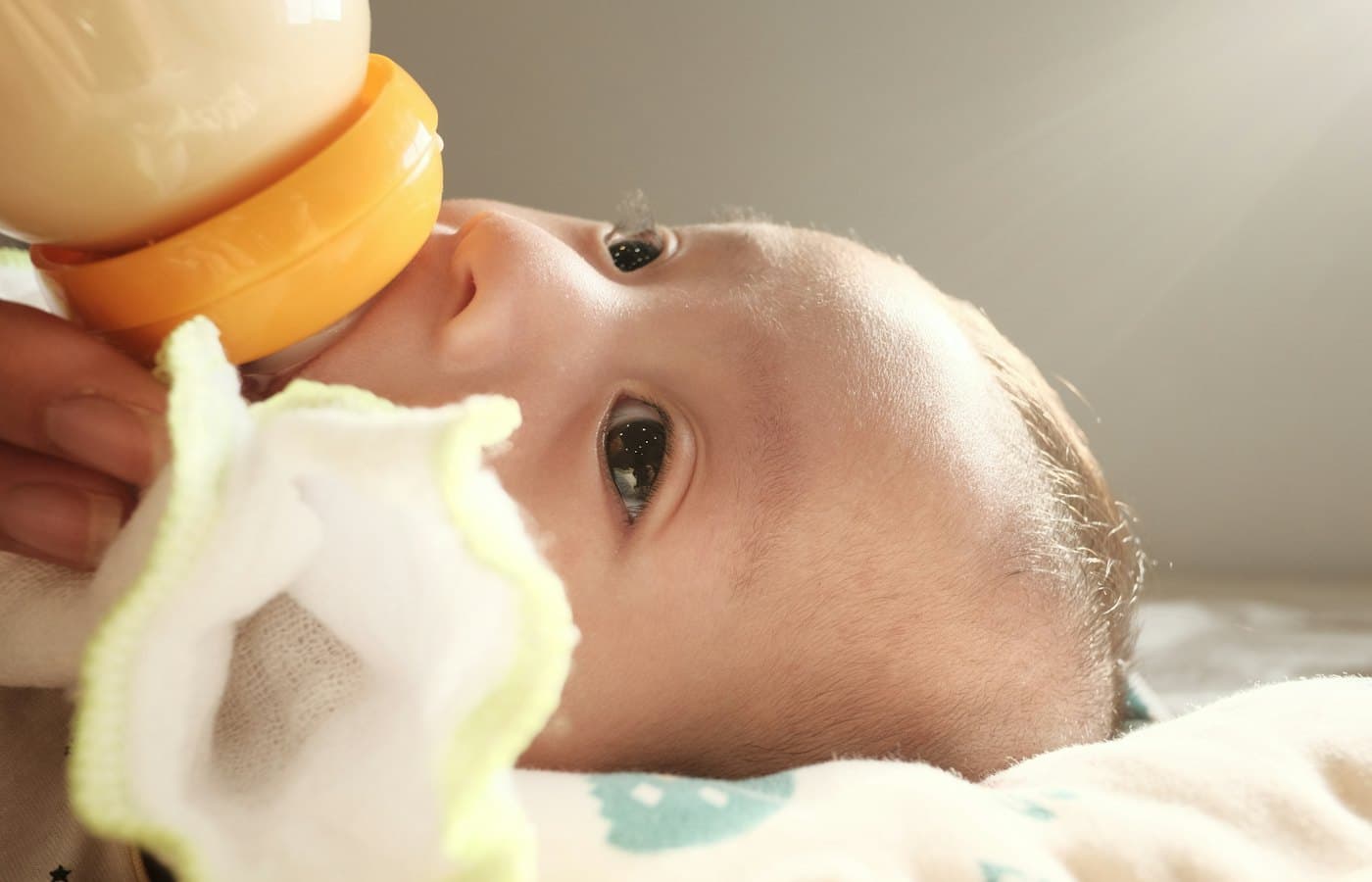
Is European formula legal to buy in the United States?
It depends on the product and the seller, not on the continent. FDA says all infant formula sold in the U.S., whether made here or abroad, must meet all U.S. requirements, including those for safety and nutritional adequacy. Manufacturers must register and notify FDA of an infant formula at least 90 days before marketing it.
A formula made in Europe that has gone through that process is a U.S. formula in the eyes of the regulator. The same brand name on a tin made for sale in Germany or the Netherlands is a different product with a different label, and it has not been through FDA notification.
Before any of that: the American Academy of Pediatrics (AAP) recommends breastfeeding where possible, with only breast milk for about the first 6 months. If you use formula, fully or partly, which one to use is a decision to make with your pediatrician. This page explains the rules. It does not tell you which formula to feed.
How do U.S. and EU infant formula rules differ?
Both systems set minimum and maximum nutrient levels and both regulate labels. They differ in a few specific numbers and in how products are staged by age. These are differences in rulebooks, not a ranking.
| Rule | United States | European Union |
|---|---|---|
| Where the rule lives | FDA regulations, 21 CFR parts 106 and 107 | Commission Delegated Regulation (EU) 2016/127, applied from 22 February 2020 |
| Before sale | Manufacturer notifies FDA at least 90 days ahead | Operators notify national authorities when placing a formula on the market |
| Iron per 100 kcal | 0.15 to 3.0 mg. Under 1 mg, the label must say additional iron may be necessary | 0.3 to 1.3 mg for milk-based infant formula (as adopted) |
| DHA per 100 kcal | Not in the required nutrient table | Required: 20 to 50 mg (as adopted) |
| Age staging | One category: infant formula, for babies up to 12 months | Infant formula, plus follow-on formula once solid foods begin |
What the iron and staging differences mean in practice
Iron is the difference parents ask about most. Writing about imported formulas that are properly on the U.S. market, the AAP notes that their iron content is usually lower because European and Australian rules differ. It adds that these formulas still contain plenty of iron and that no iron supplement is needed unless your pediatrician advises one.
Staging is the other common point of confusion. The AAP explains that Stage 1 formulas are intended for the first 6 months but can generally be used through the first year, and Stage 2 formulas are meant for babies 6 through 12 months. Products labeled for toddlers are a different thing: the AAP says toddler formula should not be used for babies under 12 months.
The European Commission also states that the EU rules forbid nutrition and health claims on infant formula and require that infant formula contain no more than 0.01 milligrams of pesticide residues per kilogram.
Which imported formulas are on the FDA list?
During the 2022 shortage, FDA issued guidance on May 16, 2022 saying it would use enforcement discretion, case by case, to let in formulas that were safe and nutritionally adequate but did not meet every U.S. requirement, such as label format. That guidance was in effect until November 14, 2022. A September 2022 transition plan extended the period to January 6, 2023, with further extensions for firms working toward full compliance.
FDA's page on that program, current as of November 25, 2025, shows that each manufacturer in the transition plan sent FDA a new infant formula submission by the expected date of July 15, 2025. The products named there include Kendamil Organic, Kendamil Classic and Kendamil Goat, Aptamil Care Stage 1 and Stage 2, and three Bubs formulas.
Those products now appear on FDA's list of infant formulas marketed in the U.S., which was current as of September 1, 2026 when we read it. The list is the thing to check. FDA says it is not an endorsement and may not always be up to date.
Being listed is also not a safety rating. The same FDA page notes that on June 13, 2026, Nara Organics agreed to recall all of its Whole Milk Organic Powdered Infant Formula, which FDA says was manufactured in Europe, during an infant botulism investigation. Recalls happen to listed products too, which is one reason to buy where recall notices will reach you.
What risks does the FDA name for formula from third-party importers?
FDA's wording is direct: caregivers should use caution when ordering imported infant formula online or from third-party distributors. The AAP goes further and says not to use imported formulas that are not registered with FDA and not to try to import formula yourself.
- The product may not meet U.S. requirements for safety or nutritional adequacy (FDA).
- Important information about product issues or recalls may not reach you (FDA).
- The formula may not have been kept at the right temperature or handled safely in shipping (AAP).
- Labels may lack the mandatory statements in English. A recall posted by FDA on August 8, 2021 covered European formulas sold by an online importer for this reason, for missing premarket notifications, and because eight of the products had under 1 mg of iron per 100 calories without the required label statement.
- Mixing directions may use milliliters and a different scoop-to-water ratio. The AAP warns that too much or too little water is dangerous for a baby.
Does the EU organic logo mean something different from USDA Organic?
Both are farming and processing standards, checked by accredited certifiers. Our pages on USDA Organic and EU Organic set out what each one requires. Neither seal sets nutrient levels, and neither tells you whether a formula has been notified to FDA.
So treat the two questions separately. First, is this exact product on FDA's list and sold by a regular U.S. retailer or the brand's own U.S. store? Second, does it carry the organic certification you want? Our pages on organic infant formula and organic goat milk formula only include products that pass the first question.
For the wider decision, including forms, protein sources and what to ask at the next visit, see how to choose an organic formula.
Questions people ask
Is European formula better than American formula?
No authority we read says so. The AAP states that research has not shown formulas bought from overseas to be better for babies than those sold in U.S. stores. The two rulebooks differ on points such as iron range and DHA, but every formula legally marketed in the U.S. must meet FDA nutrient and safety requirements. Which formula suits your baby is a question for your pediatrician.
How do I check whether a formula is on the FDA list?
Open FDA's page titled Infant Formulas Marketed in the U.S. and look for the exact product name in Table 1, which covers routine formulas for healthy, full-term infants. FDA matches names to the label wording submitted by the manufacturer. The page shows the date it was last updated. If you cannot find a product, ask your pediatrician before buying it.
Can I use a European Stage 2 formula before 6 months?
Follow the age range on the label and your pediatrician's advice. The AAP explains that on imported formulas sold in the U.S., Stage 1 is intended for the first 6 months and can generally be used all year, while Stage 2 is meant for babies 6 through 12 months. Products labeled for toddlers are not for babies under 12 months.
Is it safe to make formula at home instead?
No. The AAP says making formula at home is not a safe or recommended practice, and tells families to use only formulas registered with FDA. It reports that some babies fed homemade formula have been hospitalized, and that homemade mixtures may lack vital nutrients or be contaminated. If you are having trouble finding or paying for formula, call your pediatrician.
Sources
Each page was opened and read on October 11, 2026.
- FDA: Infant Formulas Marketed in the U.S.
- FDA: Enforcement Discretion to Manufacturers to Increase Infant Formula Supplies
- FDA: Able Groupe recall of products labeled as infant formula (August 8, 2021)
- Electronic Code of Federal Regulations: 21 CFR 107.100, Nutrient specifications
- European Commission: Food for infants and young children
- legislation.gov.uk: Commission Delegated Regulation (EU) 2016/127, Annex I, as adopted
- American Academy of Pediatrics (HealthyChildren.org): Ask the Pediatrician, imported baby formula brands
- American Academy of Pediatrics (HealthyChildren.org): Is Homemade Baby Formula Safe?
- American Academy of Pediatrics (HealthyChildren.org): Why We Support Breastfeeding for Your Baby's Health