Food made or sold in the European Union
EU Organic: what the green leaf logo covers
The EU organic logo, twelve white stars in the shape of a leaf on a green background, may only appear on products certified by an authorised control body and containing at least 95% organic ingredients. A code number for that control body sits beside it. Under a trade arrangement, EU certified organic food can be sold as organic in the United States.
Run by European Commission
What it certifies
- Food with at least 95% organic ingredients, with strict conditions on the remaining 5%
- Certification by a control body or authority authorised under EU law
- How the product was produced, processed, transported and stored
- The control body's code number and the place of farming, printed next to the logo
- Checks on every operator at least once a year
What it does not
- Cosmetics: the Commission lists them as outside the scope of the organic rules, so they cannot use the logo
- Products with less than 95% organic ingredients, or products from farms still in conversion
- FDA requirements for foods sold in the United States, which are a separate question from organic status
- A "made with organic" tier: the EU has no such labeling category
How to check a claim
Find the code number of the control body printed next to the logo, along with the statement of where the raw materials were farmed: EU agriculture or non-EU agriculture. For imports sold as organic in the United States, the exporting operation is listed in the USDA Organic Integrity Database under Trade Partners.
What the EU organic logo requires
EU organic rules are law, not a private standard. Since January 1, 2022, the governing act has been Regulation (EU) 2018/848, which replaced the earlier 2007 regulation. The European Commission's agriculture department publishes the rules for using the logo.
The logo can only go on products certified as organic by an authorised control agency or body. Those products must contain at least 95% organic ingredients and meet further strict conditions for the remaining 5%. The same ingredient cannot be present in both organic and non-organic form.
The logo is compulsory on pre-packaged food produced and sold as organic within the EU. It is optional on imported products that meet the EU import rules, and on EU organic products sold in other countries, which is how it ends up on shelves in the United States.
How to read the code beside the logo
The logo never stands alone. Two pieces of information have to appear next to it, and both are useful when you want to trace a product.
- A code number for the control body. This is your handle for checking who stands behind the claim.
- The place where the agricultural raw materials were farmed, stated as EU agriculture or non-EU agriculture.
- The logo itself in its standard green and white. The rules set a minimum size and do not allow it to be restyled.
Who checks, and how often
Each EU country appoints a competent authority, usually its agriculture or public health department. That authority can delegate inspections to private control bodies, public control authorities, or a mix of both. Producers, distributors and marketers must register with their local control body before they may market food as organic.
According to the Commission, all operators are checked at least once a year. EU countries report their results to the Commission each year, and the Commission audits the national systems. It also recognizes and supervises the control bodies that certify organic products in countries outside the EU.
EU Organic vs USDA Organic: the equivalence arrangement
The United States and the EU have an organic equivalence arrangement. USDA explains that products certified to either the USDA or the EU organic standards may be labeled and sold as organic in both markets, as long as they meet the arrangement's terms. Labels on EU products sold here may show the USDA Organic seal, the EU logo, or both.
The arrangement covers crops, wild crops, livestock and processed products shipped directly between the two. It has conditions, and a few label categories do not line up.
| Topic | What USDA says |
|---|---|
| Animal products | Products from animals treated with antibiotics may not be sold as organic in the US |
| Fish, shellfish and salt | Not included in the arrangement and not eligible for the USDA Organic seal |
| Wine | "Organic" EU wine sold in the US must not contain sulfur dioxide; "made with organic grapes" allows up to 100 ppm total sulfites |
| Label tiers | The EU does not recognize "100% organic" or "made with organic"; EU organic means 95% or more |
Where you will see it in the United States
Mostly on imported food: olive oil and other cooking oils, wine, jarred baby food and European infant formula.
For formula, keep two questions apart. The leaf tells you the farming and processing met EU organic rules. It does not tell you whether a formula meets FDA requirements for sale in the United States. Our guide to European vs American organic formula covers that, and the choice of formula is one to make with your pediatrician.
Questions people ask
Is EU organic the same as USDA Organic?
They are separate legal systems that treat each other as equivalent for trade. Under the US and EU arrangement, food certified to either standard can be sold as organic in both markets if it meets the arrangement's terms. The rules are not identical: USDA lists extra conditions on antibiotics and wine sulfites, and excludes fish, shellfish and salt.
Can cosmetics carry the EU organic logo?
No. The European Commission lists cosmetics among products that are not in the scope of the organic rules, so they cannot use the logo. Products from hunting and fishing are excluded for the same reason. A European face cream that claims to be organic relies on a private standard instead, and you should look for which one.
What does the code next to the EU organic logo mean?
It identifies the control body or authority that certified the product. EU rules require that code to be displayed next to the logo, together with a statement of where the agricultural raw materials were farmed, either EU agriculture or non-EU agriculture. If a package shows the leaf with no code beside it, treat that as a reason to look closer.
Does the EU have a "made with organic ingredients" label?
No. USDA notes that the EU has no "made with organic" labeling category and no "100% organic" category either. A product with under 95% organic content cannot use the EU logo. In trade between the US and EU, such a product may state its percentage of organic content but may not show either the EU logo or the USDA seal.
Sources
Each page was opened and read on October 11, 2026.
Where this label matters most
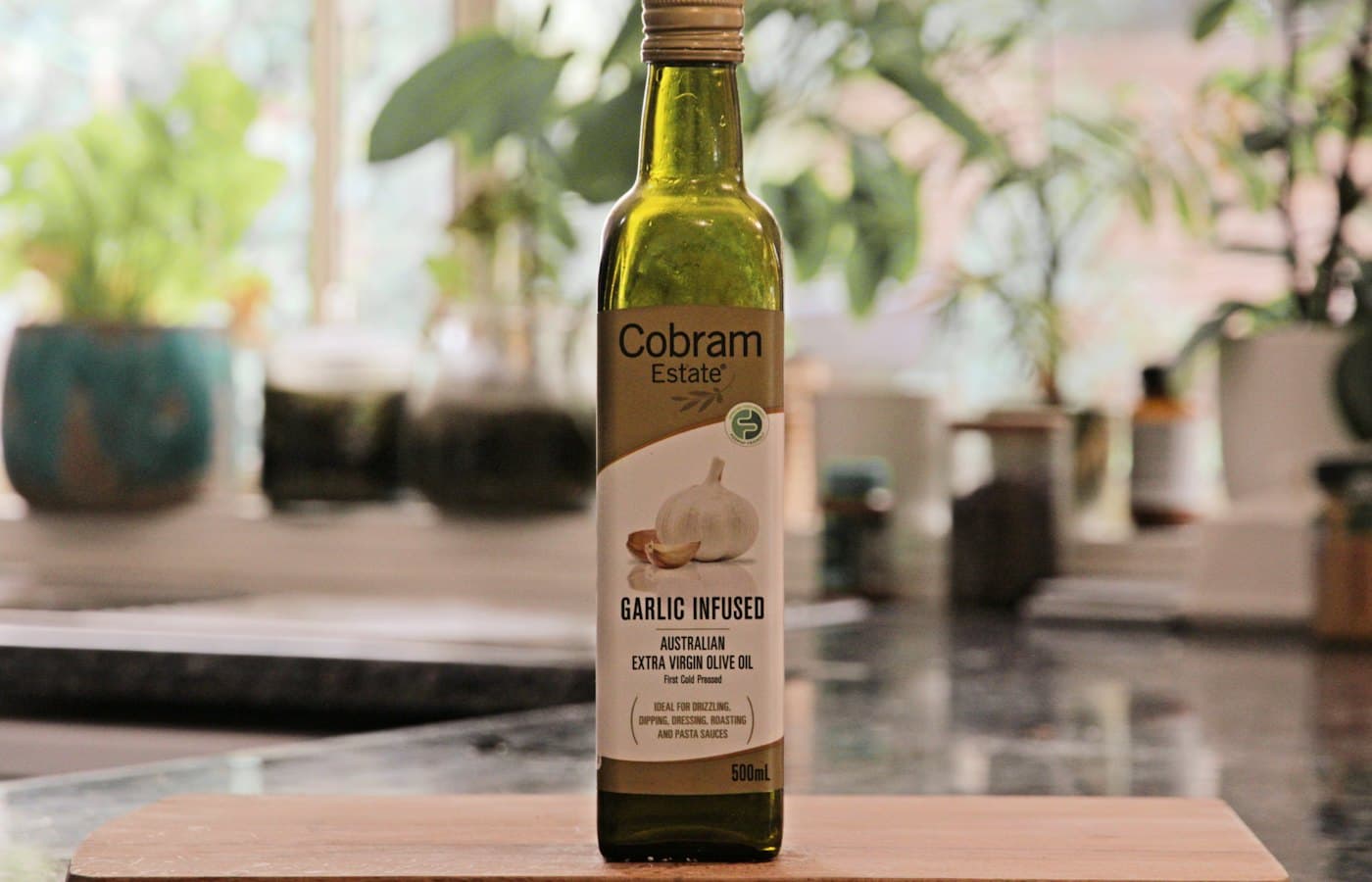 Food & PantryOrganic Cooking Oils & VinegarsWhat organic means on olive oil, coconut oil and vinegar, and why extra virgin and cold-pressed are separate claims.
 DrinksOrganic Wine"Organic wine" and "made with organic grapes" are two different legal labels. Each pick says which it is.
 Formula & FeedingOrganic Baby Food & PouchesUSDA Organic purees in jars and pouches, with an honest look at heavy metals and FDA Closer to Zero.
 Formula & FeedingOrganic Infant FormulaUSDA Organic infant formulas that also appear on the FDA's list of formulas marketed in the US.