Organic Pets
Natural Cat Litter
No cat litter is certified organic, and none of the litters here claims to be. "Natural" on a litter bag means the maker chose a plant material such as wood fiber, wheat or walnut shell in place of clay or silica. Compare them on the material, added fragrance and how honestly the disposal claims are worded.
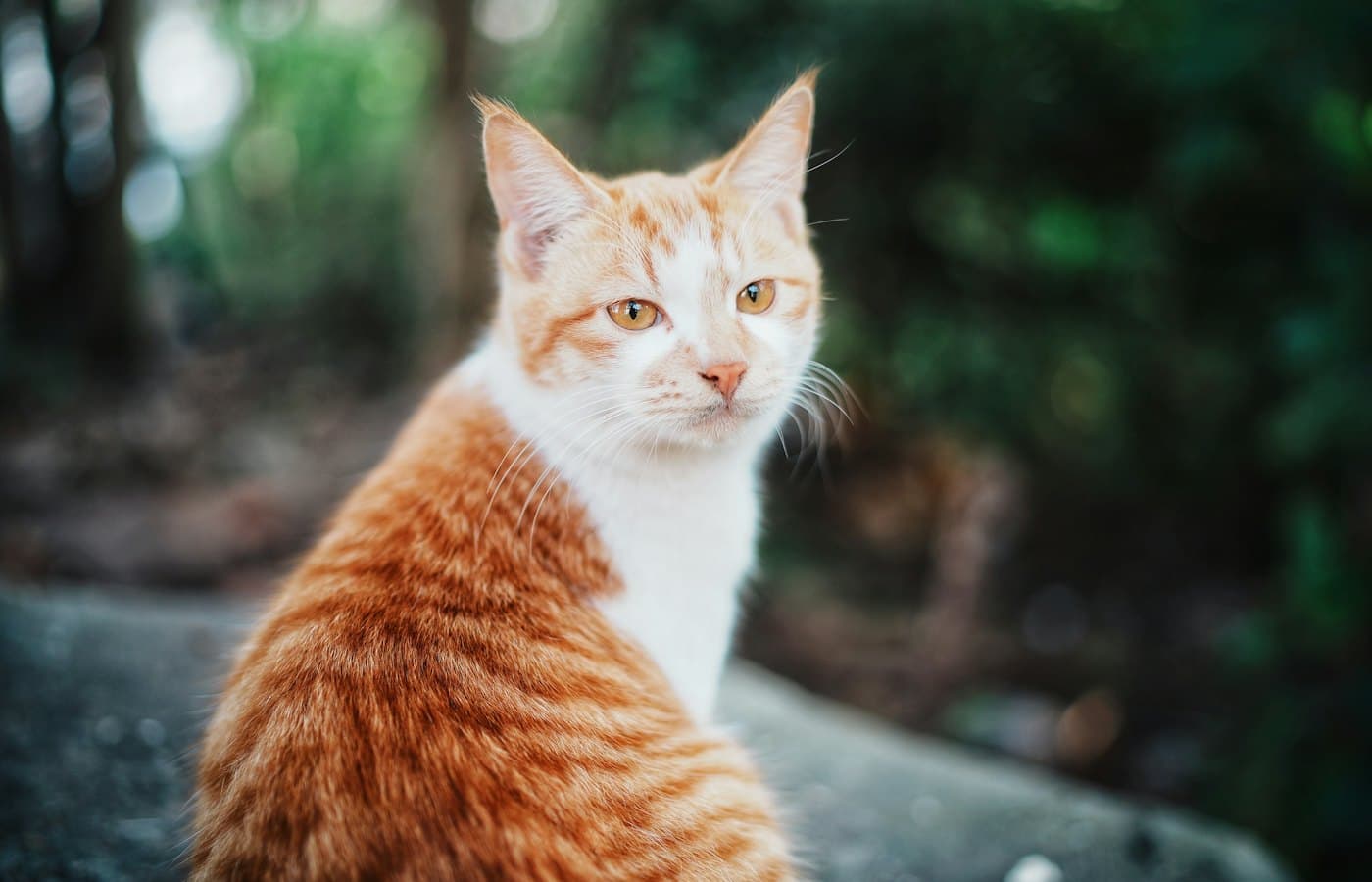
What organic means here
Nothing on this page carries an organic certification. Litters are listed because the maker names the base material on its own site and says whether fragrance or dye is added. USDA Organic is a standard for agricultural products sold as organic, and no litter page we read uses it. Each pick's caveat repeats that.
Look for
- The base material named: wood fiber, wheat, walnut shell, paper
- A plain statement on added fragrance and dyes
- Clumping or non-clumping, stated clearly
- Disposal instructions on the bag, including what not to do
Be wary of
- "Organic" or "organically" used as a general word, with no certification
- "Biodegradable" with no explanation of where and how fast
- "Flushable" with fine print that says not to flush
- "Natural" on a scented formula
Products that meet the standard
We have not tested these products. Each one was checked against the brand’s own page and the certifier’s records. Product links may be affiliate links: if you buy through one we may earn a commission, at no extra cost to you. How we choose.
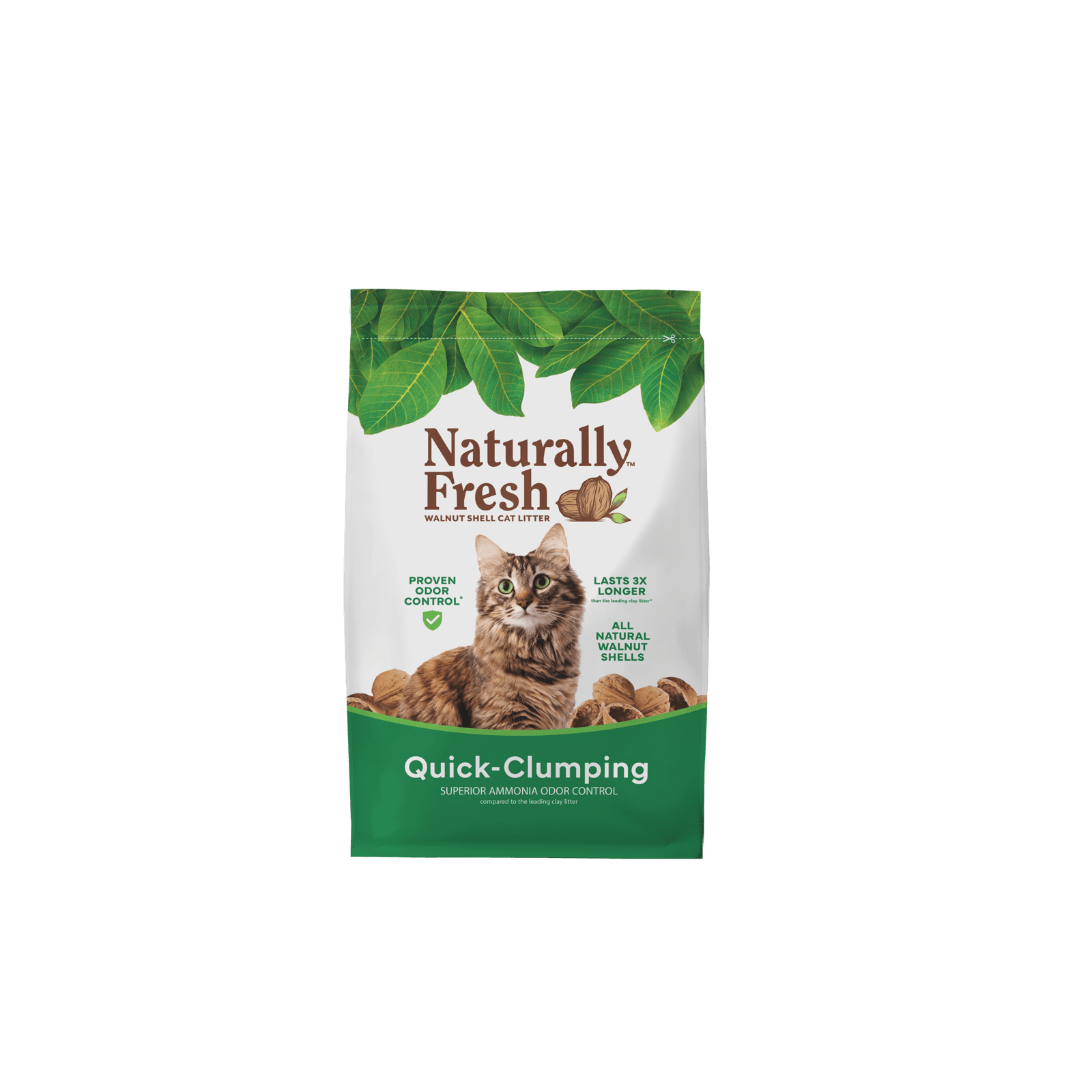
Photo: Naturally Fresh press kit 1Naturally FreshWalnut shell, no added perfumeQuick-Clumping Formula
A clumping litter made from walnut shell, aimed at homes with one or two cats. The maker says its litters neutralize odor without perfumes and contain no silica dust. A non-clumping pellet version and scented formulas are sold under the same name.
Good to know: No organic certification. The site says the litter "organically neutralizes odor", which is a figure of speech, not a certified claim. It is a tree nut product: if anyone at home has a nut allergy, ask their doctor first.
Checked against: naturallyfreshlitter.com · naturallyfreshlitter.com
View at brand sitenaturallyfreshlitter.com
- 2ökocatWood fiber, several textures
Original Premium Clumping Litter
The lead product in a line of clumping litters that the maker says is made entirely from reclaimed natural wood fiber, with no artificial fragrance, no dyes and no mined clay or silica. The range includes finer and pellet textures, plus a separate non-clumping paper litter.
Good to know: No organic certification, and none is claimed. The maker explains that öko is German for eco. "Sustainably sourced" and "biodegradable" are the maker's own claims, with no certifier named on the page.
Checked against: healthy-pet.com
View at ökocathealthy-pet.com
- 3sWheat ScoopOne ingredient, no perfume or dye
Original 100% Wheat Cat Litter
A clumping litter with a one-line ingredient list: the product page says "nothing but wheat", grown in the USA, with no dyes or perfumes added. The brand offers scented and multi-cat versions separately, so the Original is the plain one.
Good to know: No organic certification; the wheat is not described as organic. The page calls the clumps flushable and, lower down, asks buyers not to flush cat litter down toilets. Follow the bag and your local rules. It is a wheat product.
Checked against: swheatscoop.com · swheatscoop.com
View at brand siteswheatscoop.com
Products with a photo are shown first; otherwise the order says nothing about quality. Certifications can lapse: check the certifier’s database before you buy.
Why cat litter is not certified organic
USDA regulates the word organic as it applies to agricultural products, through the National Organic Program. Wheat and walnuts are crops, so a litter made from certified organic wheat is imaginable. None of the brand pages we read makes that claim. They describe their litters as natural, plant-based or sustainable.
Those words are not regulated the way organic is. The Federal Trade Commission's Green Guides, which cover environmental marketing, do not address the terms natural, organic or sustainable. So "natural litter" is a description of the base material and nothing more. Our guide to organic vs natural vs non-GMO explains the gap.
Plant-based litters compared
We have not handled any of these, and odor control and tracking claims on the makers' pages are their own. What you can verify from a label is the material, the additives and the instructions.
| Base material | As described by the maker | Worth knowing |
|---|---|---|
| Wood fiber | Reclaimed wood, clumping or pellet | Check whether a scent is added |
| Wheat | Ground wheat, clumping | A wheat product in the home |
| Walnut shell | Ground shell, clumping or pellet | A tree nut product in the home |
| Paper | Pellets, non-clumping | Sold by one maker here as dust free |
Reading "biodegradable" and "flushable"
The FTC's Green Guides say a marketer should not make an unqualified degradable claim for a solid waste product unless it can prove the item will completely break down and return to nature within one year of customary disposal. The FTC adds that items destined for landfills, incinerators or recycling facilities will not degrade within a year. If your scooped litter goes in the trash, read "biodegradable" on the bag with that in mind.
The Guides also caution against broad claims such as "eco-friendly" with no qualification. "Flushable" is a maker's claim too. One brand on this page uses the word and then asks buyers not to flush litter down toilets or tip it into gutters and storm drains. When a label argues with itself, follow the stricter line. More on vague green wording is in our guide to spotting greenwashing.
Litter box hygiene: what the CDC says
This applies to every litter, plant-based or clay. The material in the box does not change how the parasite behaves. If you are pregnant or have a weakened immune system, ask your doctor about litter box duty.
Questions people ask
Is there an organic cat litter?
We did not find one with an organic certification. USDA Organic applies to agricultural products sold as organic, and the plant-based litters we read about describe themselves as natural, not certified organic. If a litter uses the word organic, look for the USDA Organic seal and a certifier. Without those, treat it as a loose description of a plant-based material.
What does natural mean on cat litter?
It usually means the litter is made from a plant material, such as wood fiber, wheat or walnut shell, in place of clay or silica. The word has no fixed legal definition here; the FTC's Green Guides do not address it. A natural litter can still contain added scent, so check the label for fragrance and for anything else added to the base material.
Can I flush plant-based cat litter?
Do not rely on the word flushable alone. It is a maker's claim, and at least one brand that uses it also tells buyers not to flush litter down toilets or put it in storm drains. Plumbing, septic systems and local rules vary. Read the whole bag, including the small print, and check with your water utility if you are unsure.
Is plant-based litter safer for my cat?
We make no safety or health claims for any litter, and no certification on this page covers that. Cats differ, and some will refuse a new texture. If your cat has breathing problems, skin trouble or starts avoiding the box after a change, talk to your veterinarian. They can also advise on switching litters gradually.
How often should I change cat litter?
For hygiene, the CDC says to change the litter box daily, because the parasite that causes toxoplasmosis does not become infectious until 1 to 5 days after it is shed in a cat's feces. Each maker also gives its own directions for topping up and replacing the litter, printed on the bag. Follow both: daily scooping, and full changes as the bag directs.
Sources
Each page was opened and read on October 11, 2026.
Keep reading
 PetsOrganic Cat FoodFew cat foods are certified organic. Check for the USDA Organic seal, then for the AAFCO statement.
 PetsNatural Pet ToysPet toys cannot be certified organic. Judge them on named materials, honest claims and how they hold up to chewing.
 Cleaning & LaundryAll-Purpose CleanersOne USDA Organic spray, plus Safer Choice, EWG Verified and MADE SAFE picks, with what each seal covers.