Organic Clothing
Organic Cotton Underwear
Organic cotton underwear is only as organic as its paperwork. The claim to look for is GOTS certification of the finished garment, with a licence number you can look up, not only cotton that started out organic. Most pairs also contain a little elastane for stretch, which GOTS allows within set limits.
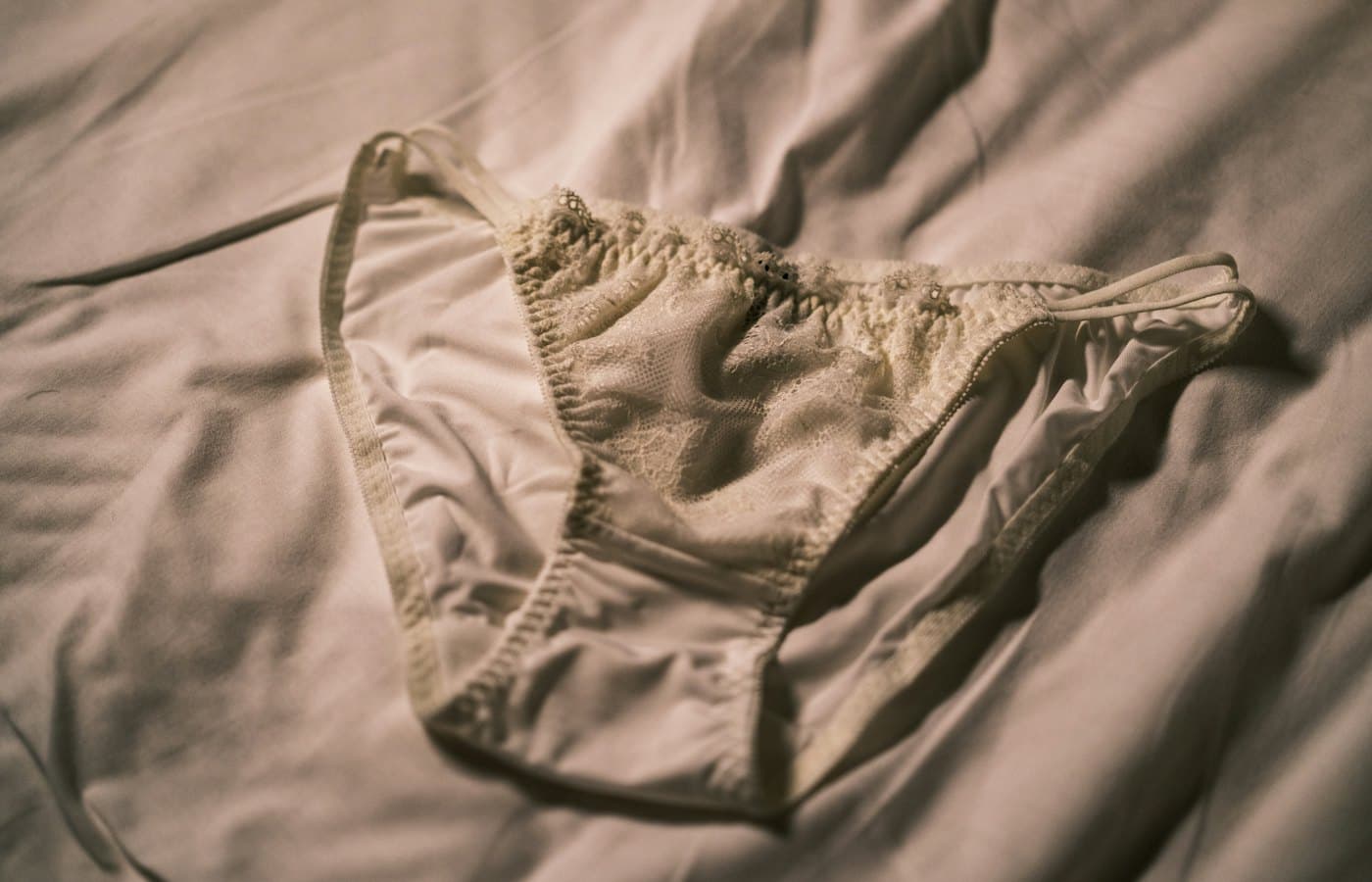
What organic means here
This page lists underwear from companies that appear in the GOTS public database as certified entities, with the GOTS claim confirmed on the brand's own site. The fiber blend comes from the brand page or the database entry. OEKO-TEX Standard 100 is noted where claimed, but it tests for harmful substances and does not mean organic.
Look for
- The GOTS logo with a label grade, the certifier's name and a certification number on the tag or package
- A fiber line that adds up, such as 95% organic cotton and 5% elastane
- The company's name in the GOTS public database, with underwear among its listed products
- What the waistband and leg elastic are made of, if you react to latex or synthetics
Be wary of
- "Made with GOTS cotton" and no certification number: GOTS says partial certification cannot be presented as product certification
- "100% organic cotton" in the headline and "exclusive of elastic" in the fine print
- OEKO-TEX Standard 100 offered as proof that the cotton is organic
- "Organic bamboo" underwear: the FTC says fabric made from bamboo is usually rayon and has to be labeled as rayon
Products that carry the certification
We have not tested these products. Each one was checked against the brand’s own page and the certifier’s records. Product links may be affiliate links: if you buy through one we may earn a commission, at no extra cost to you. How we choose.
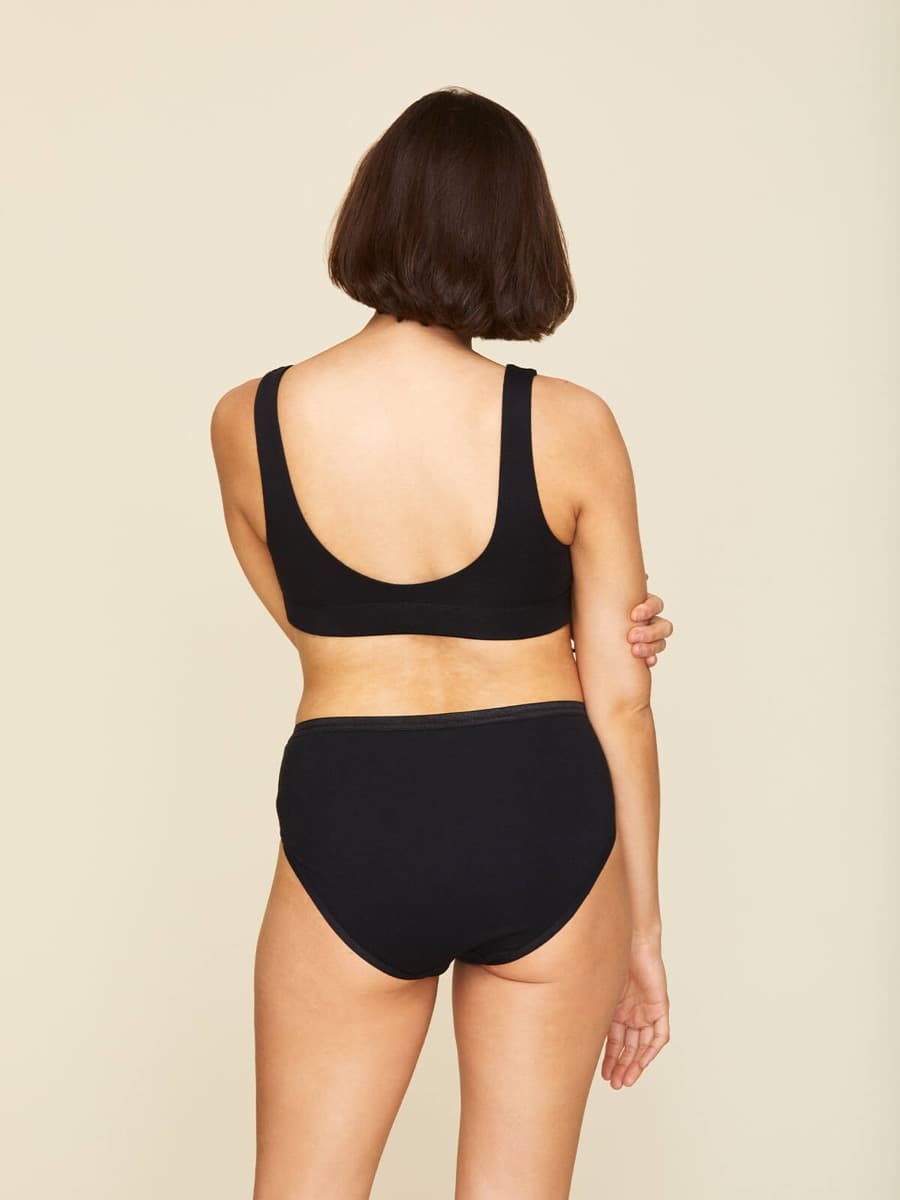
Photo: Subset 1SubsetFull coverage, mid riseOrganic Cotton Mid-Rise Brief
Subset, formerly Knickey, says its underwear is made from GOTS-certified fabric in factories that are GOTS and Fair Trade certified. The GOTS database lists 529 LLC dba Subset as a certified trader, with women's and men's undergarments at 95% organic cotton and 5% elastane.
Good to know: Contains elastane, so it is not all cotton. We found the blend in the database entry, not printed in the product description, so check the tag for the label grade and certification number.
Checked against: wearsubset.com · global-standards.org
View at Subsetwearsubset.com
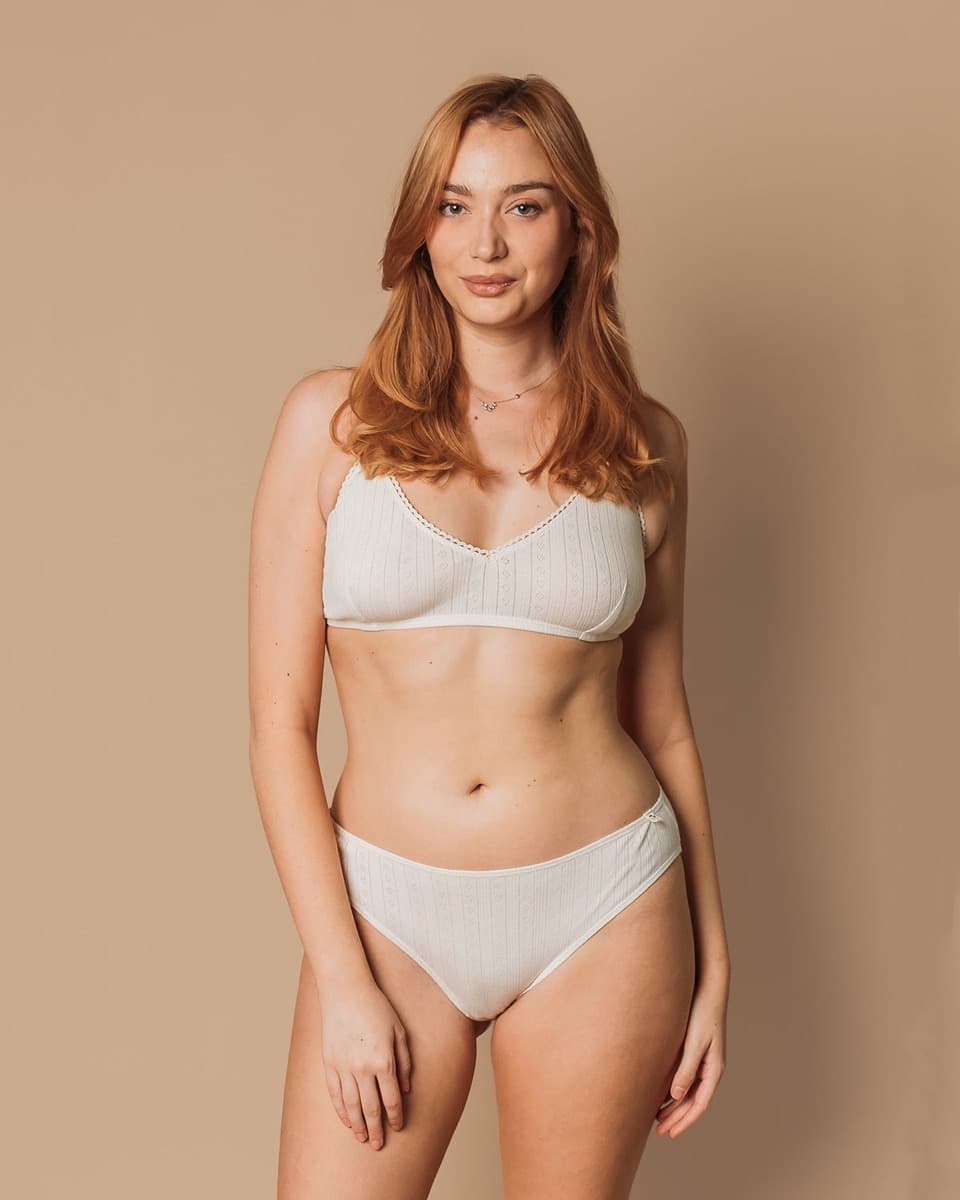
Photo: Q for Quinn 2Q for QuinnNo elastane in the fabricWomen's Pointelle French Cut Bikini - 100% Organic Cotton
The product page lists the certification as GOTS "Organic", Ecocert Greenlife 256894, the same licence number shown on the brand's certifications page and in the GOTS database. The fabric is 100% organic cotton pointelle, sewn in Tirupur, India, with organic cotton thread.
Good to know: The 100% figure excludes the waistband elastic, which the page says is 50% organic cotton and 50% natural rubber and is not suitable for people with latex allergies.
Checked against: qforquinn.com · qforquinn.com · global-standards.org
View at Q for Quinnqforquinn.com
- 3PactStretch blend, men's styles too
Everyday Classic Fit Bikini
- GOTS
- Fair Trade Certified
Pact's page describes this bikini as 95% GOTS-certified organic cotton and 5% elastane, made in a Fair Trade Certified factory. Wear Pact, LLC is listed in the GOTS database as a certified brand. The men's Everyday Boxer Brief page states the same blend.
Good to know: Contains 5% elastane. Fair Trade Certified applies to the factory, a separate program from GOTS. Blends vary by style, so read each product's fiber line.
Checked against: wearpact.com · global-standards.org
View at Pactwearpact.com
Products with a photo are shown first; otherwise the order says nothing about quality. Certifications can lapse: check the certifier’s database before you buy.
What GOTS certifies on a pair of underwear
The Global Organic Textile Standard follows fiber from the farm to the finished garment. GOTS has two label grades. "Organic" needs at least 95% certified organic fiber. "Made with organic materials" needs at least 70%. The standard also sets limits on processing chemicals and includes social criteria for the factories.
The part shoppers miss is the chain. GOTS says that for an end product to carry its label, every company that is part of the process must be certified. Certified fabric sewn in an uncertified factory is no longer a certified product, and GOTS does not allow a loose "GOTS cotton" claim.
Elastane, elastic and the fiber label
Most briefs and boxer briefs blend cotton with a few percent elastane so they hold their shape. GOTS permits that. Version 8.0 of the standard, released in 2026, allows up to 10% virgin synthetic fibers such as elastane in the fabric. Waistband elastic is handled separately, as an accessory.
US labeling rules work the same way. The FTC's guide to the Textile Act says elastic that is part of the base fabric can be left out of the fiber percentages when it covers no more than 20% of the surface, as long as the label says "exclusive of elastic". So a pair sold as 100% organic cotton can still have a rubber or synthetic waistband. If that matters to you, read the trim details.
How to check a GOTS claim yourself
- 1
Find the number
A GOTS label shows the logo, the label grade, a reference to the certification body and a certification number. Brands often repeat it on the product page or in the site footer.
- 2
Search the public database
The GOTS certified suppliers database accepts a company name or a certification number. Legal names can differ from brand names, so try both.
- 3
Read the product list
Each entry lists product categories and fiber blends. Check that underwear is there and that the blend matches the tag.
- 4
Check the date
Entries show how long the certificate is valid. An expired entry means you should ask the brand before you buy.
Where OEKO-TEX Standard 100 fits
OEKO-TEX Standard 100 tests every thread, button and accessory of a finished item for harmful substances. Items worn against the skin fall in its product class 2. It is a reasonable thing to want on underwear, and it can sit beside GOTS.
It is not an organic claim. Conventional cotton and synthetics can pass it. Our guide to GOTS vs OEKO-TEX sets the two side by side, and the organic socks page covers the same questions for blends with more stretch fiber.
Questions people ask
Is organic cotton underwear made of 100% cotton?
Sometimes the fabric is, but the garment rarely is. Stretch styles usually blend about 5% elastane into the cotton, and nearly all underwear has an elastic waistband. US labeling rules let a brand state the fabric content "exclusive of elastic". Look for the full fiber line and a description of the trim before assuming a pair is all cotton.
How do I know the underwear itself is GOTS certified, not only the cotton?
Look for a certification number next to the GOTS logo and search for it, or for the company name, in the GOTS public database. The entry lists the kinds of products the company is certified to sell. GOTS states that every company in the process must be certified for the end product to carry the label, and that partial certification cannot be presented as product certification.
Can underwear carry the USDA Organic seal?
Almost never. USDA policy says a textile can show the seal only if it is produced in full compliance with the National Organic Program rules, which contain no textile processing standards. Clothing certified to GOTS may be sold as organic in the United States, but it may not show the USDA seal or suggest that the USDA certified the finished product.
Is bamboo underwear organic?
Be careful with that claim. The FTC says that unless a product is made directly from bamboo fiber, it cannot be called bamboo. Soft bamboo fabrics are typically rayon, and the agency notes that rayon is usually made with toxic chemicals in a process that releases hazardous air pollutants. The label should read rayon, or rayon made from bamboo.
What if I am allergic to latex?
Read the elastic description, not only the fabric line. Some organic brands replace synthetic elastic with natural rubber, which is latex. One pick on this page states that its waistband is half natural rubber and not suitable for people with latex allergies. Ask your doctor if you are unsure how sensitive you are, and choose a style with a different elastic.
Sources
Each page was opened and read on October 11, 2026.
- Global Organic Textile Standard: GOTS Key Features
- Global Organic Textile Standard: Labelling
- Global Organic Textile Standard: Certified Suppliers Database
- Global Organic Textile Standard: GOTS Version 8.0 (PDF)
- USDA National Organic Program: Policy Memo 11-14, Labeling of Textiles That Contain Organic Ingredients
- FTC: Threading Your Way Through the Labeling Requirements Under the Textile and Wool Acts
- FTC: How to Avoid Bamboozling Your Customers
Keep reading
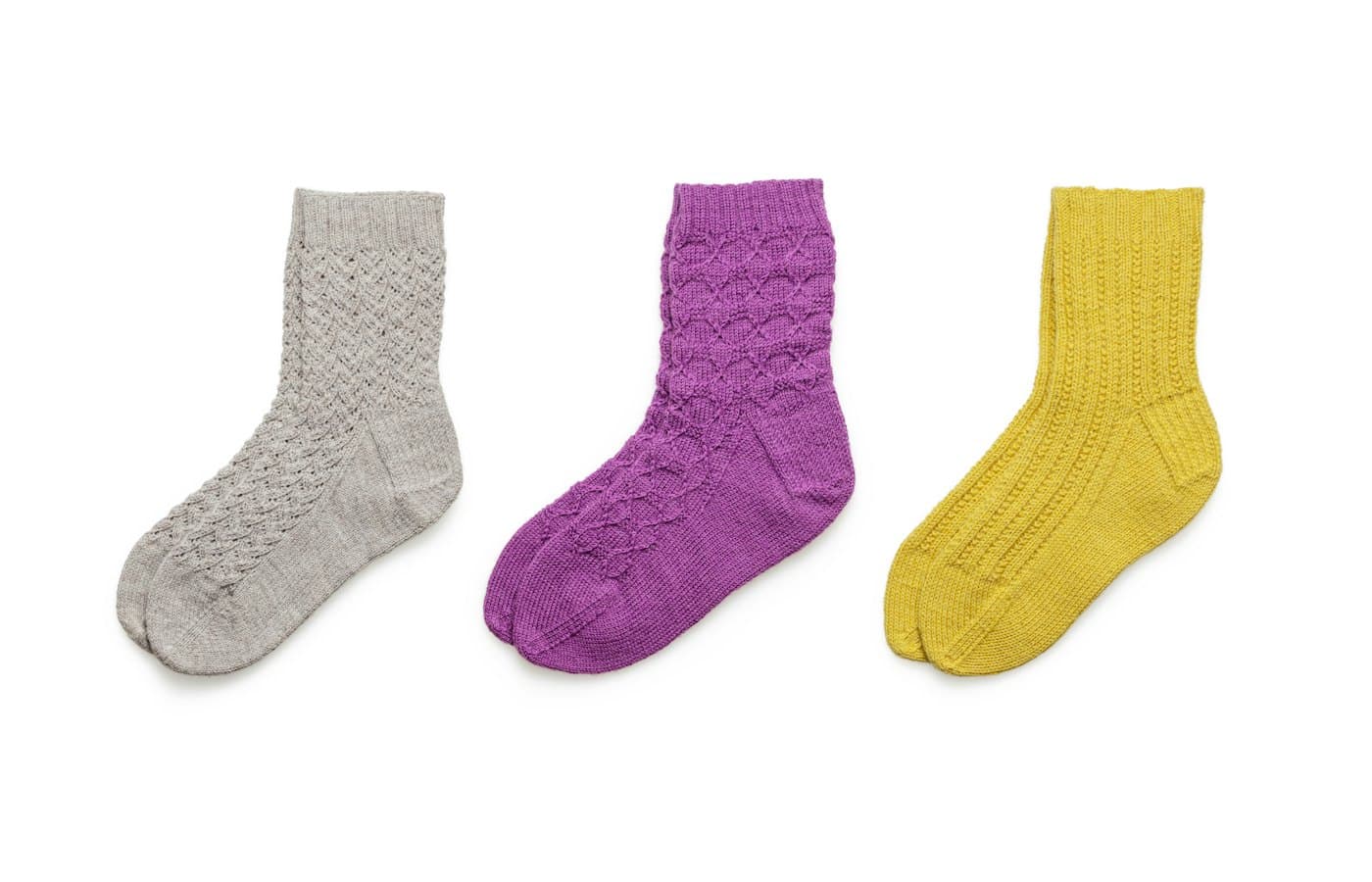 ClothingOrganic SocksSocks from GOTS certified companies, with every fiber in the blend listed, synthetic ones included.
 ClothingOrganic T-Shirts & BasicsPlain tees from GOTS certified companies, with the fiber content and certifier number checked.
 ClothingOrganic PajamasAdult pajamas from GOTS certified companies, with woven and stretch-knit blends stated.
 GuideGOTS vs OEKO-TEXGOTS certifies organic fiber and processing. OEKO-TEX Standard 100 tests the finished item for harmful substances.