Organic Clothing
Organic T-Shirts & Basics
A plain cotton tee is the easiest garment to find fully certified, because it needs no stretch fiber. Look for GOTS certification of the finished shirt with a number you can look up, and a fiber line that reads 100% organic cotton. "Made with organic cotton" on its own tells you very little.
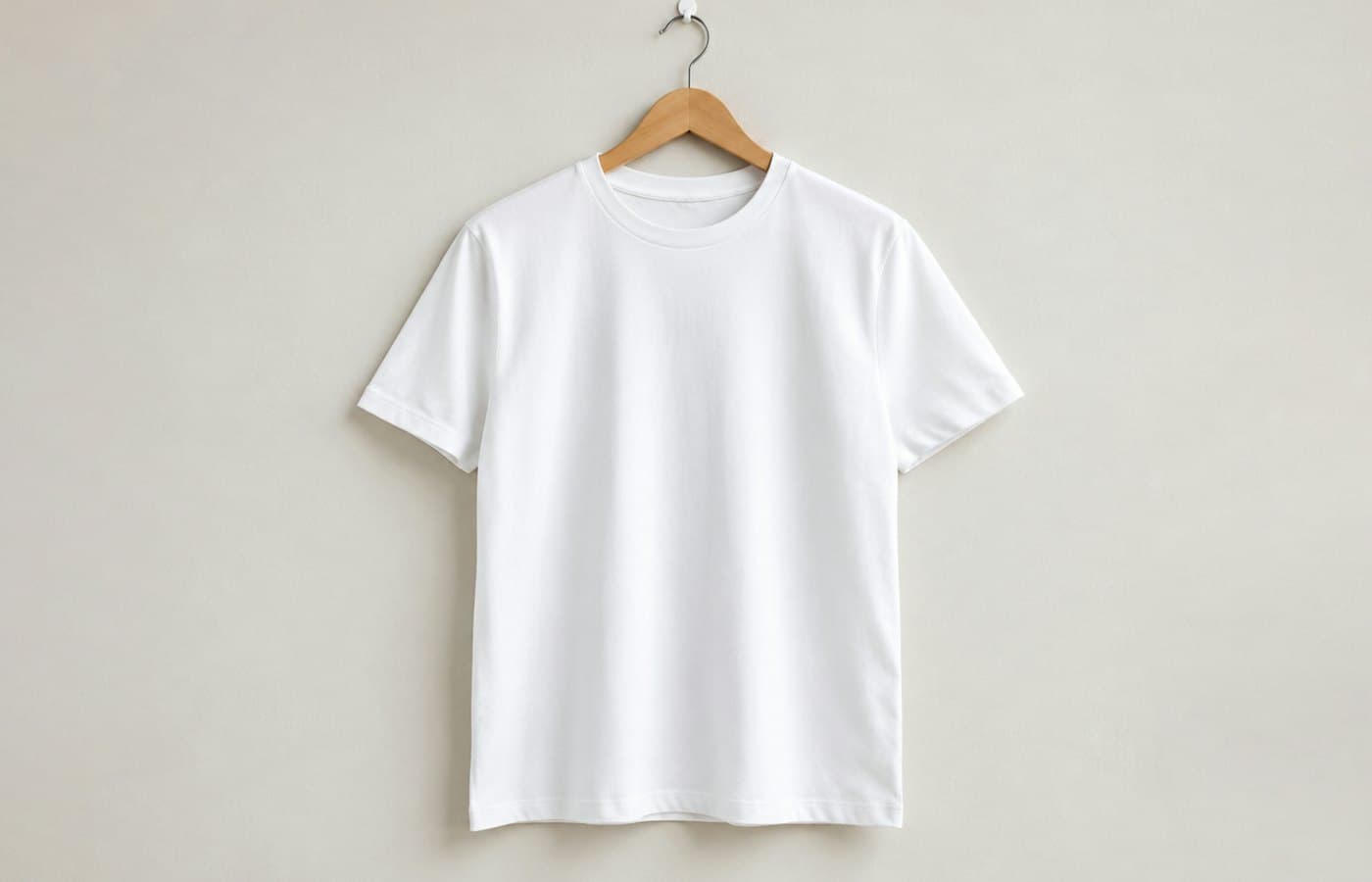
What organic means here
This page lists tees from companies that appear in the GOTS public database as certified entities, with the GOTS claim confirmed on the product page. Regenerative Organic Certified cotton is noted where a brand states it. A tee that only names organic cotton, with no certifier and no number, does not qualify.
Look for
- The GOTS logo with the label grade "organic", the certifier's name and a certification number
- A fiber line that reads 100% organic cotton, or a stated blend
- The seller's name in the GOTS public database, with t-shirts among its products
- A named certifier beside any other organic claim, such as Regenerative Organic Certified
Be wary of
- "Organic cotton tee" with no certifier, no number and no percentage
- "Eco-friendly" or "green" with nothing specific behind it: the FTC tells marketers not to make broad, unqualified claims like these
- A blank shirt that was certified, then printed or dyed by a shop that is not
- OEKO-TEX Standard 100 presented as an organic certification
Products that carry the certification
We have not tested these products. Each one was checked against the brand’s own page and the certifier’s records. Product links may be affiliate links: if you buy through one we may earn a commission, at no extra cost to you. How we choose.
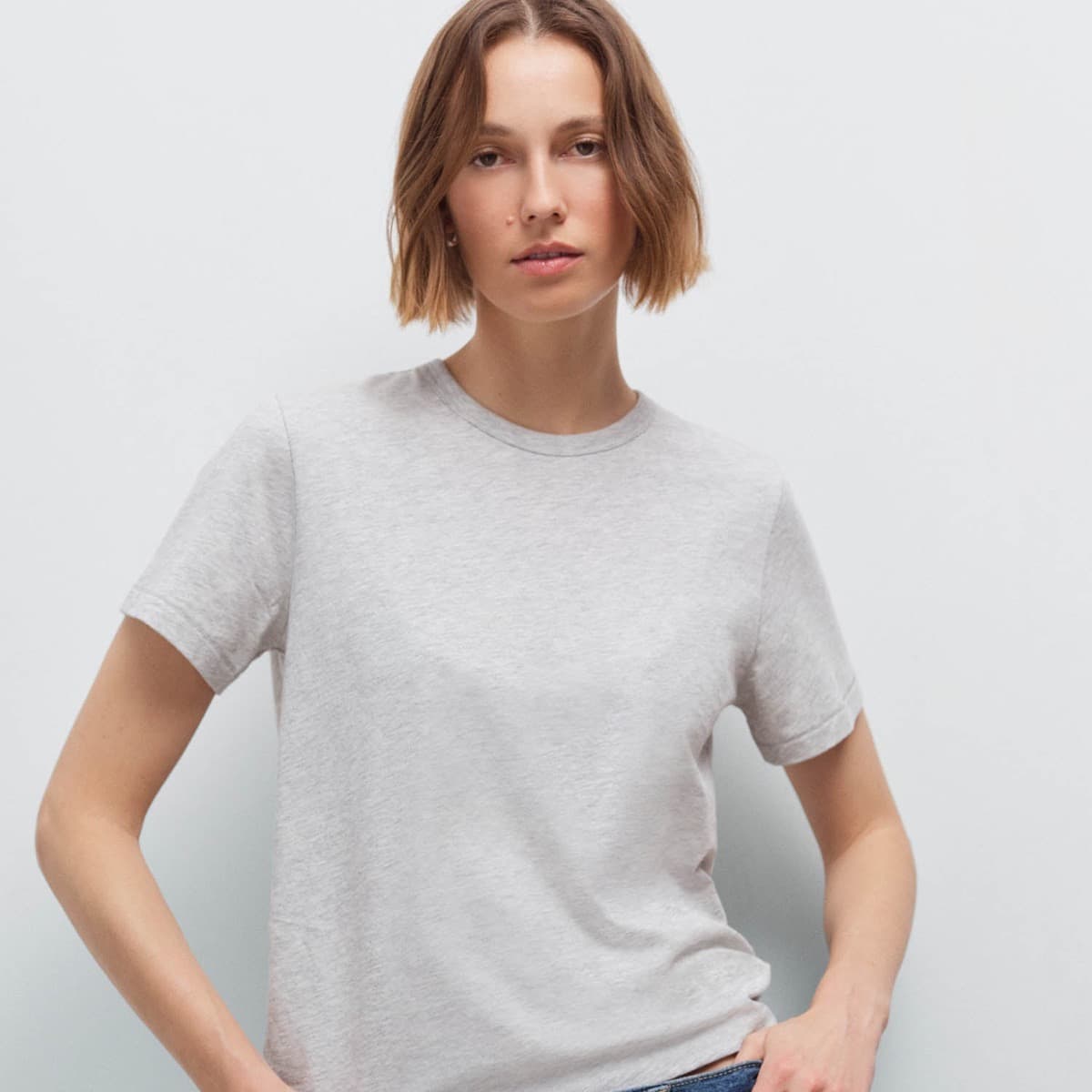
Photo: MATE the Label 1MATE the LabelLightweight Pima cottonOrganic Pima Classic Tee
- GOTS
- Regenerative Organic Certified
- Certified B Corporation
The product page lists 100% Regenerative Organic Certified Pima cotton in a lightweight 145 gsm knit and states "GOTS certified organic cotton by Control Union, #1245496". That number matches the certifier licence shown for MATE The Label in the GOTS database. The brand also states it is a Certified B Corp.
Good to know: B Corp is a company-level certification and says nothing about a single shirt. The link goes to one color; check that other colors carry the same details.
Checked against: matethelabel.com · global-standards.org
View at brand sitematethelabel.com
- 2PactAll cotton, no stretch fiber
Softspun Essential Crewneck Tee
- GOTS
- Fair Trade Certified
Pact's page describes this women's crewneck as 100% GOTS-certified organic cotton, made in a Fair Trade Certified factory. Wear Pact, LLC appears in the GOTS database as a certified brand, and its entry includes t-shirts at 100% organic cotton.
Good to know: Fair Trade Certified refers to the factory and is a separate program from GOTS. Other Pact tees are stretch blends, so read the fiber line on each style.
Checked against: wearpact.com · global-standards.org
View at Pactwearpact.com
- 3Maggie's OrganicsUnisex fit, undyed option
100% Regenerative Organic Certified Cotton Classic Crew Neck Tee
The page describes a unisex jersey tee in 100% Regenerative Organic Certified Bronze cotton and marks it GOTS Certified. Natural is the undyed color of the cotton. Maggie's Organics is listed in the GOTS database under Clean Clothes, Inc, with unisex and women's t-shirts in its entry.
Good to know: Bronze is the entry level of Regenerative Organic Certified. The page says the Teal and Natural colors are made in Peru and all others in India.
Checked against: maggiesorganics.com · global-standards.org
View at brand sitemaggiesorganics.com
Products with a photo are shown first; otherwise the order says nothing about quality. Certifications can lapse: check the certifier’s database before you buy.
Certified organic tee or tee made from organic cotton
These are different claims. The USDA regulates the word organic for raw fibers such as cotton, wool and flax, but its organic rules contain no processing standards for textiles. A tee can be sewn from certified organic cotton and then dyed and finished with no organic oversight at all.
GOTS closes that gap. It covers the processing stages as well as the fiber, restricts chemical inputs and adds social criteria for workers. A shirt labeled with the grade "organic" must contain at least 95% certified organic fiber. USDA policy lets GOTS clothing be sold as organic in the United States, without the USDA seal. Our guide on what organic means covers the rules for other product types.
How to read the tag and the product page
A complete GOTS label has four parts: the logo, the label grade, a reference to the certification body and a certification number. On a website, the number often sits in the fabric details or the footer. Type it, or the company name, into the GOTS certified suppliers database.
The fiber content is a separate legal requirement. The FTC says textile labels must identify fiber content, country of origin and the company responsible, with fibers listed by weight from most to least. A plain tee should read 100% organic cotton. Ribbed and fitted styles often add elastane.
What Regenerative Organic Certified adds
Two picks on this page name Regenerative Organic Certified cotton. The Regenerative Organic Alliance describes it as a certification for food, textiles and personal care ingredients, with standards for soil health, animal welfare and farmworker fairness. Its seal comes in Bronze, Silver and Gold levels.
It is a farm-level claim about how the cotton was grown. It does not replace a processing standard, which is why the brands above state GOTS as well.
Other labels you will see on basics
OEKO-TEX Standard 100 means the finished item was tested for harmful substances, including threads and buttons. It applies to conventional cotton and polyester too, so it is not evidence of organic farming.
Vague green wording deserves the most doubt. The FTC's Green Guides say marketers should not make broad, unqualified claims like "green" or "eco-friendly", and that a third-party seal does not remove the duty to back up a claim. Our guide to spotting greenwashing has more examples.
Questions people ask
Is a 100% organic cotton t-shirt automatically GOTS certified?
No. The fiber content and the certification are separate facts. A shirt can be made of certified organic cotton and still be dyed, finished and sewn in facilities that no standard has inspected. GOTS certification covers those processing steps too, and it requires every company in the chain to be certified before the finished shirt can carry the label.
Can a t-shirt have the USDA Organic seal?
Only if the whole product is made in full compliance with the USDA National Organic Program rules, which have no textile processing standards, so it is rare. USDA policy says GOTS certified textiles may be sold as organic in the United States but may not display the USDA seal or refer to National Organic Program certification.
What does the number next to the GOTS logo mean?
It identifies the certified company. GOTS labelling rules call for the logo, the label grade, a reference to the certification body and the certification number of the certified entity. You can search that number in the GOTS public database and see the company's name, country, certifier, product categories and how long its certificate is valid.
Are organic cotton tees pre-shrunk or treated with finishes?
It depends on the brand, and the organic claim does not tell you. GOTS restricts the chemical inputs that certified processors may use, but it does not promise any particular finish or fit. Read the product page for the fabric weight, any stated treatment and the care instructions, and follow the washing directions on the label.
Do men's and women's versions of the same tee share a certification?
Usually, but check. A company's GOTS database entry lists product categories such as men's apparel, women's apparel and unisex apparel, each with the fiber blends covered. If the men's version is a different blend, or was added after the last audit, it may not be in the entry yet. The product page should state the claim for each style.
Sources
Each page was opened and read on October 11, 2026.
- USDA National Organic Program: Policy Memo 11-14, Labeling of Textiles That Contain Organic Ingredients
- Global Organic Textile Standard: GOTS Key Features
- Global Organic Textile Standard: Labelling
- Global Organic Textile Standard: Certified Suppliers Database
- FTC: Threading Your Way Through the Labeling Requirements Under the Textile and Wool Acts
- FTC: Environmental Claims: Summary of the Green Guides
- Regenerative Organic Alliance: Regenerative Organic Certified
Keep reading
 ClothingOrganic Cotton UnderwearUnderwear from companies listed in the GOTS database, with the fiber blend and elastic stated.
 ClothingOrganic LoungewearSweatpants and joggers from GOTS certified companies, with the fiber blend and certifier number checked.
 Baby & Kids ClothingOrganic Kids ClothingKids clothes from GOTS certified brands, and how to check that the garment, not just the cotton, is certified.
 GuideHow to spot greenwashingVague green words, homemade seals and "free of" claims: what the FTC says about each, and a five-step label check.