Toys & Play
Wooden Toys: What the Labels Mean
No wooden toy is certified organic, because organic rules cover crops and textiles, not lumber. The useful things to check are where the wood came from (FSC is the label for that), what the finish is, and whether the maker shows safety testing to the US toy standard, ASTM F963.
What organic means here
Wood is not an organic crop under USDA rules, so an "organic wooden toy" claim has nothing behind it. This page accepts FSC certified wood where a maker has it, and otherwise lists toys for a named wood, a disclosed finish and published or stated third-party safety testing. Each pick says which of those applies.
Look for
- The FSC label, and which version it is: 100%, Mix or Recycled
- The wood named: maple, beech, basswood, rubberwood
- The finish named: unfinished, beeswax, plant oil, water-based paint
- A stated age grade, and a small parts warning where one applies
- Test reports or a Children's Product Certificate the maker will show you
Be wary of
- "Organic wood" or "organic toy" with no certifier and no explanation
- "Non-toxic paint" with no test standard named
- "Eco-friendly" or "sustainable wood" with no forest certification behind it
- Composite wood (MDF, plywood) described only as "wood"
Products that carry the certification
We have not tested these products. Each one was checked against the brand’s own page and the certifier’s records. Product links may be affiliate links: if you buy through one we may earn a commission, at no extra cost to you. How we choose.
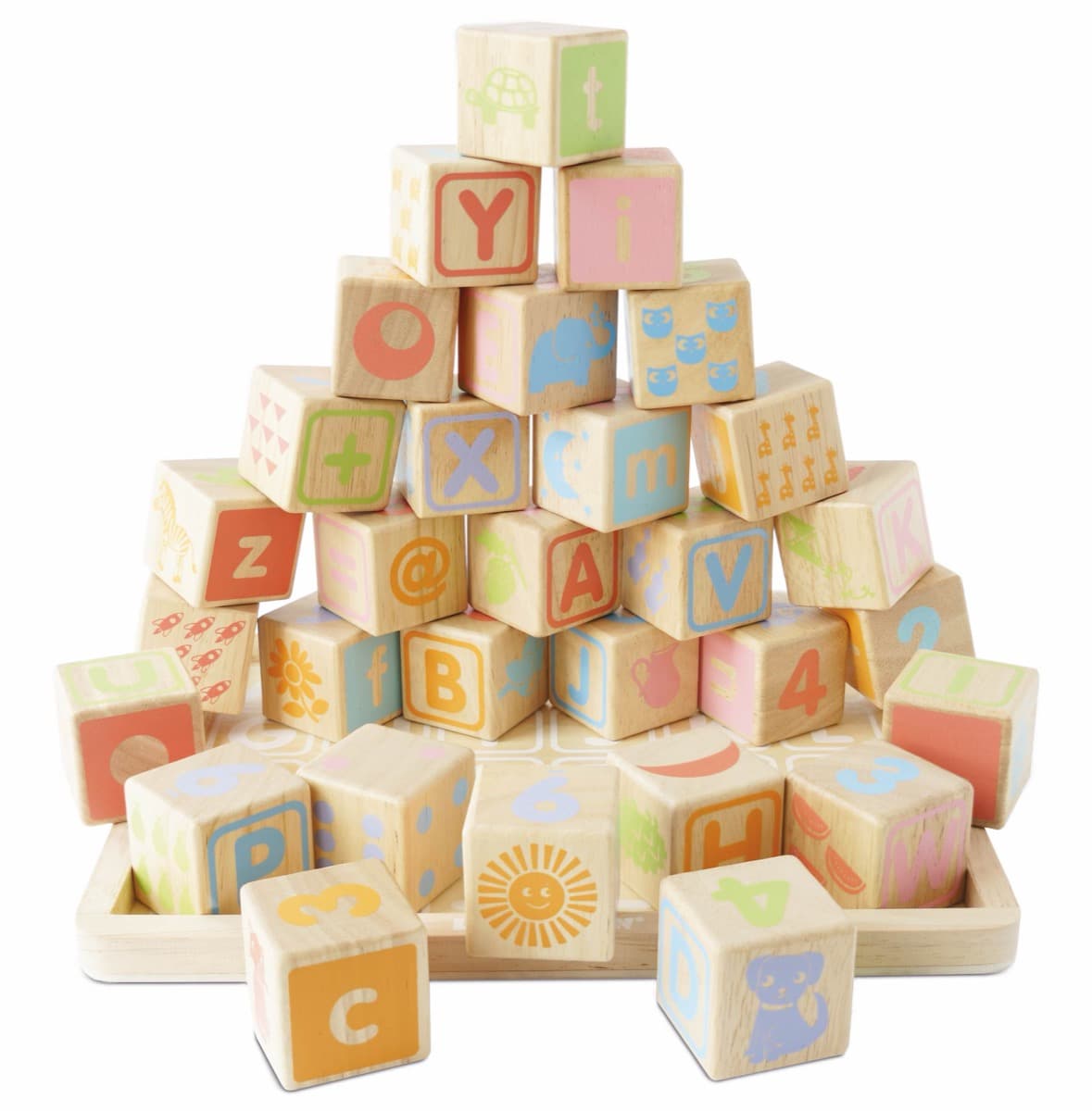
Photo: Le Toy Van 1Le Toy VanFSC-certified wood, ages 12 months and upABC Learning Blocks
- FSC
- Certified B Corporation
A 30-piece set of printed alphabet blocks in a wooden tray. The product page says the blocks are made of FSC-certified wood and decorated with water-based paints, and the brand's sustainability page says all of its collections use FSC-certified wood and that the company is B Corp certified.
Good to know: FSC covers how the wood was sourced, not the paint. The page describes the paint as water-based and non-toxic but does not name a test standard, so ask for the test report if that matters to you.
Checked against: letoyvan.com · letoyvan.com
View at Le Toy Vanletoyvan.com
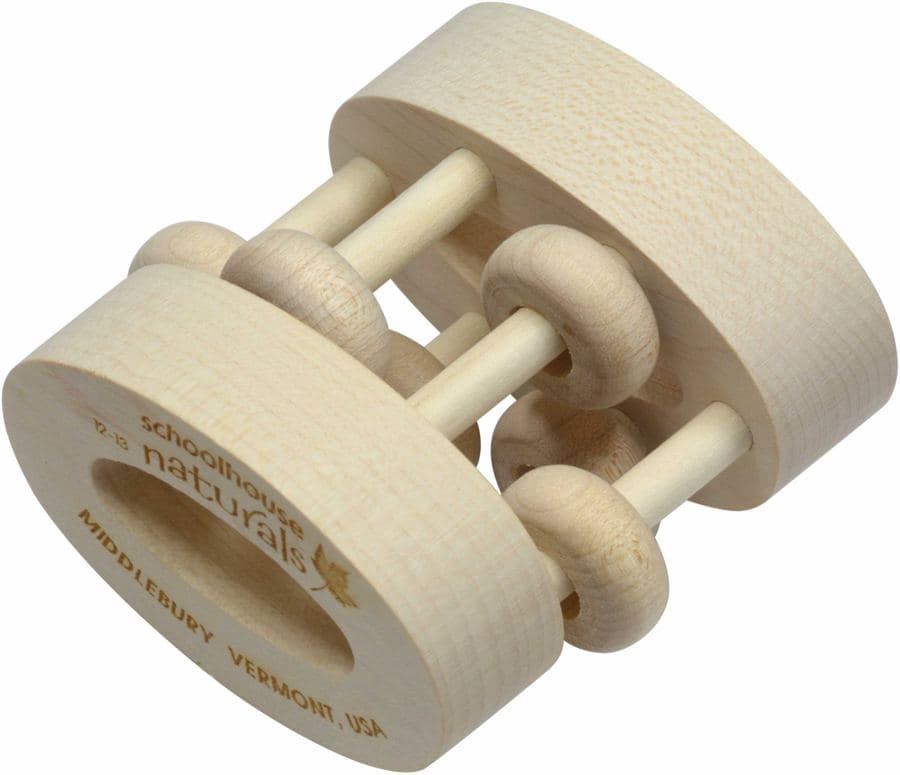
Photo: Maple Landmark press kit 2Maple LandmarkNo finish at allSchoolhouse Naturals
A line of unfinished wooden toys that the maker says is designed for children under 3: letter blocks, rattles, teethers and shape toys. Maple Landmark's safety page lists which finish goes on which product and says the Schoolhouse Naturals line has none.
Good to know: Carries no organic or forest certification. It is listed because the wood is left bare and the maker publishes its finish list and describes its third-party lead testing.
Checked against: maplelandmark.com · maplelandmark.com
View at brand sitemaplelandmark.com
- 3PlanToysTest reports linked on the product page
50 Unit Blocks
Fifty plain building blocks in 12 shapes, age graded 18 months and up. PlanToys says it makes toys from reclaimed rubberwood, kiln dried instead of chemically treated, with formaldehyde-free glue and water-based dyes. The product page links its ASTM and EN71 test reports.
Good to know: No organic or FSC certification is claimed on the pages we read. It is listed for its disclosed materials and because the safety test reports are published next to the product.
Checked against: plantoys.com · plantoys.com
View at PlanToysplantoys.com
- 4Uncle GooseBasswood blocks, ages 2 and up
Classic ABC Blocks
Twenty-eight printed alphabet cubes. Uncle Goose says the blocks are made from Midwestern basswood, that the wood is natural and uncoated, and that its inks are third-party tested. The maker grades the set for ages 2 and up.
Good to know: No organic or forest certification. Listed for the named wood, the uncoated surface and the maker's statement that its inks are tested by an outside lab.
Checked against: unclegoose.com · unclegoose.com
View at Uncle Gooseunclegoose.com
Products with a photo are shown first; otherwise the order says nothing about quality. Certifications can lapse: check the certifier’s database before you buy.
Why a wooden toy cannot be organic
In the United States, "organic" is a regulated word for farm products. Trees grown for lumber are not part of that system, so there is no organic seal a block or a puzzle can earn. A seller who calls a wooden toy organic is using the word loosely.
The closest real label is FSC, which is about forests. FSC explains three versions of its label: FSC 100% means all the material comes from FSC-certified forests, FSC Recycled means recycled material, and FSC Mix means a blend of certified, recycled and controlled wood. None of them says anything about paint, glue or safety testing.
If a toy mixes wood with fabric, the fabric is a separate question. That part can carry GOTS, which we cover on the stuffed animals and dolls page.
The safety rules every toy has to meet
Certification of the wood is optional. Toy safety is not. The CPSC says federal law made ASTM F963 a mandatory safety standard for children's toys, and that toys for children 12 and under must be tested by a CPSC-accepted lab and covered by a Children's Product Certificate. That applies to a hand-carved maple rattle the same as to a plastic truck.
Paint is covered too. CPSC bans paint and similar coatings with 0.009 percent or more lead by weight on children's products.
Finishes: what the words on the label tell you
Solid wood and composite wood are different materials. Plywood and MDF are held together with glue, so for those it is fair to ask what adhesive is used.
| Label says | What it tells you | What to ask |
|---|---|---|
| Unfinished | Bare wood, nothing applied | Which wood it is |
| Beeswax or plant oil | A wax or oil rubbed into the wood | The full ingredient list of the polish |
| Water-based paint or dye | The carrier is water, not solvent | Which test standard the color passed |
| Non-toxic | Nothing by itself | The test report or certificate |
How to check a claim yourself
- 1
Ask which FSC label applies
FSC 100%, FSC Mix and FSC Recycled mean different things. A brand that holds the certification can tell you which one is on the toy and name its certificate.
- 2
Ask for the Children's Product Certificate
Makers and importers of children's toys have to issue one. A brand that sells in the US should be able to send it.
- 3
Read the age grade
The age on the box reflects the small parts rules, not how clever your child is.
- 4
Compare the wording
Our guide to spotting greenwashing covers vague claims like eco-friendly and natural.
Questions people ask
Are wooden toys safer than plastic toys?
Not automatically. Every toy sold in the US for children 12 and under has to meet the same mandatory standard, ASTM F963, whatever it is made of. Wood avoids some questions that come with soft plastics, but it raises others: the paint, the glue in composite boards, and parts that can split or come loose. Judge the specific toy by its age grade, finish and testing.
What does FSC certified mean on a toy?
It means the wood, or the paper in the packaging, comes from sources that meet Forest Stewardship Council rules. The label has three versions: FSC 100%, FSC Mix and FSC Recycled. It is a forestry label only. It does not cover the paint, the finish, the glue or the safety testing of the finished toy. Our toys and play pages list it for what it is.
Is unfinished wood safe for a baby to chew?
Makers of unfinished toys leave the wood bare so there is no coating to wonder about, and several grade those toys for babies. What matters more is size and condition: the toy must have no small parts, and you should stop using it if it cracks or splinters. For teething in particular, see what the FDA and pediatricians say on our teethers page.
How do I clean wooden toys?
Follow the maker's care page, since finishes differ. Maple Landmark, one of the makers listed here, tells owners to wipe wooden items with warm soapy water and let them air dry, and not to soak them or put them in the dishwasher, because wood that absorbs water can crack and warp as it dries. It adds that unfinished and oiled pieces can be refreshed with a new coat of oil.
Do secondhand wooden toys meet current rules?
They may not. The federal limit on lead in paint for children's products and the mandatory toy standard apply to what is sold now, and the toy standard has been updated several times. An older painted toy has no certificate you can check. For a baby or toddler who still mouths everything, a toy with a current age grade and a maker you can contact is the more careful choice.
Sources
Each page was opened and read on October 11, 2026.
Keep reading
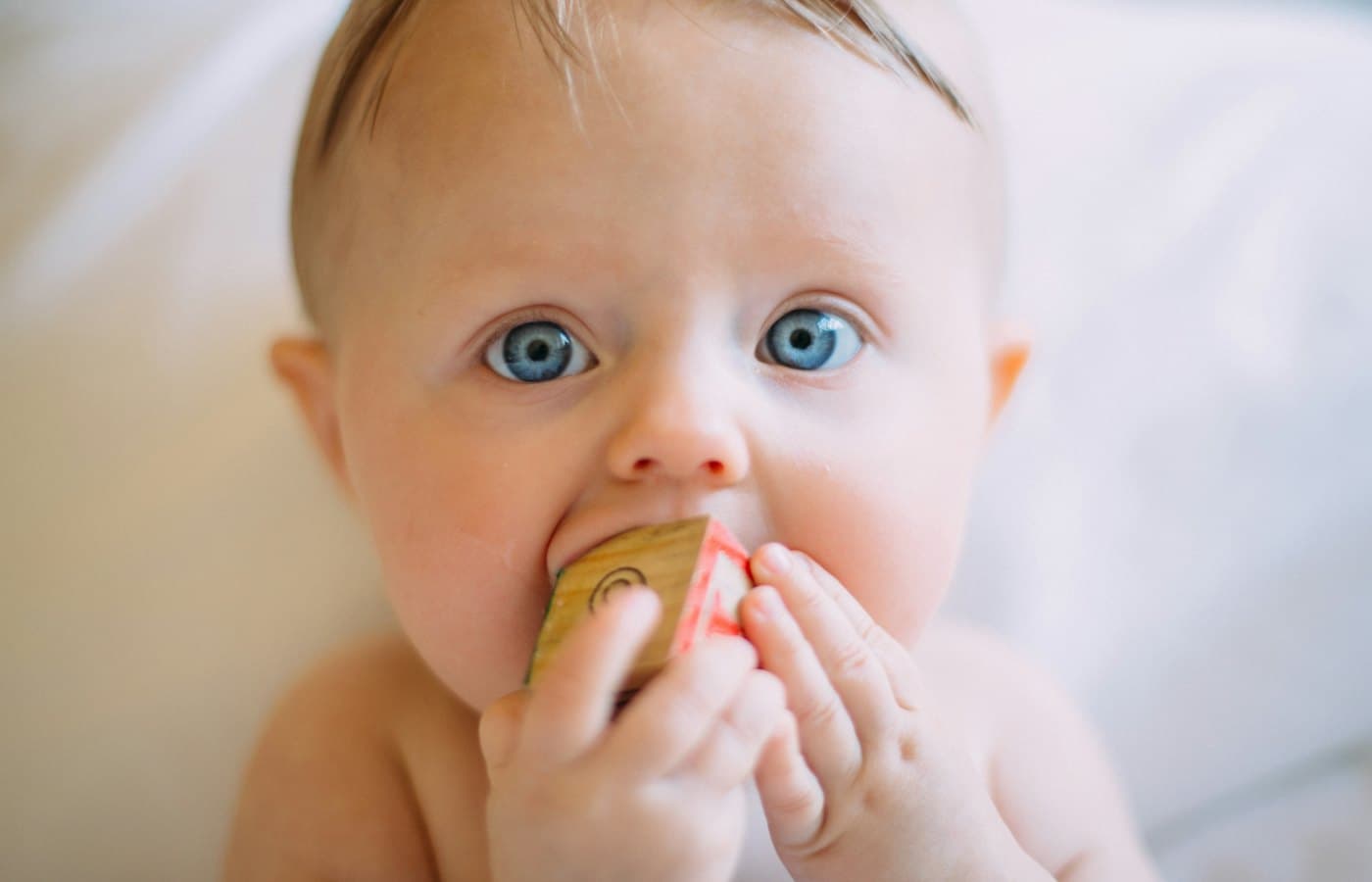 Toys & PlayNatural TeethersRubber, wood and cotton teethers: what the material claims mean, and the FDA warning on teething jewelry.
 Toys & PlayOrganic Stuffed Animals & DollsOrganic on a plush toy usually means the fabric. Check the stuffing, the certifier and the age grade.
 Nursery & SleepNon-Toxic Cribs & Nursery FurnitureCribs and dressers with GREENGUARD Gold emissions certification, stated wood and finishes, and the CPSC rules.