Toys & Play
Organic Stuffed Animals and Dolls
A stuffed animal is not certified organic as a toy. What can be certified is the textile in it: the cotton shell and, less often, the stuffing. Look for GOTS named for the fabric, find out what the filling is, and check the age grade, because eyes and buttons are small parts.
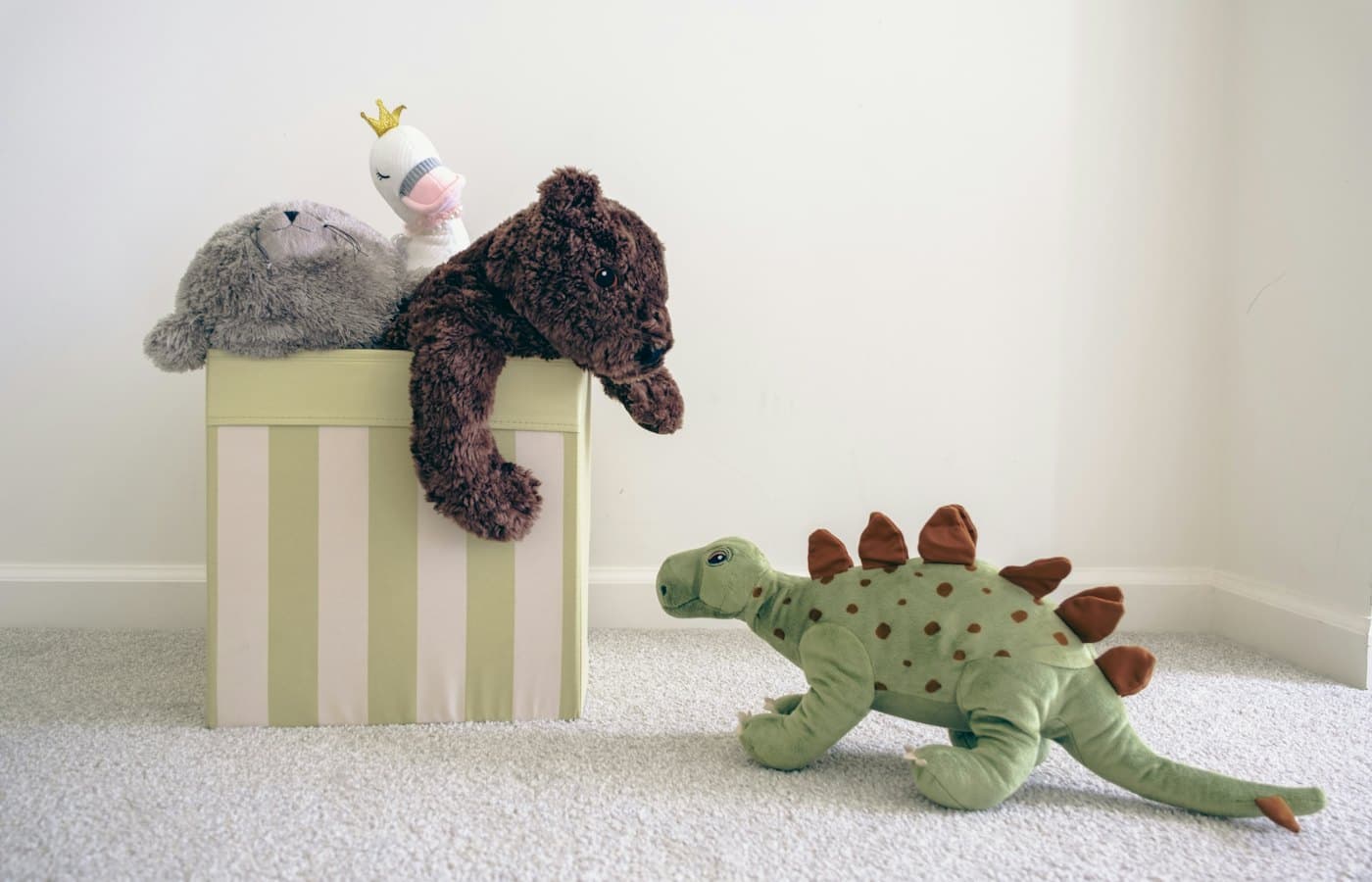
What organic means here
"Organic" on a plush toy is a claim about fibers. This page accepts GOTS certified organic cotton for the fabric and says, pick by pick, whether the stuffing is covered too. A toy with an organic shell and polyester filling can be listed, with a caveat that says so plainly.
Look for
- GOTS named for the fabric, with a certifier or licence number
- The stuffing named: organic cotton, wool, corn fiber or polyester
- Embroidered eyes and noses on toys for babies
- An age grade, and a statement that the toy meets US toy safety rules
Be wary of
- "Organic plush" where only the outer fabric is organic cotton
- "Made with organic cotton" with no certifier named
- Doll clothes with buttons or snaps given to a child under 3
- "Hypoallergenic" used as if it were a certification
Products that carry the certification
We have not tested these products. Each one was checked against the brand’s own page and the certifier’s records. Product links may be affiliate links: if you buy through one we may earn a commission, at no extra cost to you. How we choose.
- 1Under the NileOrganic cotton shell and stuffing
Artie the Polar Bear Stuffed Animal Toy
A brushed terry polar bear that the product page says is made and stuffed with organic Egyptian cotton, certified by GOTS, and suitable from birth. The brand's certifications page names its certifier, ICEA, and prints its licence number, which is the detail to look for.
Good to know: The GOTS claim covers the cotton textile. Toy safety is a separate matter: the page says the brand's toys are CPSIA compliant.
Checked against: underthenile.com · underthenile.com
View at brand siteunderthenile.com
- 2Finn + EmmaHand-knit, wool stuffing
Rattle Buddy
Small hand-knit animals with a rattle inside. Finn + Emma says its knit toys are made by a women's collective in Peru with GOTS certified organic cotton yarn and wool stuffing, and that the rattle insert is phthalate-free.
Good to know: The brand states GOTS for the yarn, not for the finished toy, and does not say the wool stuffing is certified. No certifier or licence number is shown on the pages we read.
Checked against: finnandemma.com · finnandemma.com
View at Finn + Emmafinnandemma.com
- 3Apple ParkWide range of animals
Organic Farm Buddies Plush
A large line of plush animals. Apple Park's FAQ says all of its plush items are made with GOTS certified organic cotton, dyed with azo-free dyes, and stuffed with a mix of organic cotton and corn fiber.
Good to know: The GOTS statement is about the cotton fabric. The filling is part corn fiber, which is not an organic textile, and no licence number is printed in the FAQ.
Checked against: appleparkkids.com · appleparkkids.com
View at Apple Parkappleparkkids.com
- 4Hazel VillageEmbroidered faces, no hard parts
Woodland Animals
Soft animal dolls with removable clothes. Hazel Village says the animals are made from organic cotton fleece with polyfill stuffing and embroidered faces, so there are no hard components, and that the undressed animals are suitable for all ages.
Good to know: No certification is named for the organic cotton, and the stuffing is polyester. Listed for its disclosed materials and clear age guidance: the brand recommends doll clothes with small buttons for ages 3 and up only.
Checked against: hazelvillage.com · hazelvillage.com
View at brand sitehazelvillage.com
Products with a photo are shown first; otherwise the order says nothing about quality. Certifications can lapse: check the certifier’s database before you buy.
What "organic" covers on a plush toy
A stuffed animal has at least three materials: the shell fabric, the stuffing and the thread or yarn. Many also have a rattle, a squeaker or crinkle paper inside. An organic claim almost always describes the shell.
GOTS is the textile standard to look for. Under its labelling rules, a GOTS product label must show the GOTS logo, the label grade, a reference to the certification body and the certification number of the certified company. The "organic" grade needs at least 95 percent certified organic fibers, and "made with organic materials" covers 70 to 94 percent.
Brands often write "made with GOTS certified organic cotton". That tells you about the fabric they bought. It is a narrower statement than a GOTS label on the finished toy, and it is worth knowing which one you are reading. Our guide to GOTS vs OEKO-TEX explains the difference between a label about how fiber was grown and one about residue testing.
Stuffing: the part nobody sees
None of these is a safety problem in itself. The point is accuracy: a toy with an organic cotton shell and polyester inside is partly organic by material, and the label should let you see that.
| Filling | What it is | Can it be organic? |
|---|---|---|
| Organic cotton | Cotton fiber, sometimes offcuts | Yes, as a certified fiber |
| Wool | Sheep's wool batting | Yes, if the brand says it is certified |
| Corn fiber (PLA) | A fiber made from plant starch | Ask what the claim rests on |
| Polyester (polyfill) | Synthetic fiber | No |
Safety rules for soft toys
Soft toys are toys under federal law. The CPSC says ASTM F963 is a mandatory safety standard for children's toys, and that toys for children 12 and under need third-party testing and a Children's Product Certificate.
The small parts ban applies to products for children under 3. Plastic eyes, buttons, bells and beads are the usual concern on dolls and plush, which is why toys for babies tend to have stitched faces. Check seams from time to time and retire a toy that is losing stuffing.
How to check a GOTS claim
- 1
Look for the four label elements
Logo, label grade, certification body and certification number. A sewn-in tag or hang tag with all four is a real GOTS label.
- 2
Ask what the claim covers
Fabric only, or fabric and stuffing. A brand that knows its supply chain can answer in one sentence.
- 3
Look the company up
GOTS keeps a public database of certified suppliers. Search for the brand or the number on the label.
Questions people ask
Can a stuffed animal be certified organic?
Not as a toy. Organic certification applies to fibers and textiles, so the cotton fabric, the yarn and sometimes the stuffing can be certified, usually under GOTS. Other parts, such as a rattle insert or a squeaker, cannot. A careful brand tells you which materials the claim covers. If the page just says "organic toy", ask what the shell and the filling are made of.
Is polyester stuffing a problem in an organic toy?
It is a labeling question more than a safety one. Polyester fill is a synthetic fiber, and several brands that sew organic cotton shells still choose it. It is not organic, though, so a toy with an organic cotton shell and polyfill inside should be described that way. If you want natural fiber all the way through, look for cotton or wool stuffing named on the product page.
When can my baby sleep with a stuffed animal?
The American Academy of Pediatrics advises keeping soft objects, including toys and blankets, out of the sleep area, and says its safe sleep recommendations apply to babies up to 1 year of age. Until then, soft toys are for play while your baby is awake and watched. Ask your pediatrician if you have questions about your own child.
What does GOTS certified organic cotton mean on a toy tag?
GOTS is a standard for organic textiles. A product with the "organic" label grade contains at least 95 percent certified organic fibers. A complete GOTS label shows the logo, the grade, the certification body and a certification number. When a brand says only that a toy is made with GOTS certified cotton, it is describing the fabric it sourced.
Are organic stuffed animals safer?
Organic certification is about how fiber is grown and processed. It is not a toy safety test. Every toy sold in the US for children 12 and under has to meet the mandatory toy standard, ASTM F963, whether or not it is organic. Look at both: the fiber claim for what the toy is made of, and the age grade and construction for safety. Our wooden toys page covers the same rules.
Sources
Each page was opened and read on October 11, 2026.
Keep reading
 Toys & PlayNatural TeethersRubber, wood and cotton teethers: what the material claims mean, and the FDA warning on teething jewelry.
 Nursery & SleepOrganic Baby BlanketsGOTS certified organic cotton baby blankets, for awake time only until after the first birthday.
 GiftsOrganic Baby Shower GiftsReady-made organic baby gift sets, with a note on which items in the box are certified.