Cleaning & Laundry
Dish Soap & Dishwasher Detergent
We did not find a dish soap or dishwasher detergent that carries the USDA Organic seal, so no pick here is certified organic. What you can check is ingredient screening: EPA Safer Choice, EWG Verified or MADE SAFE, plus a full ingredient list. These four picks each hold one of those and say what is inside.
What organic means here
Dish detergents are built on surfactants, enzymes and minerals, which are not farm products, so the USDA Organic seal is out of reach for most. This page accepts EPA Safer Choice, EWG Verified or MADE SAFE on the named product, with every ingredient listed. An organic oil inside a soap is noted as one ingredient, nothing more.
Look for
- Safer Choice, EWG Verified or MADE SAFE on the bottle, box or product page
- The product, scent included, in the certifier's own list
- Every ingredient named, including preservatives and what the pod film is made of
- A fragrance-free version if anyone at home is sensitive to scent
Be wary of
- "Made with organic oils" read as certified organic: it describes some ingredients
- "USDA Certified Biobased" read as USDA Organic: they are different programs
- "Antibacterial" on a dish soap that is not EPA registered
- "Plant-based" with no ingredient list to back it
Products that carry the certification
We have not tested these products. Each one was checked against the brand’s own page and the certifier’s records. Product links may be affiliate links: if you buy through one we may earn a commission, at no extra cost to you. How we choose.
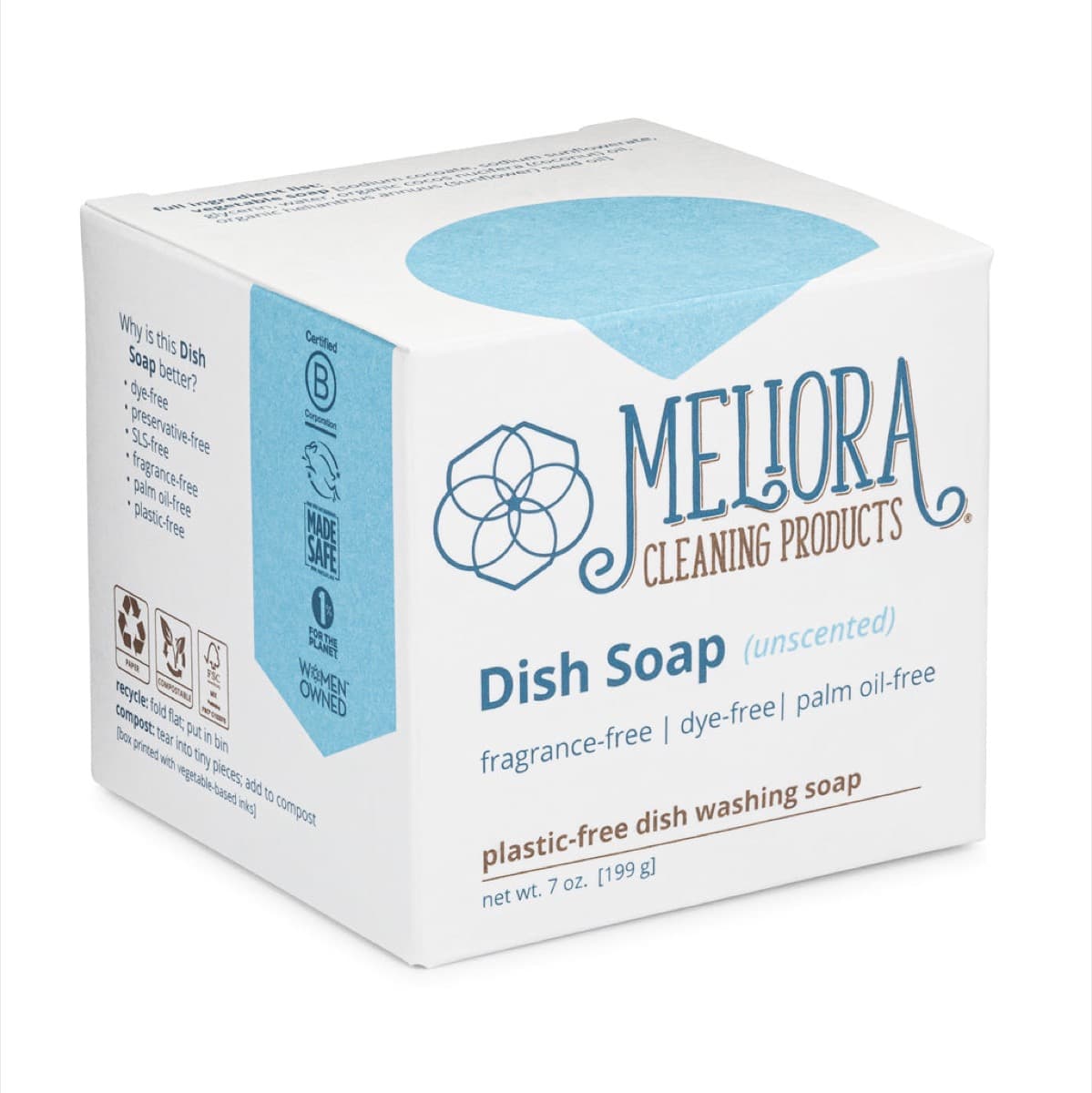
Photo: Meliora 1MelioraSolid bar, paperboard boxDish Soap Bar
- MADE SAFE
- Leaping Bunny
A solid bar for hand washing dishes. Meliora describes it as vegetable soap made with organic coconut and sunflower oils, says the bar is MADE SAFE Certified and Leaping Bunny certified, and sells it in a recyclable paperboard box or with no package at all. The MADE SAFE index lists the Dish Soap Bar.
Good to know: The oils are described as organic, but the bar itself is not certified organic and carries no USDA seal. It is true soap, which behaves differently from liquid detergent in hard water.
Checked against: meliorameansbetter.com · index.madeworks.com
View at Meliorameliorameansbetter.com
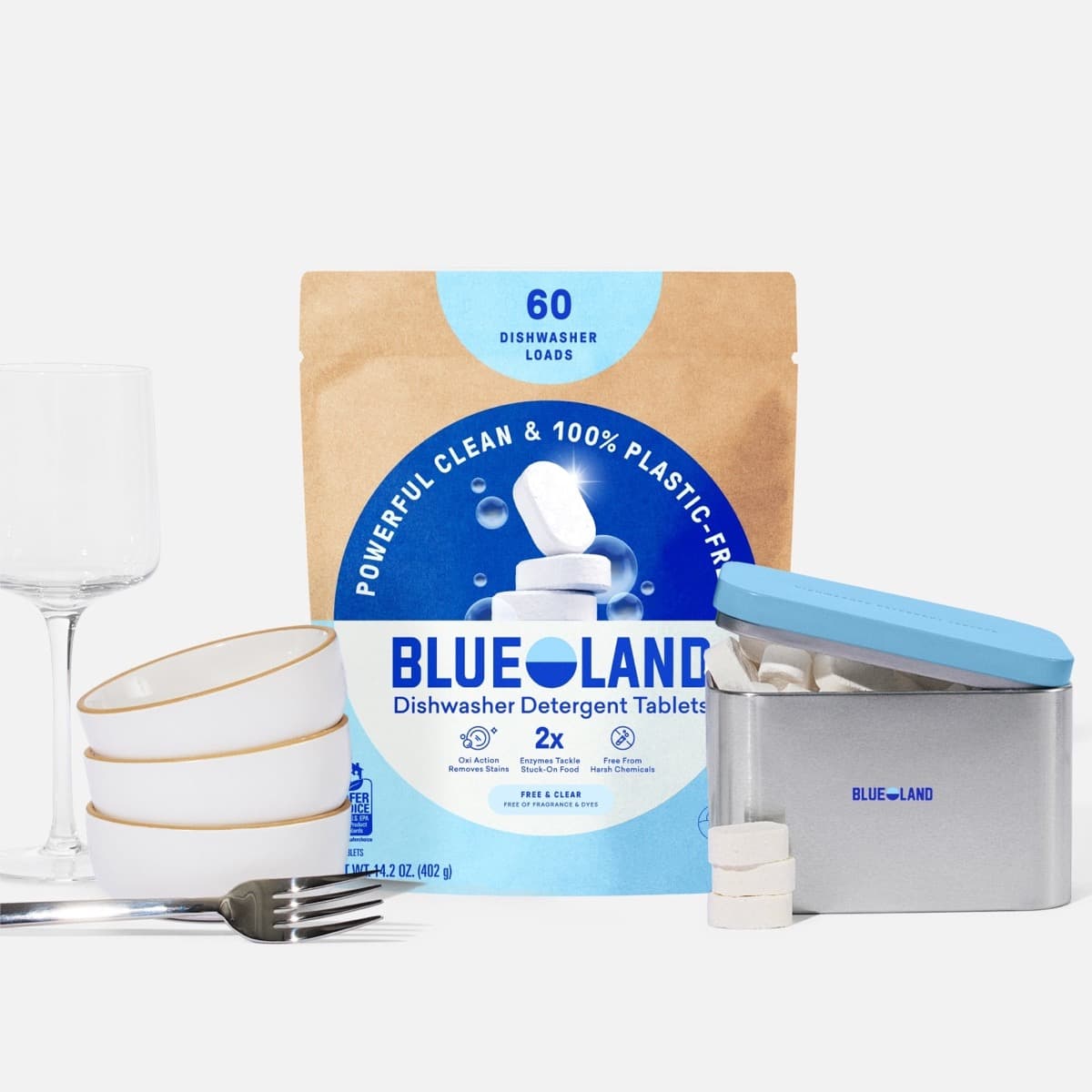
Photo: Blueland 2BluelandTablets with no film wrapDishwasher Detergent Starter Set
- EPA Safer Choice
- Cradle to Cradle Certified
- Leaping Bunny
Pressed dishwasher tablets sold with a refillable tin, in Fragrance-Free or Lemon Zest. Blueland states the formula is EPA Safer Choice, Cradle to Cradle Certified and Leaping Bunny certified, and made without PVA, dyes or phosphates. The EPA product search lists Blueland's dishwasher tablets, with the Free & Clear one marked fragrance free.
Good to know: No organic claim. Only the unscented tablet is marked fragrance free in the EPA list. Sold with an optional recurring refill plan.
Checked against: blueland.com · epa.gov
View at Bluelandblueland.com
- 3ECOSFragrance-free liquid
Dish Soap Free & Clear
- EPA Safer Choice
- Leaping Bunny
A liquid dish soap the brand says is Safer Choice certified by the EPA and Leaping Bunny certified. The EPA product search lists ECOS Dish Soap, Free & Clear and marks it fragrance free. The page gives the full ingredient list: water, coconut-derived surfactants, a water softener, citric acid and two preservatives.
Good to know: Not organic. The preservatives are phenoxyethanol and ethylhexylglycerin, which the brand lists by name. Scented versions of this soap are separate entries in the EPA list.
View at ECOSecos.com
- 4AspenCleanUnscented dishwasher pods
Dishwasher Pods
- EWG Verified
- ECOCERT
- Leaping Bunny
Unscented pods for automatic dishwashers. AspenClean states they are EWG Verified, ECOCERT certified and Leaping Bunny certified, and free from fragrance, dyes, chlorine and phosphates. The page lists every ingredient, including sodium citrate, sodium carbonate, sodium carbonate peroxide and two enzymes.
Good to know: Not organic. The pod film is listed as polyvinyl alcohol polymer, which the brand describes as water-soluble. Like any pod, keep it away from children.
Checked against: aspenclean.com · aspenclean.com
View at AspenCleanaspenclean.com
Products with a photo are shown first; otherwise the order says nothing about quality. Certifications can lapse: check the certifier’s database before you buy.
Why you will not find the USDA Organic seal here
The USDA regulates "organic" for agricultural products. To use the word and the seal, a product needs at least 95 percent organic ingredients, not counting water and salt, and a label approved by a USDA-accredited certifying agent. See our USDA Organic page for the tiers.
A dish detergent is mostly water, surfactants and, in dishwasher formulas, minerals and enzymes. Those are not crops. Among the brands we checked, none sells a dish soap or dishwasher detergent with the seal. A soap bar made with organic oils comes closest, and its maker still does not call the bar certified organic.
What each seal on a dish product checks
Words like "eco-friendly" and "green" are not seals. The FTC's Green Guides exist to keep environmental marketing claims from misleading shoppers. Our guide to spotting greenwashing has examples.
- EPA Safer Choice: the EPA reviews every chemical ingredient, whatever its percentage, and requires the product to perform comparably to conventional ones. It also sets pH standards meant to limit skin and eye irritation.
- EWG Verified: a private mark from the Environmental Working Group. On this page it is stated by the brand that carries it.
- MADE SAFE: a private certification that screens ingredients. Its public index lists each certified product by name.
- USDA Certified Biobased: a USDA label about how much of a product comes from renewable biological material. It is not an organic label.
Clean dishes are not disinfected dishes
The EPA says cleaning removes dirt and organic matter from surfaces using soap or detergents. That is the job of dish soap. Killing bacteria and viruses is a different claim, and products that make it are registered with the EPA as antimicrobial pesticides.
None of these picks is registered that way, and we make no germ-killing claims for them. If you sanitize with bleach after washing, the CDC's rule applies at the sink too: never mix bleach with ammonia or any other cleaner, dish soap included.
Pods, tablets and children
Single-dose detergent is concentrated. The American Academy of Pediatrics warns that laundry detergent packets can look like candy to a young child and can cause serious harm if bitten, and it suggests traditional detergent in homes with children age 6 or younger.
That warning is written about laundry packets, but the same storage habits make sense for dishwasher pods and tablets: keep them in the original container, closed, up high and out of sight. If a child gets detergent in the mouth or eyes, the AAP says to call Poison Help at 1-800-222-1222. For containers that go in the dishwasher, see plastic-free food storage.
Questions people ask
Is there a certified organic dish soap?
We did not find one with the USDA Organic seal among the brands we checked. Some soaps are made with organic oils, and the maker may say so on the label, but that describes ingredients. To call the whole product organic and use the seal, it would need at least 95 percent organic ingredients, not counting water and salt, and a certifier's approval.
What does EPA Safer Choice mean on dish soap?
It means the EPA reviewed every chemical ingredient in that product against its criteria for human health and the environment, that the product met pH standards meant to limit skin and eye irritation, and that it performed comparably to conventional products. The label is specific to a product and scent. You can search the exact name in the EPA's Safer Choice product list.
Is USDA Certified Biobased the same as organic?
No. The Certified Biobased label comes from the USDA BioPreferred Program and backs up a product's claim about its biobased content, meaning material from renewable biological sources. It does not look at whether those sources were farmed under organic rules. Several detergents carry it, and it is useful, but it is a different question from organic.
Does dish soap kill germs?
Plain dish soap is a cleaner. The EPA describes cleaning as removing dirt and organic matter with soap or detergent, and says products that kill bacteria and viruses on surfaces are registered as antimicrobial pesticides. None of the picks on this page is registered, so we make no such claim. The CDC says cleaning removes most germs from surfaces.
Are dishwasher pods wrapped in plastic?
Many pods use a film that dissolves in the wash, and careful brands tell you what it is. One pick on this page lists its film as polyvinyl alcohol polymer and describes it as water-soluble. Another sells pressed tablets and states they are made without PVA. If the film matters to you, look for it in the ingredient list.
Sources
Each page was opened and read on October 11, 2026.
- USDA Agricultural Marketing Service: Labeling Organic Products
- US EPA: Learn About the Safer Choice Label
- US EPA: What's the difference between products that disinfect, sanitize, and clean surfaces?
- CDC: How to Safely Clean and Sanitize with Bleach
- CDC: When and How to Clean and Disinfect Your Home
- USDA BioPreferred Program: About the Certified Biobased Product label
- HealthyChildren.org (American Academy of Pediatrics): Laundry Room and Detergent Safety
Keep reading
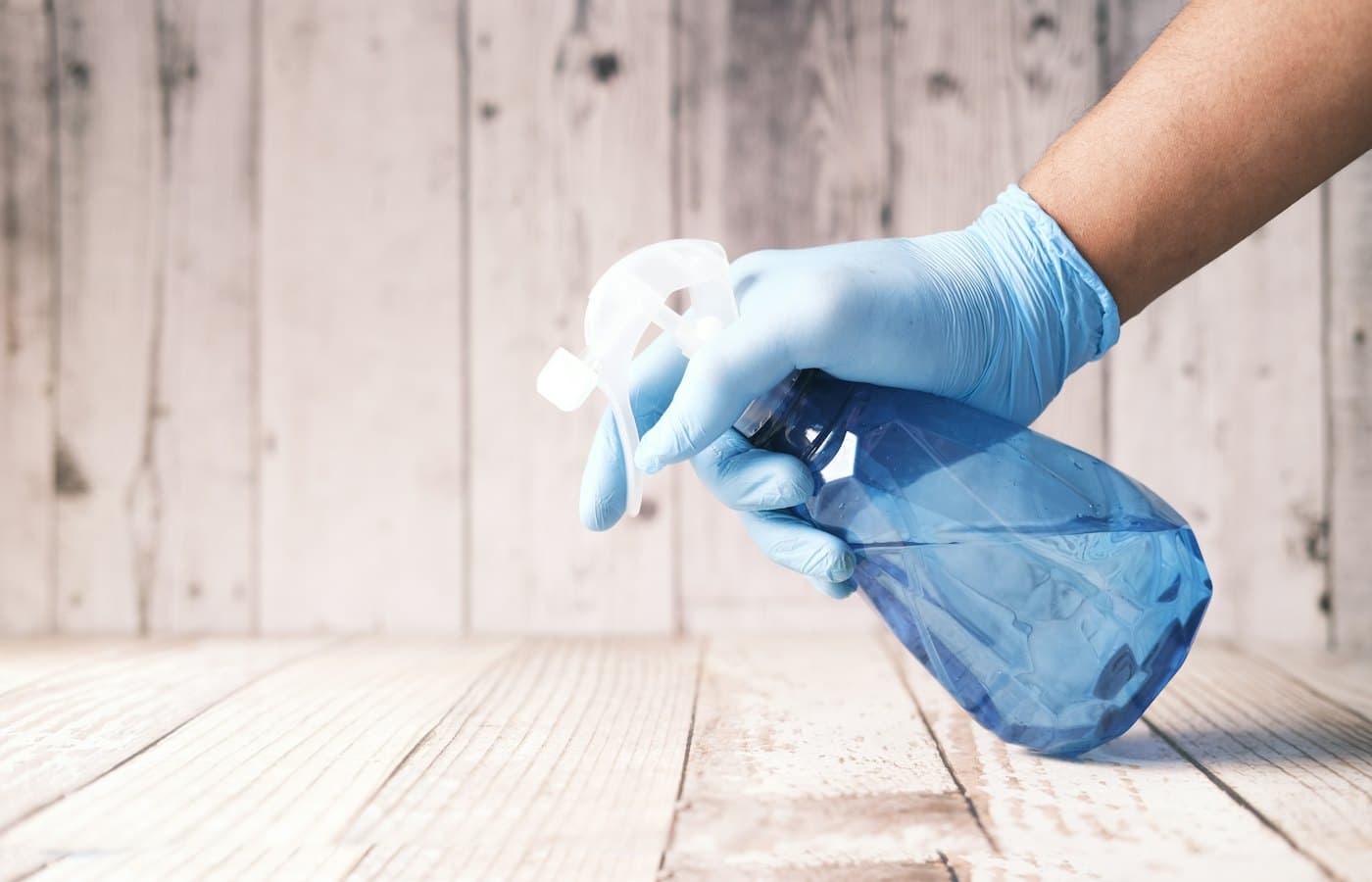 Cleaning & LaundryAll-Purpose CleanersOne USDA Organic spray, plus Safer Choice, EWG Verified and MADE SAFE picks, with what each seal covers.
 Home & KitchenPlastic-Free Food StorageGlass jars, stainless steel boxes and beeswax wraps, listed by material, with what the FDA and NIH say about BPA.
 Home & KitchenOrganic Kitchen Towels & LinensKitchen towels and cloths checked for GOTS or OEKO-TEX Standard 100 on the brand's own product page.
 GuideNon-toxic cleaning basicsA short list of cleaners covers most homes. What EPA Safer Choice means, when to disinfect, and what never to mix.